
Velopedia Bicycle Archive
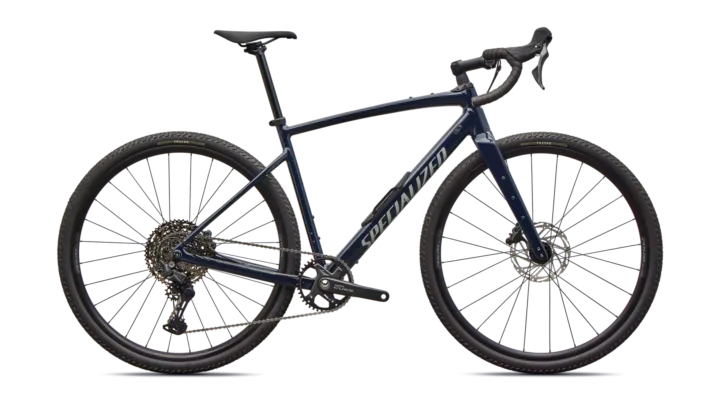
2026 Specialized Crux DSW Comp
Cyclocross/Gravel bicycle from the Velopedia specification archive.
- Original MSRP
- $2,799.99
- Sizes
- 49, 52, 54, 56, 58, 61
- Colors
- Emerald Metallic, Shadow Silver
- Weight
- 9.44 kg (20 lb, 13.0 oz)
- Geometry
- 6 manufacturer sizes · Ride analysis
- Archive ID
- 900001049
Current market
Snapshot not yet availableProtected live updateReady after page interactionAutomated crawlers do not trigger marketplace requests.
Move, scroll, tap or type to start the protected update.
Velopedia analysis
What the specifications mean
The 400% cassette range describes the available gearing more clearly than the component-group name alone. Hydraulic disc brakes shift routine service toward pad and rotor condition, fluid leaks and use of the correct bleed fluid. The rims and tires are tubeless-ready, but that label does not confirm the bike is currently set up without tubes; tape, valves, sealant and tire condition still matter.
Gearing
400% cassette range
Calculated from the published 11–44-tooth sprocket span.
Brake service
Hydraulic disc
Pad and rotor condition plus the correct bleed fluid are the primary service checks.
Tire setup
Tubeless-ready
The rims and tires may support tubeless use, but the bike may still be running tubes.
Frame material
Aluminum / alloy
Dents and cracking around welds, pivots and loaded junctions deserve attention.
Used-bike inspection
If you’re buying this bike used
Before any test ride: both brakes should stop the bike firmly and release cleanly; both wheels should run true and be securely attached; tires should have no casing damage; and the headset, handlebar, stem, cranks and pedals should have no looseness or play.
Follow the full used-bike inspection order →- FrameLook closely for dents and hairline cracks around welds, the head tube and bottom-bracket area. Cosmetic scratches matter less than a change in shape or a crack line.Inspect the frame and fork →
- BrakesBoth levers should feel firm and return cleanly. Check for fluid around the levers and calipers, inspect pad thickness and contamination, and look for worn or bent rotors.Inspect the brakes →
- DrivetrainShift through every gear under light load and measure chain wear. Confirm that the shifter, derailleur, chain and cassette belong to the same 12-speed system.Check drivetrain wear →
- Wheels & tiresSpin both wheels and watch the rims for side-to-side or vertical movement. Check for dents, cracks, loose or uneven spokes and hub play, then inspect both tire casings for cuts, cracking or exposed threads. If it is set up tubeless, confirm both tires hold pressure and ask when the sealant was last refreshed.Check wheels and tires →
- Bottom bracketTurn the cranks slowly, feel for rough bearings and check for side-to-side play. Creaking under load deserves investigation but does not identify the source by itself.Inspect the bottom bracket and shell →
Bike-specific inspection checklist 20 checks based on 5 archived component groups Open checklistClose checklist
This checklist uses the archived equipment for this bike. It cannot confirm the condition, service history or later component changes of the example in front of you.
Identity and fit
Follow the full used-bike inspection order →Archived: 2026 Specialized Crux DSW Comp · Cyclocross/Gravel · Published sizes: 49, 52, 54, 56, 58, 61
Frame and fork
Inspect the frame and fork →Archived: Frame: Specialized E5 Premium Aluminum Disc frame with D'Aluisio Smartweld Technology, hydroformed aluminum tubing, tapered head tube, threaded BB, UDH dropout · Fork: S-Works FACT Carbon, 12x100mm thru-axle, flat-mount disc · Carbon Fiber
Drivetrain
Check drivetrain wear →Archived: Shifters: SRAM Apex · Rear derailleur: SRAM Apex XPLR, mechanical, 12-speed · Crankset: SRAM Apex DUB Wide, 40t · Bottom bracket: SRAM DUB BSA 68 Wide · Cassette: SRAM APEX XPLR, 12sp, 11-44T · Chain: SRAM Apex D1
Brakes
Inspect the brakes →Archived: Brakes: (F) SRAM Apex, Hydraulic Disc / (R) SRAM Apex, Hydraulic Disc
Wheels and tires
Check wheels and tires →Archived: Front tire: Pathfinder 700x40, Tubeless Ready · Rear tire: Pathfinder 700x40, Tubeless Ready
Controls and contact points
Archived: Handlebar: Specialized Adventure Gear, 118.9mm drop x 70mm reach x 12º flare · Stem: Specialized, 3D-forged alloy, 4-bolt, 7-degree rise · Seatpost: Alloy, 2-bolt Clamp, 12mm offset, 27.2mm, anti-corrosion hardware · Saddle: Body Geometry Power Sport, steel rails
Before and during the test ride
Follow the full used-bike inspection order →Interpretation based on the archived manufacturer specifications. Confirm exact fit and standards before ordering parts or performing service.
Have you owned this bike?Help preserve its real-world history by sharing your owner experience.
Share the details that would help another rider understand how this model fits, rides and holds up over time. Velopedia reviews every contribution before publication.
Already contributed? Send me a fresh private edit link
For privacy, Velopedia shows the same confirmation whether or not an experience exists.
Frameset
| Frame Construction | Specialized E5 Premium Aluminum Disc frame with D'Aluisio Smartweld Technology, hydroformed aluminum tubing, tapered head tube, threaded BB, UDH dropout |
|---|---|
| Frame Material | Aluminum |
| Fork | S-Works FACT Carbon, 12x100mm thru-axle, flat-mount disc |
| Fork Material | Carbon Fiber |
Drivetrain
| Shifters | SRAM Apex |
|---|---|
| Rear Derailleur | SRAM Apex XPLR, mechanical, 12-speed |
| Crankset | SRAM Apex DUB Wide, 40t |
| Bottom Bracket | SRAM DUB BSA 68 Wide |
| Cassette | SRAM APEX XPLR, 12sp, 11-44T |
| Chain | SRAM Apex D1 |
Brakes
| Brakes | (F) SRAM Apex, Hydraulic Disc / (R) SRAM Apex, Hydraulic Disc |
|---|
Cockpit & Contact Points
| Handlebar | Specialized Adventure Gear, 118.9mm drop x 70mm reach x 12º flare |
|---|---|
| Stem | Specialized, 3D-forged alloy, 4-bolt, 7-degree rise |
| Saddle | Body Geometry Power Sport, steel rails |
| Seatpost | Alloy, 2-bolt Clamp, 12mm offset, 27.2mm, anti-corrosion hardware |
Wheels & Tires
| Wheels | (F) DT Swiss G540 rim, 24mm internal width, tubeless ready, 24h, Specialized full sealed bearing thru axle hub, centerlock disc, DT Swiss Champion 14G stainless steel spokes, DT Swiss brass nipples / (R) DT Swiss G540 rim, 24mm internal width, tubeless ready, 24h, Specialized full sealed bearing thru axle hub, centerlock disc, DT Swiss Champion 14G stainless steel spokes, DT Swiss brass nipples |
|---|---|
| Front Tire | Pathfinder 700x40, Tubeless Ready |
| Rear Tire | Pathfinder 700x40, Tubeless Ready |
Size-specific frame data
Geometry
Manufacturer-published geometry normalized for consistent archival comparison. Effective top tube and reach remain separate measurements because they describe different aspects of fit.
| Measurement | 49 | 52 | 54 | 56 | 58 | 61 |
|---|---|---|---|---|---|---|
| Seat tube | 466 mm | 496 mm | 521 mm | 546 mm | 576 mm | 606 mm |
| Effective top tube | 512 mm | 539 mm | 549 mm | 568 mm | 582 mm | 599 mm |
| Head tube | 100 mm | 115 mm | 130 mm | 147 mm | 167 mm | 190 mm |
| Head-tube angle | 70.5° | 71.25° | 71.5° | 72° | 72.25° | 72.5° |
| Seat-tube angle | 75.5° | 74° | 74° | 73.5° | 73.5° | 73.5° |
| Chainstay / rear center | 425 mm | 425 mm | 425 mm | 425 mm | 425 mm | 425 mm |
| Wheelbase | 1008 mm | 1014 mm | 1023 mm | 1033 mm | 1045 mm | 1059 mm |
| Bottom-bracket drop | 74 mm | 74 mm | 72 mm | 72 mm | 72 mm | 72 mm |
| Bottom-bracket height | 284 mm | 284 mm | 286 mm | 286 mm | 286 mm | 286 mm |
| Reach | 375 mm | 382 mm | 388 mm | 397 mm | 405 mm | 415 mm |
| Stack | 530 mm | 547 mm | 560 mm | 578 mm | 598 mm | 621 mm |
| Standover height | 749 mm | 772 mm | 794 mm | 816 mm | 841 mm | 866 mm |
| Fork offset / rake | 50 mm | 50 mm | 50 mm | 50 mm | 50 mm | 50 mm |
| Front center | 594 mm | 600 mm | 608 mm | 618 mm | 630 mm | 644 mm |
| Trail | 74 mm | 69 mm | 67 mm | 64 mm | 62 mm | 60 mm |
| Fork length / axle-to-crown | 401 mm | 401 mm | 401 mm | 401 mm | 401 mm | 401 mm |
| Crank length | 165 mm | 170 mm | 172.5 mm | 172.5 mm | 175 mm | 175 mm |
| Stem length | 70 mm | 80 mm | 90 mm | 100 mm | 110 mm | 110 mm |
| Handlebar width | 380 mm | 400 mm | 420 mm | 420 mm | 440 mm | 440 mm |
Geometry source: Manufacturer HTML geometry table ↗ Measurements can vary by configuration, wheel size, or flip-chip position where noted by the manufacturer.
Geometry interpretation
What this geometry means
49 geometry
Riding position
The 375 mm reach and 530 mm stack create a relatively long, low gravel position, favoring a more performance-oriented posture over a distinctly upright one. A 75.5° seat angle puts the rider relatively forward over the bottom bracket, shortening the effective seated reach compared with a more relaxed seat angle.
Handling tendencies
A 70.5° head angle combined with a 1008 mm wheelbase points to moderate and balanced steering and chassis behavior. The longer the chassis and slacker the front end, the more the bike tends to favor composure over very quick direction changes. A 74 mm bottom-bracket drop places the rider relatively low between the wheels, which can add a settled cornering feel while reducing pedal clearance compared with a higher bottom bracket.
Archive context
The seat angle of 75.5° sits toward the steeper end. Its stack of 530 mm sits toward the lower end. Its wheelbase of 1008 mm sits toward the shorter end.
52 geometry
Riding position
A 382 mm reach and 547 mm stack give this size a middle-ground gravel proportion: neither especially stretched and low nor unusually upright.
Handling tendencies
A 71.3° head angle combined with a 1014 mm wheelbase points to moderate and balanced steering and chassis behavior. The longer the chassis and slacker the front end, the more the bike tends to favor composure over very quick direction changes. A 74 mm bottom-bracket drop places the rider relatively low between the wheels, which can add a settled cornering feel while reducing pedal clearance compared with a higher bottom bracket.
Archive context
Its stack of 547 mm sits toward the lower end. Its wheelbase of 1014 mm sits toward the shorter end. The chainstay of 425 mm sits somewhat shorter than typical.
54 geometry
Riding position
A 388 mm reach and 560 mm stack give this size a middle-ground gravel proportion: neither especially stretched and low nor unusually upright.
Handling tendencies
A 71.5° head angle combined with a 1023 mm wheelbase points to moderate and balanced steering and chassis behavior. The longer the chassis and slacker the front end, the more the bike tends to favor composure over very quick direction changes. A 72 mm bottom-bracket drop places the rider relatively low between the wheels, which can add a settled cornering feel while reducing pedal clearance compared with a higher bottom bracket.
Archive context
Its stack of 560 mm sits toward the lower end. The head angle of 71.5° sits somewhat steeper than typical. The chainstay of 425 mm sits somewhat shorter than typical.
56 geometry
Riding position
A 397 mm reach and 578 mm stack give this size a middle-ground gravel proportion: neither especially stretched and low nor unusually upright.
Handling tendencies
A 72° head angle combined with a 1033 mm wheelbase points to moderate and balanced steering and chassis behavior. The longer the chassis and slacker the front end, the more the bike tends to favor composure over very quick direction changes. A 72 mm bottom-bracket drop places the rider relatively low between the wheels, which can add a settled cornering feel while reducing pedal clearance compared with a higher bottom bracket.
Archive context
The head angle of 72° sits toward the steeper end. Its stack of 578 mm sits toward the lower end. Its wheelbase of 1033 mm sits toward the shorter end.
58 geometry
Riding position
A 405 mm reach and 598 mm stack give this size a middle-ground gravel proportion: neither especially stretched and low nor unusually upright.
Handling tendencies
A 72.3° head angle combined with a 1045 mm wheelbase points to quicker-steering steering and chassis behavior. The longer the chassis and slacker the front end, the more the bike tends to favor composure over very quick direction changes. A 72 mm bottom-bracket drop places the rider relatively low between the wheels, which can add a settled cornering feel while reducing pedal clearance compared with a higher bottom bracket.
Archive context
Its wheelbase of 1045 mm sits toward the shorter end. Its stack of 598 mm sits toward the lower end. The head angle of 72.3° sits toward the steeper end.
61 geometry
Riding position
A 415 mm reach and 621 mm stack give this size a middle-ground gravel proportion: neither especially stretched and low nor unusually upright.
Handling tendencies
A 72.5° head angle combined with a 1059 mm wheelbase points to quicker-steering steering and chassis behavior. The longer the chassis and slacker the front end, the more the bike tends to favor composure over very quick direction changes. A 72 mm bottom-bracket drop places the rider relatively low between the wheels, which can add a settled cornering feel while reducing pedal clearance compared with a higher bottom bracket.
Archive context
The head angle of 72.5° sits toward the steeper end. Its wheelbase of 1059 mm sits toward the shorter end. Its stack of 621 mm sits toward the lower end.
Across the size range
From 49 to 61, reach grows by 40 mm and stack by 91 mm, showing how the frame becomes both longer and taller through the published size range. The rear center stays essentially constant at about 425 mm across sizes, so most of the wheelbase growth happens in the front half of the bike rather than by lengthening the rear triangle.
Geometry describes frame proportions and likely tendencies, not a ride test. Rider proportions, cockpit setup, tires, suspension settings, wheel configuration, and component choices can materially change how a bicycle fits and feels.
Gallery


Specifications are presented as a reference. Components may vary by market, size, production run, or later manufacturer revisions.