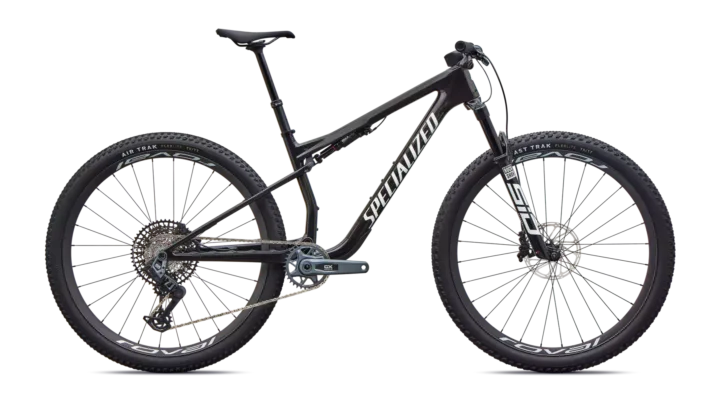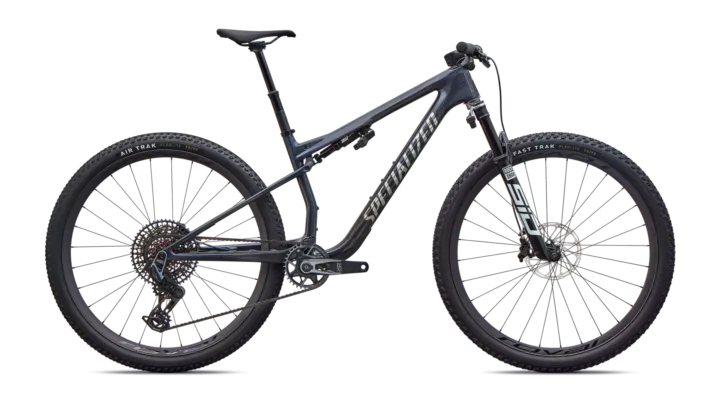
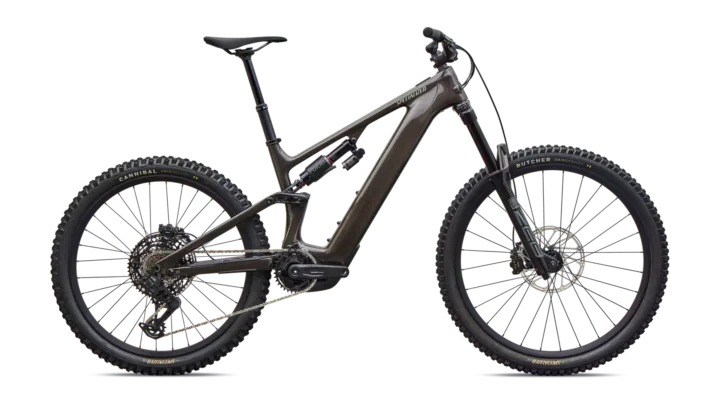
2027
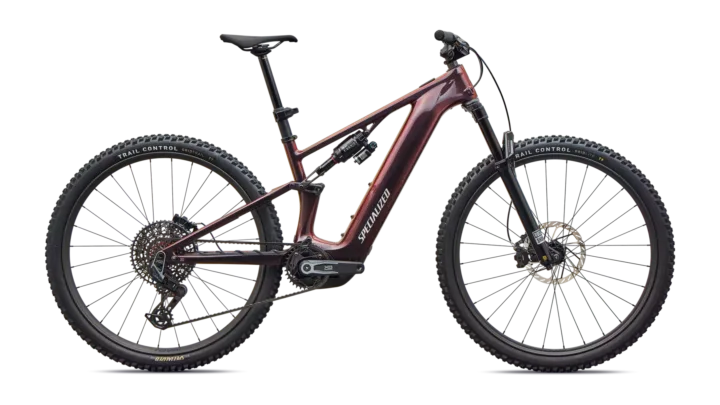
Turbo Levo 4 EVO Comp
Original MSRP $8,499.99
Velopedia Brand Reference
Specialized is a full-line bicycle and equipment company whose catalog covers competitive road, gravel and mountain bikes as well as transportation, fitness, electric and children’s models. It also sells many of the components riders normally source separately, including tires, wheels, saddles, helmets, shoes and cockpit parts.

Velopedia Bicycle Archive
Model years 1993–2027
Company overview
The brand fits several parts of the market rather than occupying a single niche. Flagship S-Works builds target riders willing to pay for low weight and top-tier components, while aluminum and more moderately equipped models make several Specialized platforms accessible at lower prices. A rider might consider the company for its breadth, strong fit resources and the ability to assemble a bike around compatible Specialized and Roval equipment.
That ecosystem can be convenient, but it requires careful shopping. Some models use proprietary suspension, storage, seatpost or cockpit parts, and the exact configuration may change between generations.
Specialized currently organizes its range around these principal categories:
Specialized frequently designs the frame, contact points and accessories as parts of the same system. Examples include Future Shock steering-column suspension on certain road and gravel bikes, SWAT in-frame storage, Roval integrated cockpits and wheels, and Body Geometry saddles, shoes and footbeds. Its Turbo electric models add another layer of integration through model-specific motors, batteries, controls and software.
These features can produce a tidy, purpose-built package. They can also limit the usefulness of universal replacement parts. A conventional stem, seatpost, storage bag or suspension component may not substitute directly for the original item. This is not a concern on every Specialized bike, but buyers who prefer highly interchangeable components should inspect the exact frame and build rather than judging the entire range by the model name.
Specialized also uses its S-Sizing system on many mountain bikes. Instead of treating size as a simple progression based only on rider height, the system allows some riders to choose between adjacent sizes for more agile or more stable handling. That choice still needs to account for reach, standover clearance, wheel clearance and available dropper-post insertion.
Start with the complete model name, generation and build level. Specialized may sell several generations of a platform at the same time, while suffixes such as S-Works, Pro, Expert, Comp and Sport indicate different equipment tiers. Frame material, carbon construction, suspension, wheels and drivetrain can vary substantially, so the badge alone does not describe the entire bike.
Check proprietary parts before planning upgrades. Future Shock versions are not all identical, integrated cockpits can restrict stem and handlebar changes, and some aero models use shape-specific seatposts. SWAT doors, internal bags and tools are likewise frame-specific. On a used Turbo bike, confirm the motor and battery generation, charger compatibility, firmware status and availability of the correct diagnostic support.
Fit deserves more weight than the component tier. A less expensive build in the correct size is usually a better starting point than a flagship model whose reach or handling does not suit the rider. Tire clearance, tubeless compatibility and accessory mounts should also be verified on the exact model year.
Specialized is most likely to appeal to riders who want a well-developed platform with matching equipment, numerous discipline-specific choices and clear upgrade paths within the brand’s ecosystem. Riders who prioritize universal components, minimal proprietary hardware or the lowest possible purchase price may find a simpler independent build or a less integrated competitor easier to own.
Practical reference
Registration changes the duration of eligible coverage. Claims are handled through an authorized Specialized retailer or Rider Care for applicable Specialized.com purchases.
Read the official warranty policy →
Warranty terms can vary by product, region, purchase date, and owner status. Confirm the current policy with the manufacturer.
Historical specifications