
Lowest0.79:1
Highest3.82:1
Total range486%
Velopedia Bicycle Archive
1995 Trek 7600
Original specifications: Shimano STX-RC drivetrain · 700c wheels · 24.2 lb published weight.
Selling this bike? Create a shareable bike record
 Image not available
At a glance
- Model year
- 1995
- Category
- Hybrid
- Original MSRP
- $899.99
- Sizes
- 16.5", 18", 20", 22"
- Colors
- Red
- Weight
- 24.2 lb
- Geometry
- Legacy reference
- In this record
- 25 specifications · original MSRP · geometry
- Archive ID
- 29100
Model history 7 other years
Original buildEaston ProGram EA60 · Shimano STX-RC · 700c wheels
Frameset
| Frame Construction | Bonded aluminum |
|---|---|
| Frame Material | Easton ProGram EA60 |
| Fork | Trek OS |
| Fork Material | Chromoly, forged dropouts, unicrown crown |
Drivetrain
| Component Group | Shimano STX-RC |
|---|---|
| Shifters | Grip Shift SRT-600 |
| Front Derailleur | Shimano STX-RC, bottom-pull/clamp-on 35.0 mm |
| Rear Derailleur | Shimano STX-RC |
| Crankset | Shimano STX-RC, 22/32/42 teeth |
| Rear Cogs | 7-speed, 11 - 28 teeth |
| Chain | Shimano CN-IG50, 1/2 x 3/32" |
| Pedals | System 1 w/clips & straps |
Brakes
| Brakes | Shimano STX M-System brakes, Dia-Compe PC-7 levers |
|---|
Cockpit & Contact Points
| Headset | 1 1/8" Tange-Seiki OV-21 |
|---|---|
| Handlebar | System 2 |
| Handlebar Extensions | Not included |
| Stem | System 2 |
| Saddle | Vetta Gel |
| Seatpost | System 2, 27.2 mm diameter |
Wheels & Tires
| Hubs | Shimano STX |
|---|---|
| Rims | Matrix Journey, 32-hole |
| Spokes | Stainless steel, 2.0 mm straight gauge |
| Spoke Nipples | Brass nipples |
| Front Tire | 700 x 38c Trek Invert II |
| Wheel Size | 700c wheels |
Geometry
Model-level measurements; the frame size was not recorded. Use these as a historical reference, not for size-specific fit.
Reference frame view
Size
Measurement
Measurement
—
Select an available measurement to locate it on the frame.
All geometry measurementsLegacy reference · 6 measurements
| Measurement | Legacy reference |
|---|---|
| Top tube | 574 mm |
| Head-tube angle | 71° |
| Seat-tube angle | 73° |
| Chainstay / rear center | 430 mm |
| Wheelbase | 1056 mm |
| Fork offset / rake | 40 mm |
The preserved source contains one model-level geometry set without an identified frame size.
Gearing
Lower ratios provide more mechanical advantage for climbing. Higher ratios turn the rear wheel farther with each crank revolution.
Parts & serviceability
Find replacement parts
Shimano CN-IG50, 1/2 x 3/32"
Shimano STX-RC, 22/32/42 teeth
Shimano STX-RC
Search: Shimano STX RC 7-speed mechanical rear derailleur
More parts (2)
System 2, 27.2 mm diameter
Retailer offers · Affiliate links
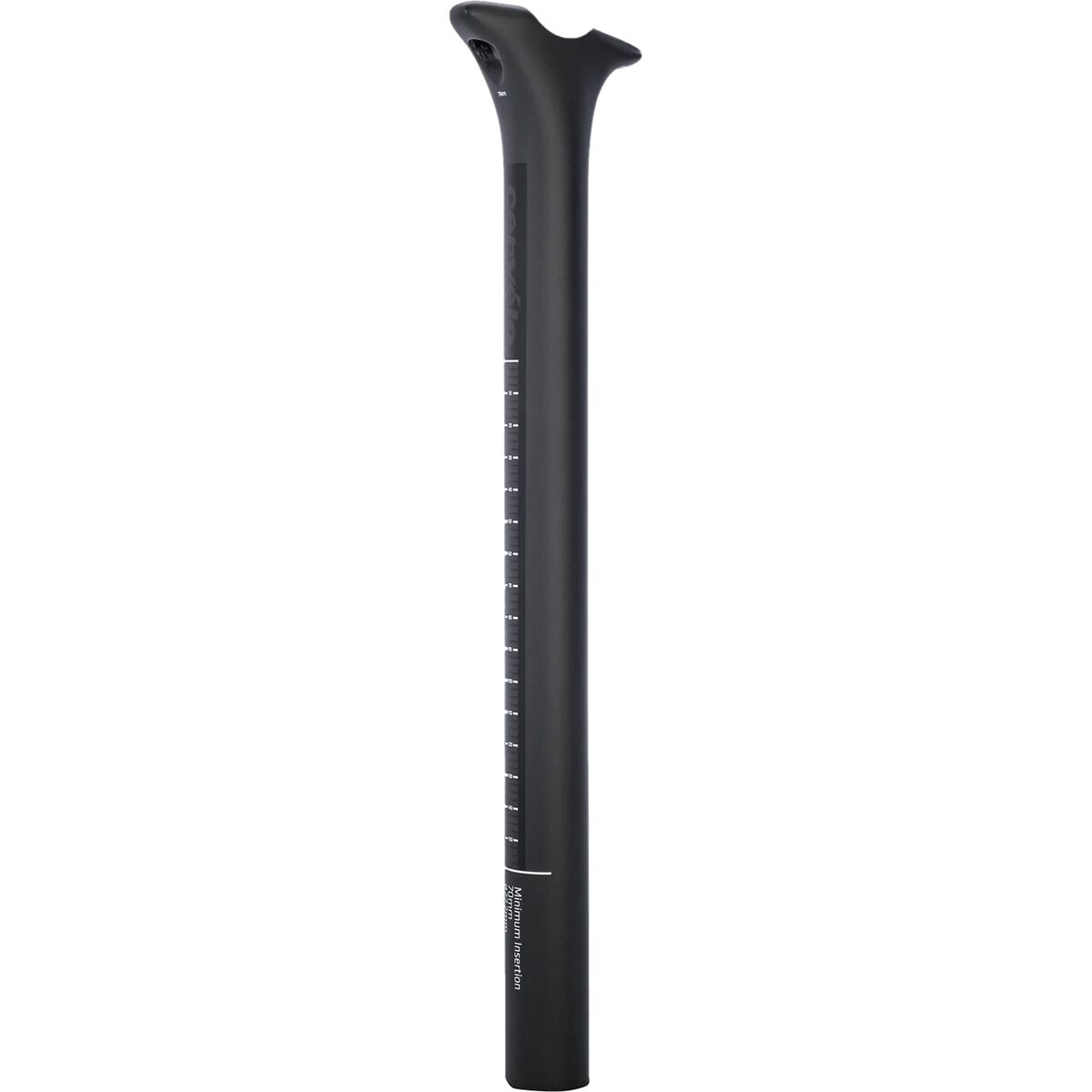
Cervelo SP19 Carbon Seatpost Black, 27.2mm, 0mm offset, 350mm long
27.2mm, 0mm offset, 350mm long
Replacement option · verify fit
Shimano STX
Based on the original build. Confirm the model, size and fit before ordering; installed parts may differ. As an Amazon Associate I earn from qualifying purchases. Velopedia may also earn from qualifying eBay purchases. Velopedia may also earn from qualifying retailer purchases.
Bike-specific inspection checklist 19 checks based on 5 archived component groups Open checklistClose checklist
This checklist uses the archived equipment for this bike. It cannot confirm the condition, service history or later component changes of the example in front of you.
Identity and fit
Follow the full used-bike inspection order →Archived: 1995 Trek 7600 · Hybrid · Published sizes: 16.5", 18", 20", 22"
Frame and fork
Inspect the frame and fork →Archived: Frame: Bonded aluminum · Fork: Trek OS · Chromoly, forged dropouts, unicrown crown
Drivetrain
Check drivetrain wear →Archived: Group: Shimano STX-RC · Shifters: Grip Shift SRT-600 · Front derailleur: Shimano STX-RC, bottom-pull/clamp-on 35.0 mm · Rear derailleur: Shimano STX-RC · Crankset: Shimano STX-RC, 22/32/42 teeth · Rear cogs: 7-speed, 11 - 28 teeth · Chain: Shimano CN-IG50, 1/2 x 3/32"
Brakes
Inspect the brakes →Archived: Brakes: Shimano STX M-System brakes, Dia-Compe PC-7 levers
Wheels and tires
Check wheels and tires →Archived: Wheel size: 700c wheels · Rims: Matrix Journey, 32-hole · Hubs: Shimano STX · Front tire: 700 x 38c Trek Invert II
Controls and contact points
Archived: Headset: 1 1/8" Tange-Seiki OV-21 · Handlebar: System 2 · Stem: System 2 · Seatpost: System 2, 27.2 mm diameter · Saddle: Vetta Gel · Pedals: System 1 w/clips & straps
Before and during the test ride
Follow the full used-bike inspection order →Have you owned this bike?Help preserve its real-world history by sharing your owner experience.
Share the details that would help another rider understand how this model fits, rides and holds up over time. Velopedia reviews every contribution before publication.
Already contributed? Send me a fresh private edit link
For privacy, Velopedia shows the same confirmation whether or not an experience exists.
Market Snapshot
Checked Oct 3, 2026We may earn a commission from purchases through these eBay links.

Trek 7600 Multi Track Bike - Hybrid Bike - Aluminum frame - 20 inch Wheels(700c)
Used · Fixed price · offers accepted · USD 179.99
Model year not confirmed
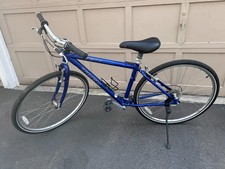
Asking prices, not completed sales. Shipping and tax excluded.
Specifications are presented as a reference. Components may vary by market, size, production run, or later manufacturer revisions.