2027
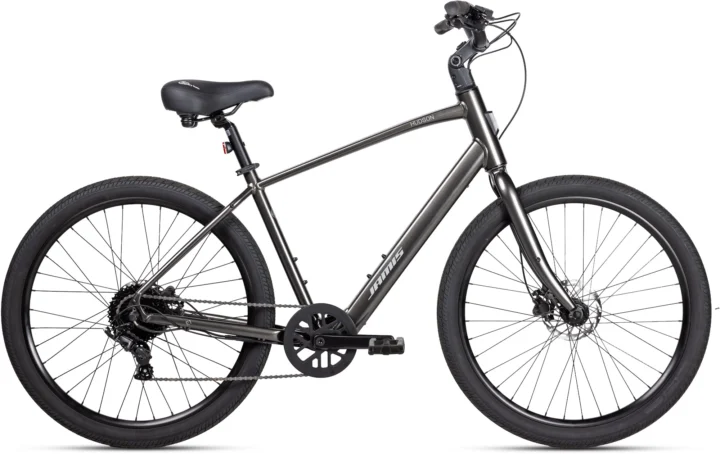
Hudson E1
Original MSRP $1,899.95
Velopedia Brand Reference
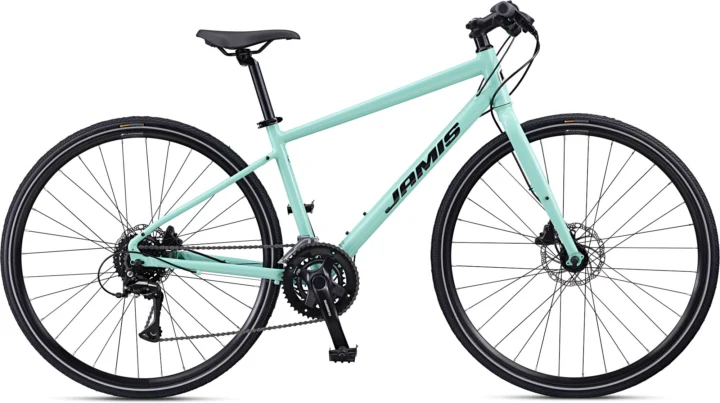
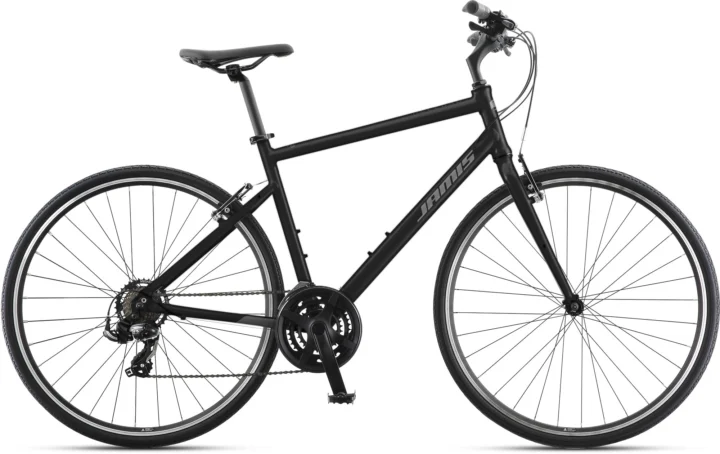
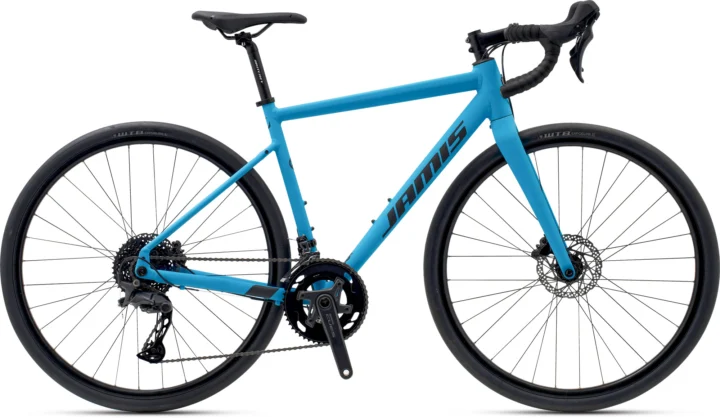
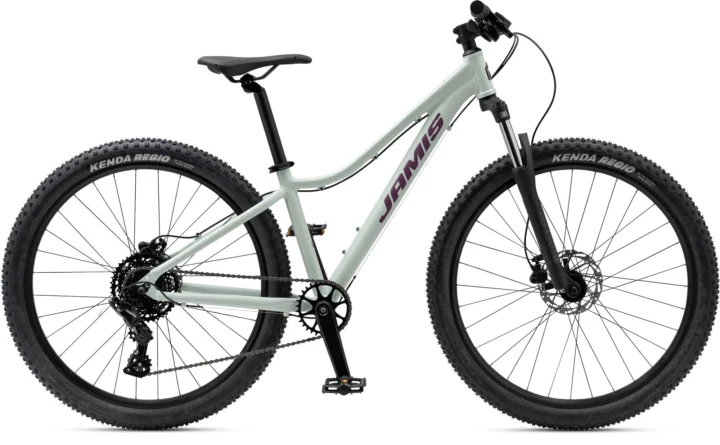
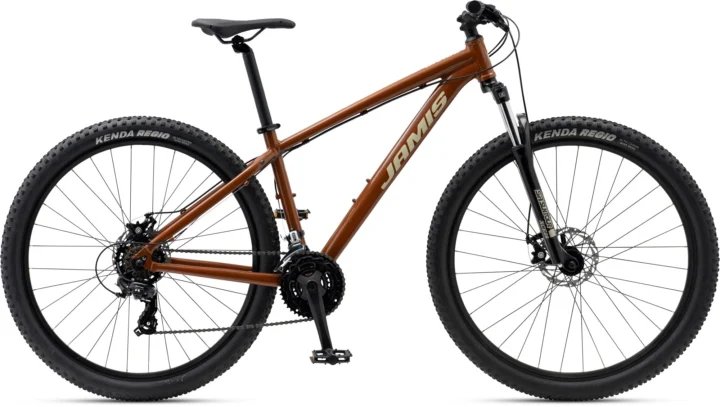
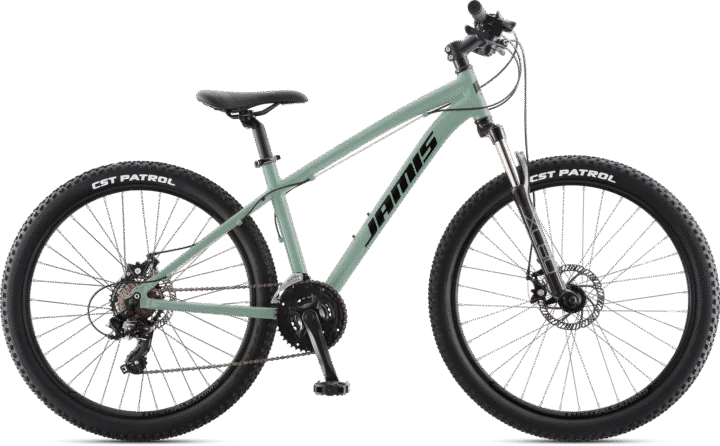
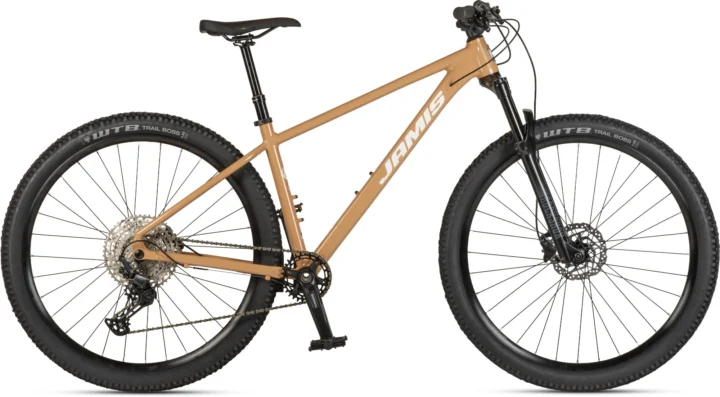
Jamis is an American bicycle brand with an unusually broad catalog. Its performance range includes full-suspension mountain bikes, trail hardtails, gravel bikes, road bikes, and electric mountain bikes. The same brand also sells steel fitness bikes, comfort hybrids, cruisers, tricycles, and children’s bicycles.
Velopedia Bicycle Archive
Model years 1993–2027
Company overview
Jamis is an American bicycle brand with an unusually broad catalog. Its performance range includes full-suspension mountain bikes, trail hardtails, gravel bikes, road bikes, and electric mountain bikes. The same brand also sells steel fitness bikes, comfort hybrids, cruisers, tricycles, and children’s bicycles.
Two parts of the range are particularly distinctive. The Renegade gravel family is available with carbon, steel, or aluminum frames, while Jamis’s mountain-bike catalog includes several suspension systems and generations. Long-running steel models such as the Dragon, Coda, and Sequel give the brand a different character from companies focused entirely on carbon race equipment.
Jamis primarily works through bicycle retailers. Selected products can be ordered through its website, but direct purchases are sent to a qualified shop for professional assembly and customer pickup rather than arriving as an unassembled box. That arrangement provides a useful service checkpoint, although actual selection depends on regional dealer inventory.
The live Jamis catalog covers:
The Renegade demonstrates the breadth within a single Jamis family. Current versions use size-specific frame design, but their materials, equipment, mounting points, cable routing, tire clearances, and intended use are not identical.
Carbon Renegades occupy the performance end of the range. Steel versions emphasize adaptability and the ride characteristics of Reynolds tubing, while aluminum models provide a less expensive entry point. Recent platforms can include clearance for tires around 50 mm wide, numerous luggage and fender mounts, dropper-post compatibility, and an adjustable fork offset. Buyers should confirm these features on the exact frame and model year rather than assuming they apply to every Renegade.
Steel remains important elsewhere in the catalog. The Dragon is a long-running trail-hardtail family, the Sequel combines flat handlebars with wide tires and utility mounts, and the Coda is a traditional steel fitness bike. These models can suit riders who value serviceable, adaptable frames, but steel construction does not guarantee universal component compatibility or low weight.
Jamis’s full-suspension range requires especially careful identification. Portal and Hardline models use the multi-link 3VO system developed with Chris Currie of Speedgoat Design. Newer Faultline and Defcon models use Jamis’s MPX Horst-link arrangement, while older Faultline pages and used bikes may feature the previous MP2 platform.
These systems use different frames, pivots, bearings, links, shock dimensions, and hardware. Jamis makes pivot and bushing service kits available through authorized retailers, but the dealer needs the exact year and model to identify the correct parts.
Begin with the intended terrain and riding position. The Renegade is not simply a wider-tire Ventura, and a Sequel is not a flat-bar version of every gravel bike. Compare stack, reach, standover height, wheelbase, tire capacity, and mounting provisions instead of relying only on the stated frame size or category.
Mountain-bike buyers should distinguish carefully between the Portal, Hardline, Faultline, and Defcon. Suspension travel, wheel size, geometry, drivetrain, and intended terrain differ considerably. Riders considering a used Faultline should establish whether it is an MP2 or MPX generation before ordering suspension or frame hardware.
The Jamis website mixes newly introduced products with older configurations, discounted inventory, sold-out models, and platform pages retained for reference. Confirm the model year, product code, original specification, and actual availability with the selling retailer. Components and colors can change even when the family name remains the same.
For an electric model, verify the exact motor, battery, display, charger, battery keys, and assist classification. Confirm that a convenient dealer can perform diagnostics and obtain replacement electrical parts. Battery age and storage history deserve particular attention on discounted or used bikes.
A website order is still completed through a qualified bicycle shop, which receives and assembles the bike before pickup. Buyers should ask whether initial fit adjustments, tubeless setup, accessory installation, and a post-purchase check are included.
When evaluating an older Jamis, use the company’s catalog archive to determine the original frame and equipment. Inspect suspension pivots and shock hardware on full-suspension bikes, verify that the derailleur hanger and frame-specific parts remain obtainable, and distinguish original equipment from later substitutions.
Jamis makes the most sense for someone who values a broad dealer-supported selection, wants a choice of frame materials, or finds that a Renegade, steel fitness bike, or particular suspension platform suits the intended use. Riders seeking a tightly focused race catalog, transparent consumer-direct inventory, or minimal dependence on model-specific suspension hardware may prefer a more specialized brand.
Historical specifications