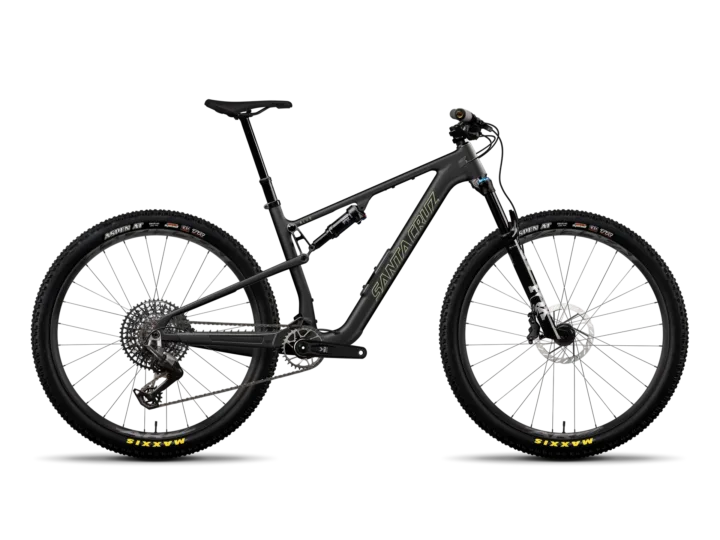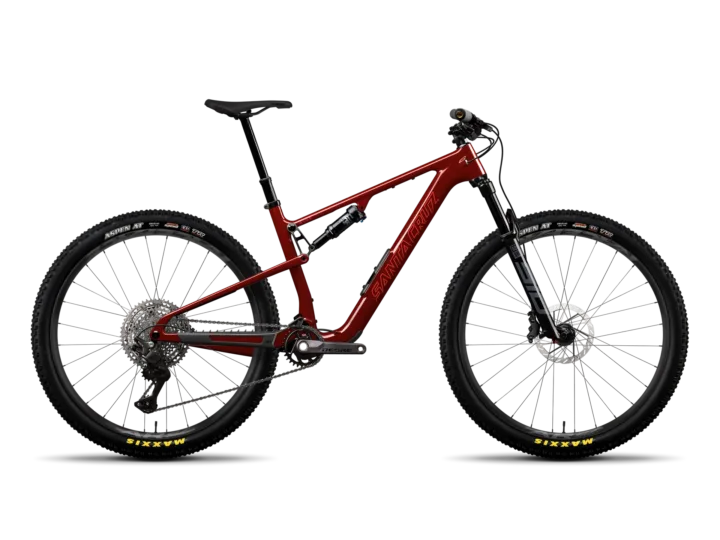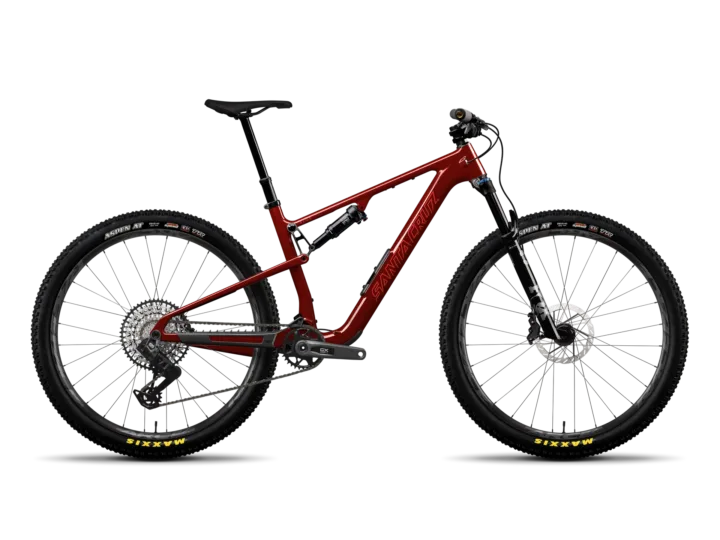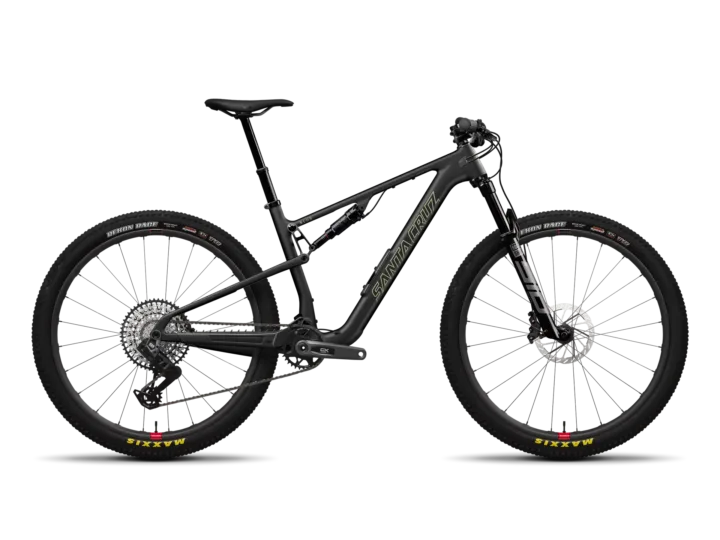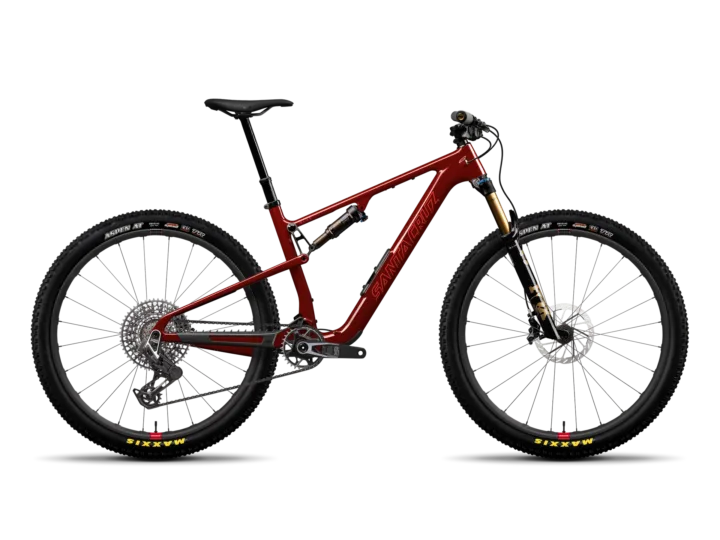
New · USD 3500.00
Velopedia Bicycle Archive
Mountain bicycle from the Velopedia specification archive.
Recently checked market
1 close matchMove, scroll, tap or type to start the protected update.
Velopedia analysis
Suspension at both ends means fork and shock setup should be considered together; mismatched sag or rebound can leave the front and rear reacting very differently. The mixed-wheel layout uses different front and rear diameters, so tires, tubes, rims and spare wheels are not interchangeable end to end. Electronic shifting removes the usual shift cable but adds a separate battery and controls, while the 520% cassette range describes how much gearing is available.
Used-bike inspection
Before any test ride: both brakes should stop the bike firmly and release cleanly; both wheels should run true and be securely attached; tires should have no casing damage; and the headset, handlebar, stem, cranks and pedals should have no looseness or play.
Follow the full used-bike inspection order →This checklist uses the archived equipment for this bike. It cannot confirm the condition, service history or later component changes of the example in front of you.
Archived: 2027 Santa Cruz Nomad GX AXS · Mountain · Published sizes: S, M, L, XL, XXL
Archived: Frame: Carbon CC MX 170mm Travel VPP™ · Fork: RockShox Zeb Select+, 170mm
Archived: Fork: RockShox Zeb Select+, 170mm · Rear shock: RockShox Super Deluxe Select+, 230x65
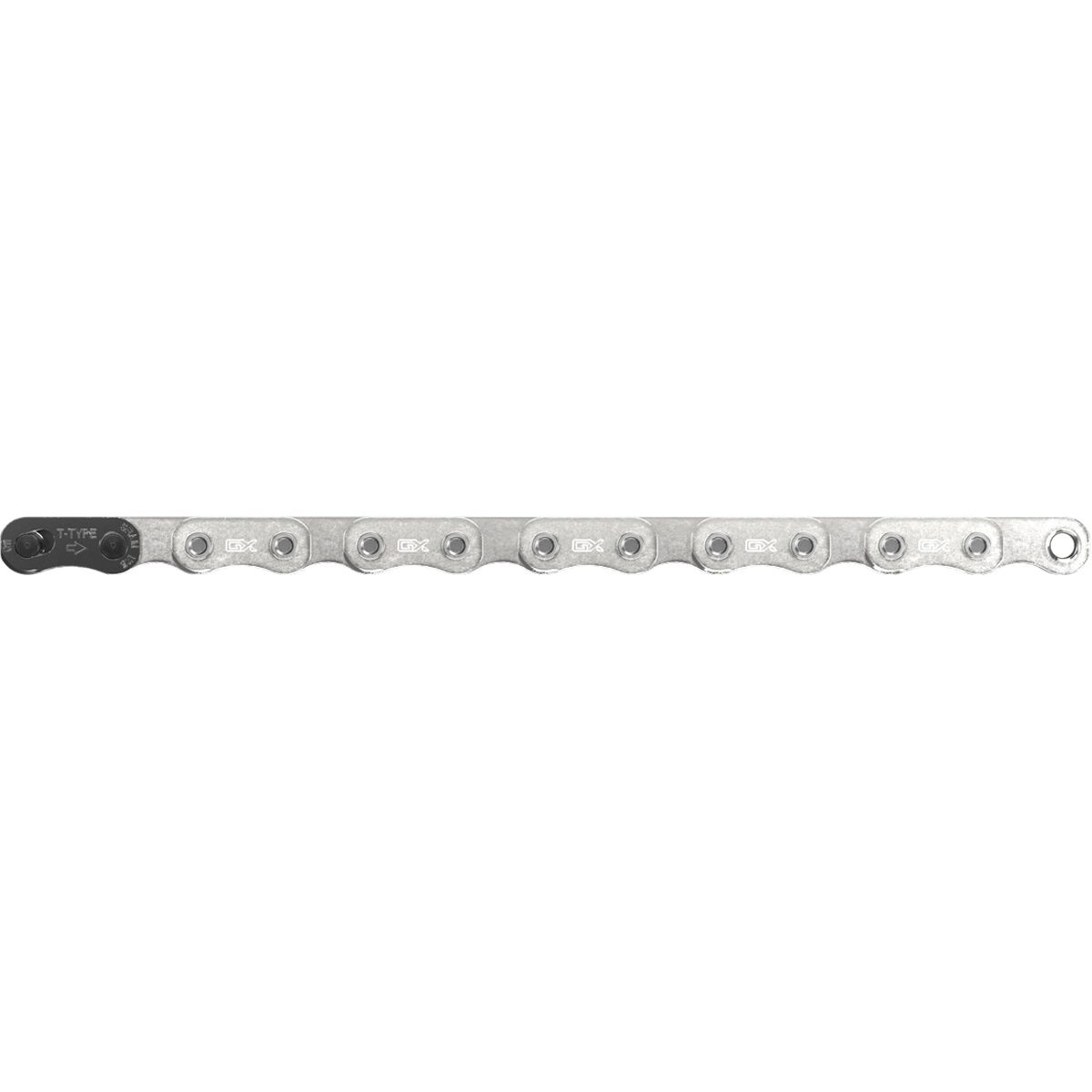
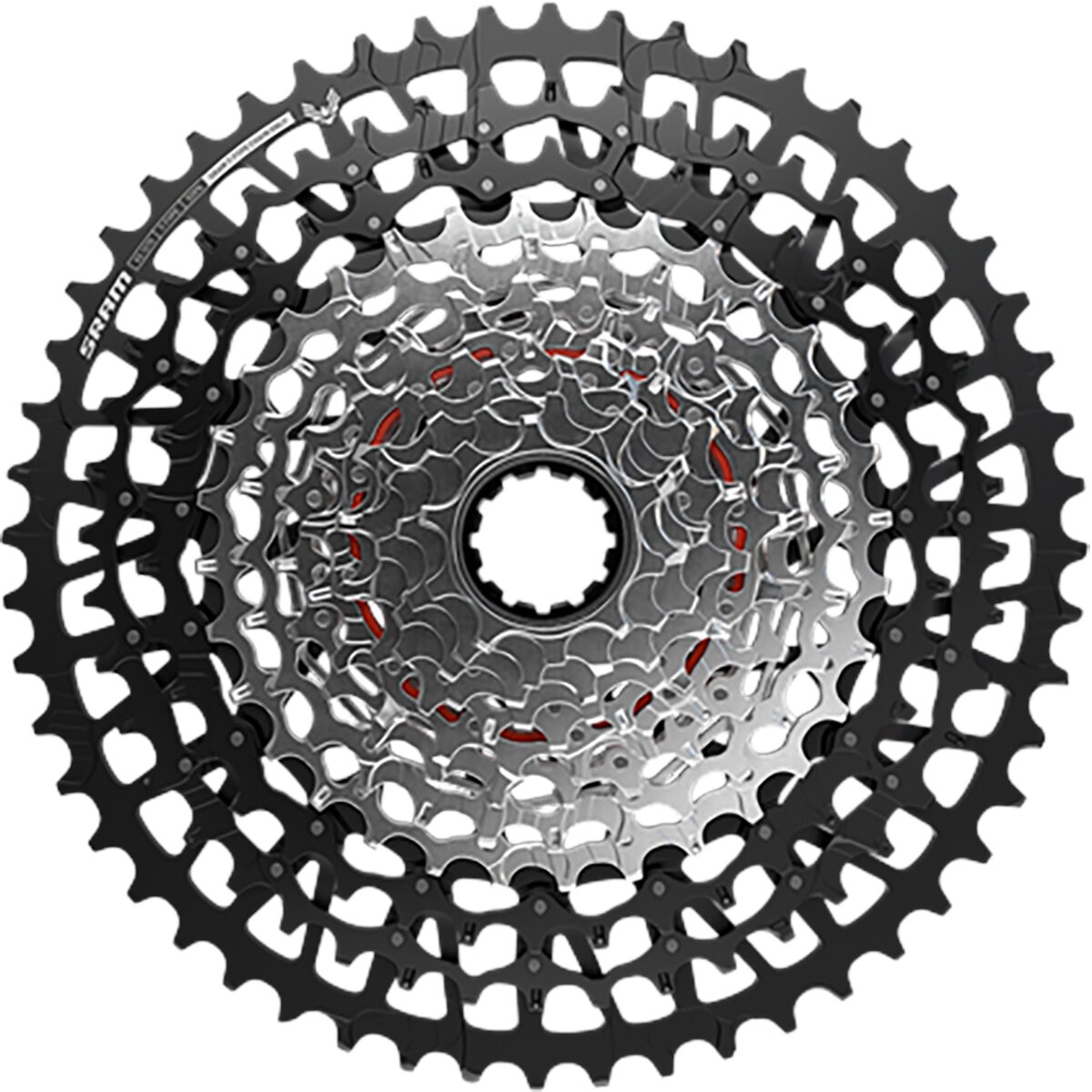
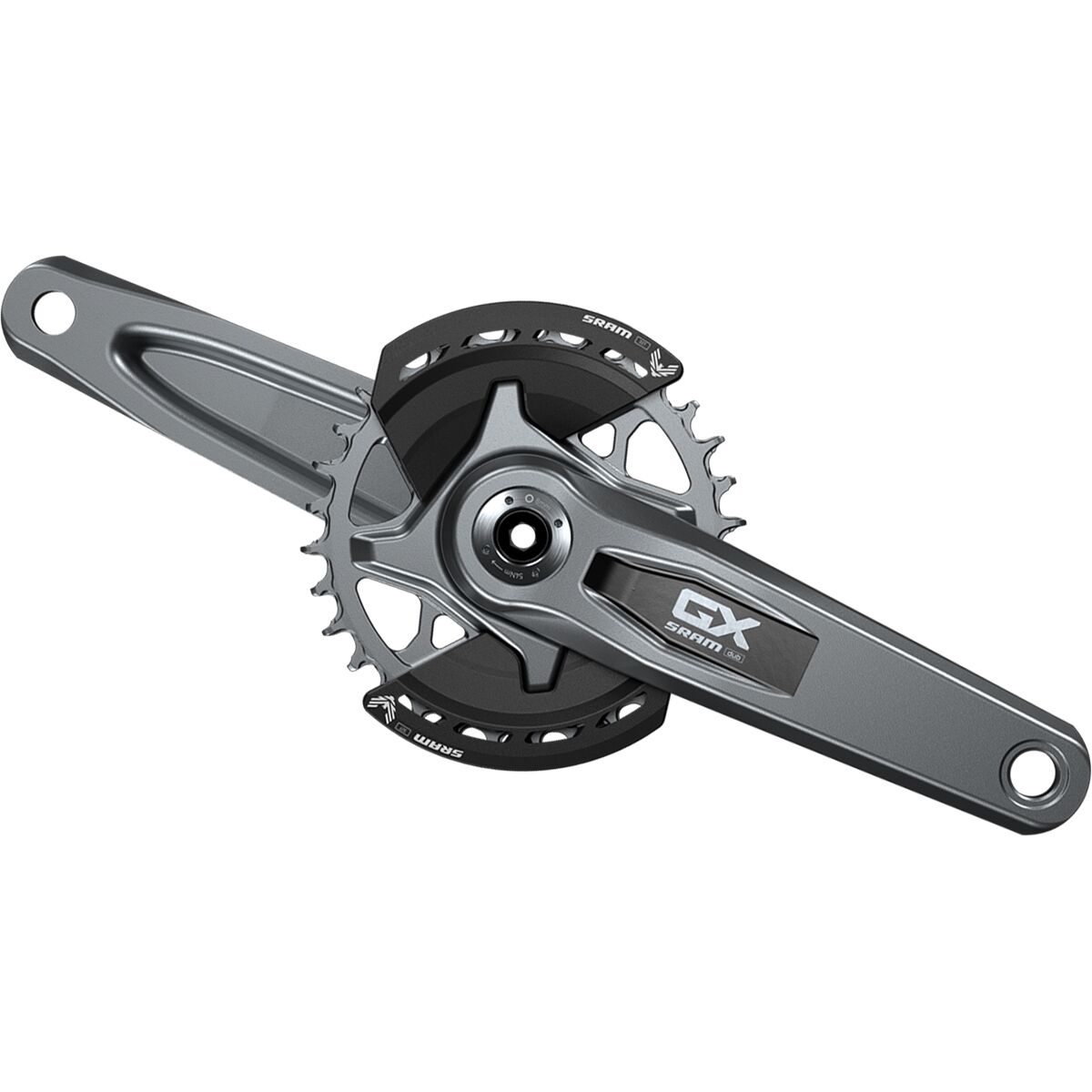
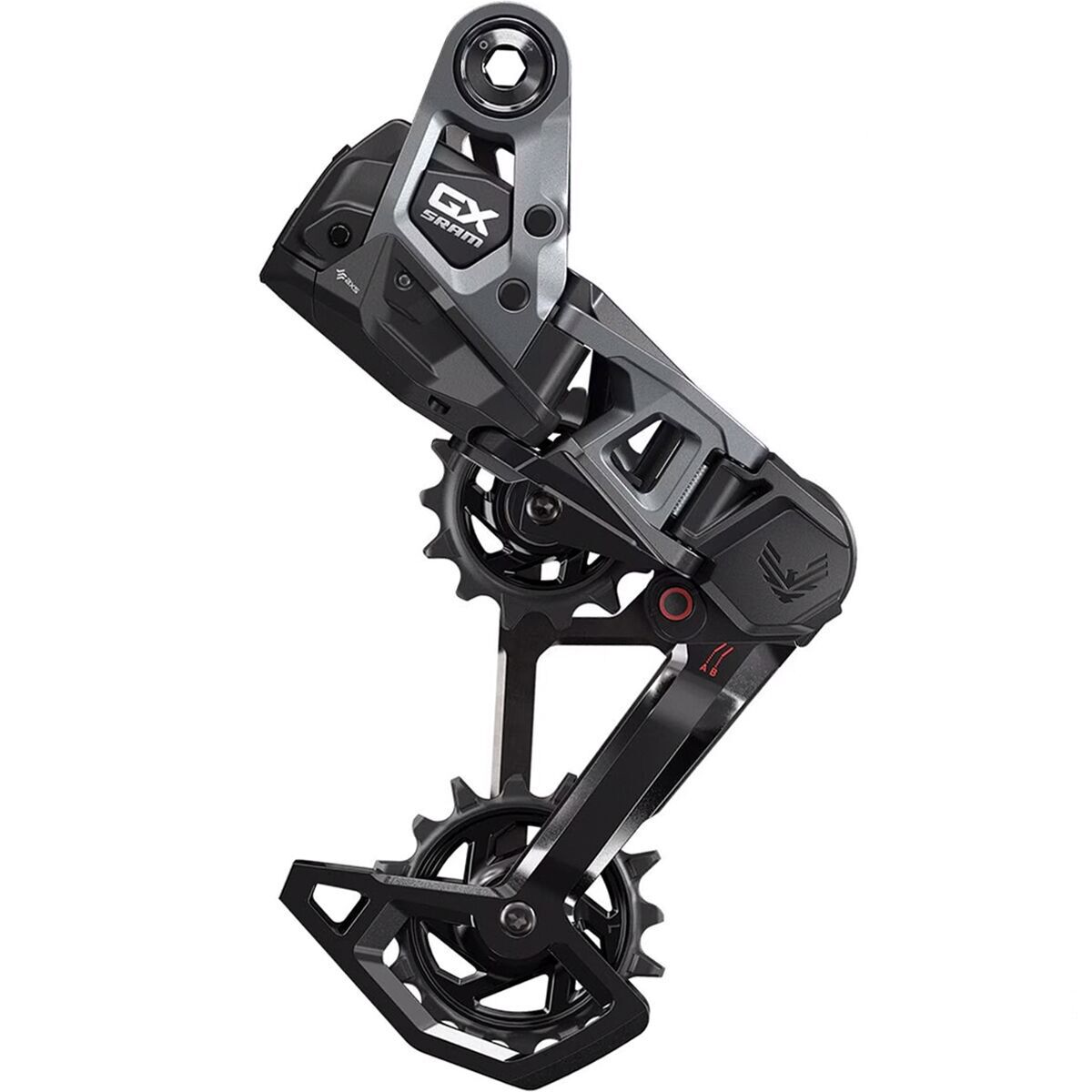
Archived: Shifters: SRAM AXS Pod Controller · Rear derailleur: SRAM GX Eagle AXS T-Type, 12spd · Crankset: SRAM GX Eagle DUB T-Type, 32t S: 165mm, M-XXL: 170mm · Bottom bracket: SRAM DUB 73mm MTB Wide BB · Cassette: SRAM GX 1275 Eagle T-Type, 10-52t · Chain: SRAM GX Eagle T-Type, Flattop, 12spd
Archived: Brakes: SRAM Maven Bronze
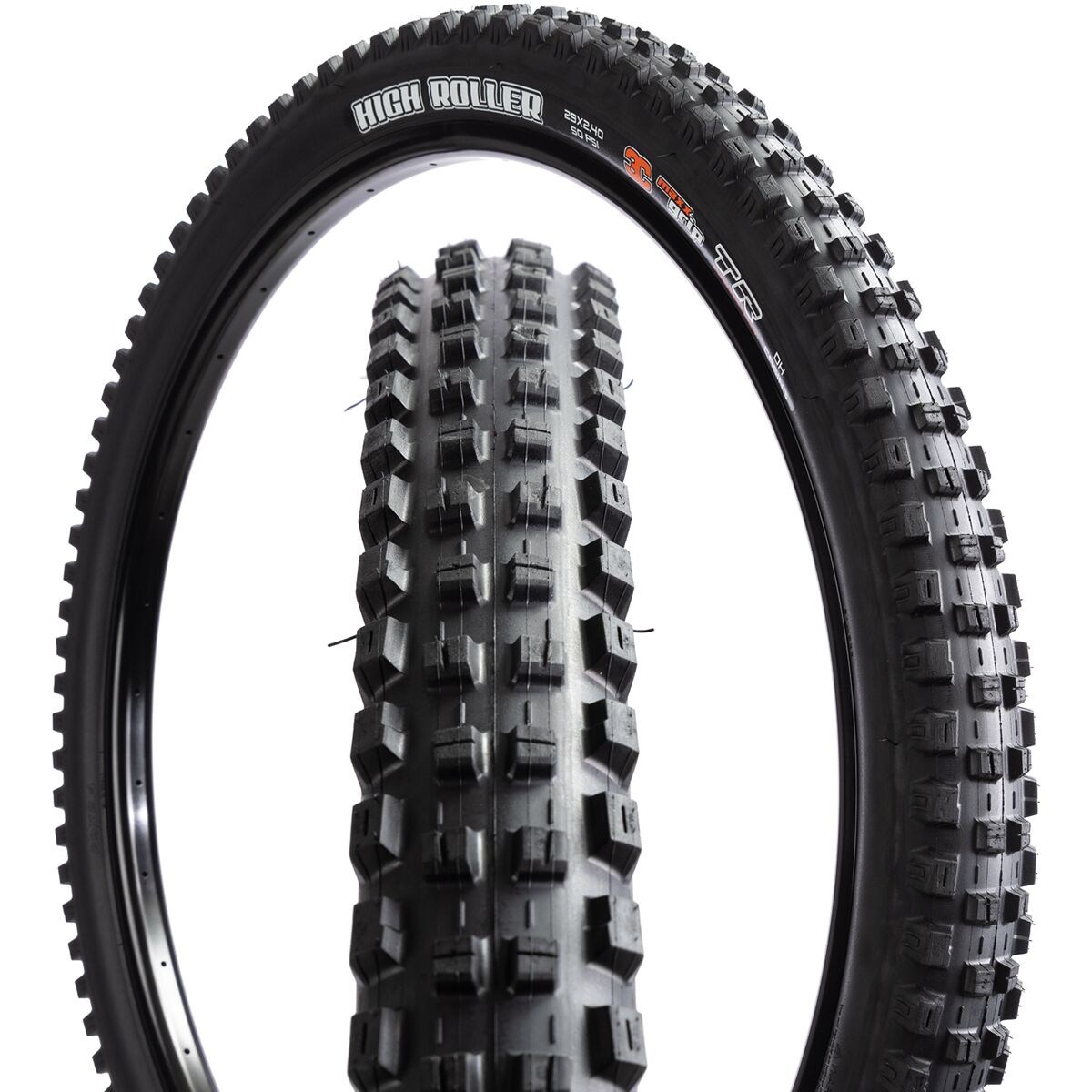
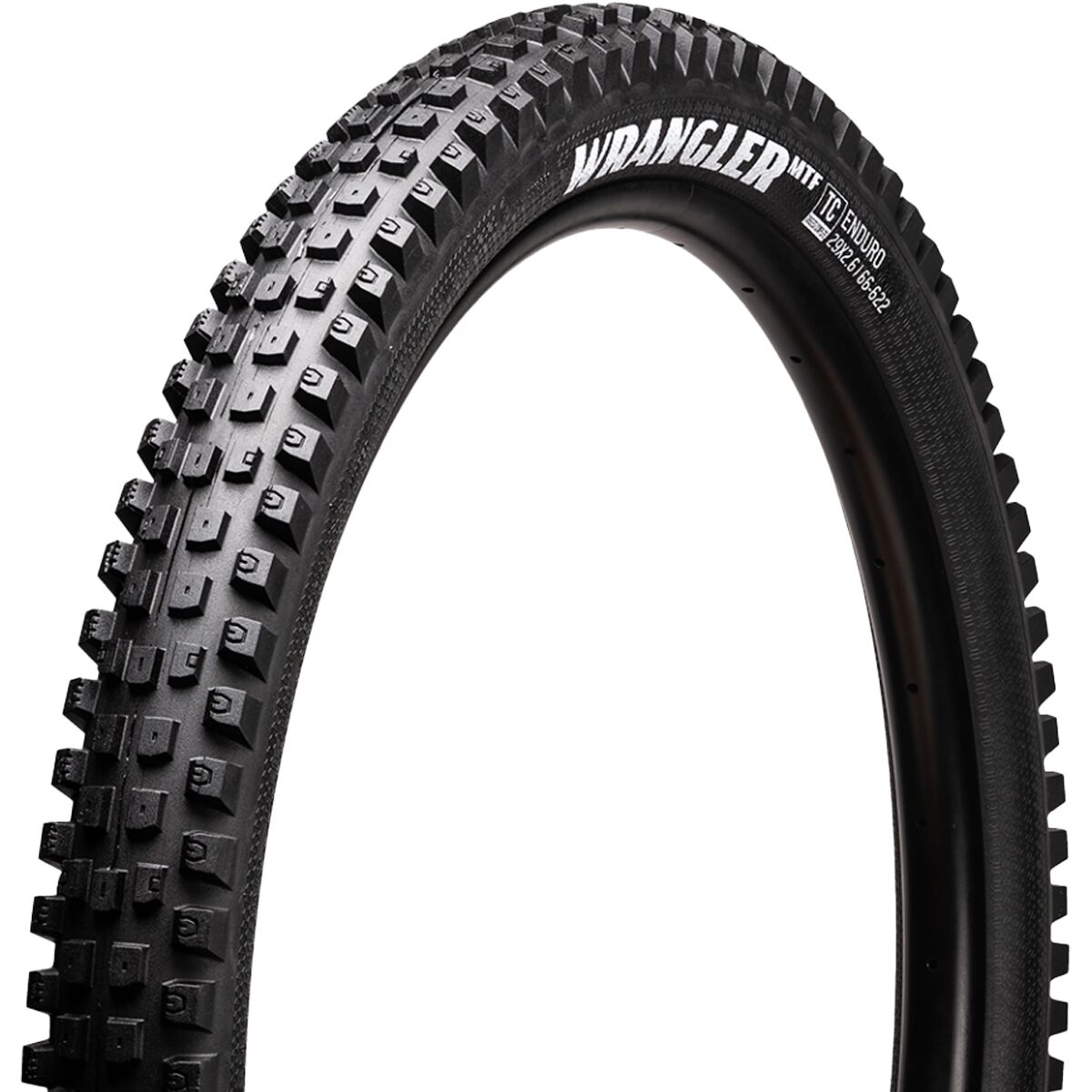
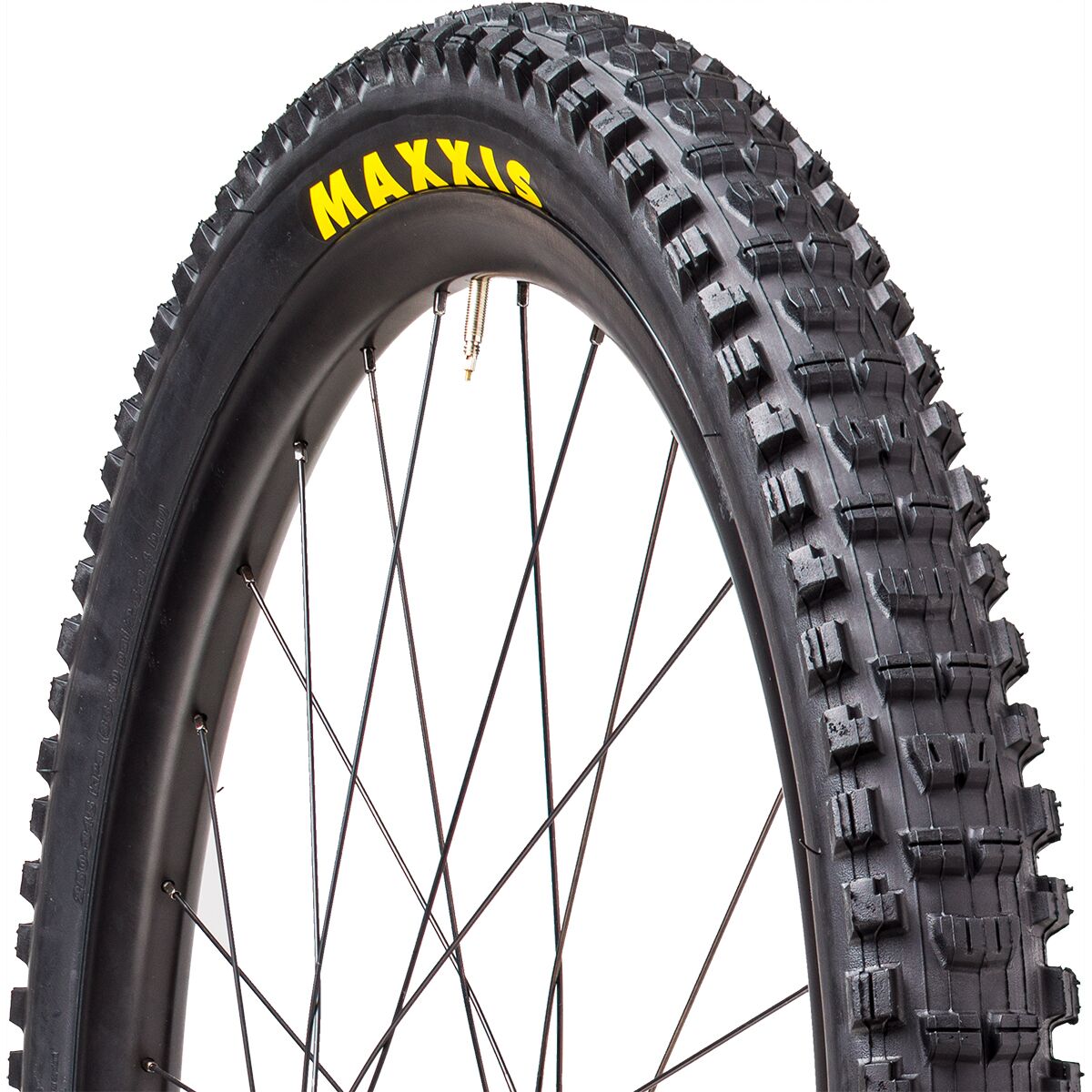
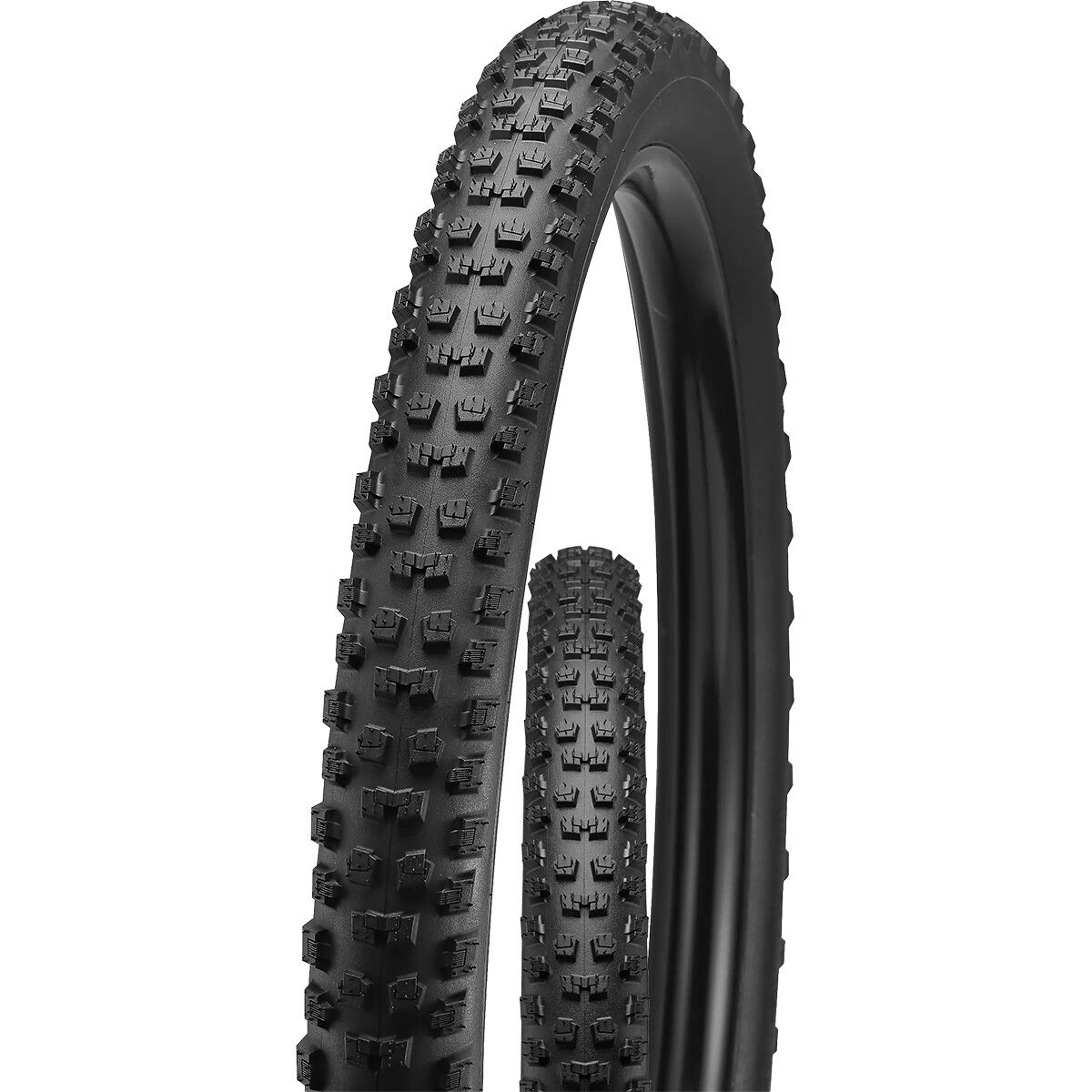
Archived: Wheel size: MX · Rims: (F) Reserve 30|SL AL 6069 / (R) Reserve 30|HD AL 6069 · Hubs: (F) DT Swiss 370, 15x110, 6-Bolt, 28h / (R) DT Swiss 370, 12x148, XD, 6-Bolt, 36t, 32h · Front tire: Maxxis High Roller, 29"x2.4", 3C MaxxGrip, EXO+ · Rear tire: Maxxis Minion DHR II 27.5"x2.4", 3C MaxxTerra, Double Down
Archived: Headset: Cane Creek 50 IS Integrated Headset · Handlebar: OneUp Carbon Bar, 35mm S: 760mm, 20mm Rise, M-XXL: 800mm, 35mm Rise · Stem: OneUp Enduro Stem All Sizes: 42mm · Seatpost: OneUp Dropper Post, 31.6 S: 150mm, M: 180mm, L-XL: 210mm, XXL: 240mm · Saddle: SDG Bel-Air V3 Lux-Alloy Atmos
Interpretation based on the archived manufacturer specifications. Confirm exact fit and standards before ordering parts or performing service.
Share the details that would help another rider understand how this model fits, rides and holds up over time. Velopedia reviews every contribution before publication.
For privacy, Velopedia shows the same confirmation whether or not an experience exists.
| Frame Construction | Carbon CC MX 170mm Travel VPP™ |
|---|---|
| Frame Material | Carbon Fiber |
| Fork | RockShox Zeb Select+, 170mm |
| Rear Shock | RockShox Super Deluxe Select+, 230x65 |
| Shifters | SRAM AXS Pod Controller |
|---|---|
| Rear Derailleur | SRAM GX Eagle AXS T-Type, 12spd |
| Crankset | SRAM GX Eagle DUB T-Type, 32t S: 165mm, M-XXL: 170mm |
| Bottom Bracket | SRAM DUB 73mm MTB Wide BB |
| Cassette | SRAM GX 1275 Eagle T-Type, 10-52t |
| Chain | SRAM GX Eagle T-Type, Flattop, 12spd |
| Brakes | SRAM Maven Bronze |
|---|
| Headset | Cane Creek 50 IS Integrated Headset |
|---|---|
| Handlebar | OneUp Carbon Bar, 35mm S: 760mm, 20mm Rise, M-XXL: 800mm, 35mm Rise |
| Stem | OneUp Enduro Stem All Sizes: 42mm |
| Saddle | SDG Bel-Air V3 Lux-Alloy Atmos |
| Seatpost | OneUp Dropper Post, 31.6 S: 150mm, M: 180mm, L-XL: 210mm, XXL: 240mm |
| Hubs | (F) DT Swiss 370, 15x110, 6-Bolt, 28h / (R) DT Swiss 370, 12x148, XD, 6-Bolt, 36t, 32h |
|---|---|
| Rims | (F) Reserve 30|SL AL 6069 / (R) Reserve 30|HD AL 6069 |
| Front Tire | Maxxis High Roller, 29"x2.4", 3C MaxxGrip, EXO+ |
| Rear Tire | Maxxis Minion DHR II 27.5"x2.4", 3C MaxxTerra, Double Down |
| Wheel Size | MX |
Size-specific frame data
Manufacturer-published geometry normalized for consistent archival comparison. Effective top tube and reach remain separate measurements because they describe different aspects of fit.
| Measurement | S | M | L | XL | XXL |
|---|---|---|---|---|---|
| Seat tube | 380 mm | 400 mm | 420 mm | 450 mm | 500 mm |
| Top tube | 569/569 | 587/586 | 604/605 | 627/628 | 651/652 |
| Head tube | 100 mm | 110 mm | 120 mm | 140 mm | 150 mm |
| Head-tube angle | 63.6°/63.3° | 63.6°/63.3° | 63.6°/63.3° | 63.6°/63.3° | 63.6°/63.3° |
| Seat-tube angle | 78°/77.7° | 78.2°/78.1° | 78.6°/78.4° | 78.7°/78.5° | 78.9°/78.7° |
| Chainstay / rear center | 438/439 | 441/442 | 444/445 | 447/448 | 451/452 |
| Wheelbase | 1219/1219 | 1246/1247 | 1276/1274 | 1305/1306 | 1339/1339 |
| Bottom-bracket drop | 26.5/30 | 26.5/30 | 26.5/30 | 26.5/30 | 26.5/30 |
| Bottom-bracket height | 346/342.5 | 346/342.5 | 346/342.5 | 346/342.5 | 346/342.5 |
| Reach | 435/433 | 455/453 | 475/473 | 495/493 | 520/518 |
| Stack | 624/626 | 633/635 | 643/645 | 660/662 | 669/671 |
| Standover height | 711/707 | 719/715 | 722/718 | 726/722 | 732/728 |
| Front center | 781/780 | 805/805 | 830/830 | 858/858 | 888/888 |
Geometry source: Manufacturer HTML geometry table ↗ Measurements can vary by configuration, wheel size, or flip-chip position where noted by the manufacturer.
Geometry interpretation
The archived table contains paired manufacturer values. Velopedia separates the numerically higher and lower chassis states for interpretation without treating them as separate bicycles.
S geometry
The 624 mm stack is tall relative to the 435 mm reach, pointing to a more upright front-end position rather than an especially long, low cockpit. Its 78° effective seat angle places the seated rider relatively forward, a layout that generally helps keep body weight centered on steep climbs.
A 63.6° head angle combined with a 1219 mm wheelbase points to strongly stability-oriented steering and chassis behavior. The longer the chassis and slacker the front end, the more the bike tends to favor composure over very quick direction changes.
Compared with Lower geometry, this configuration raises the bottom bracket by 3.5 mm, reduces bottom-bracket drop by 3.5 mm, steepens the head angle by 0.3°, and extends reach by 2 mm.
The seat angle of 78° sits toward the steeper end. The head angle of 63.6° sits toward the slacker end. The chainstay of 438 mm sits toward the longer rear-center end.
The 626 mm stack is tall relative to the 433 mm reach, pointing to a more upright front-end position rather than an especially long, low cockpit. Its 77.7° effective seat angle places the seated rider relatively forward, a layout that generally helps keep body weight centered on steep climbs.
A 63.3° head angle combined with a 1219 mm wheelbase points to strongly stability-oriented steering and chassis behavior. The longer the chassis and slacker the front end, the more the bike tends to favor composure over very quick direction changes.
Compared with Higher geometry, this configuration lowers the bottom bracket by 3.5 mm, increases bottom-bracket drop by 3.5 mm, slackens the head angle by 0.3°, and shortens reach by 2 mm.
The head angle of 63.3° sits toward the slacker end. Its stack of 626 mm sits toward the taller end. The chainstay of 439 mm sits toward the longer rear-center end.
M geometry
The 633 mm stack is tall relative to the 455 mm reach, pointing to a more upright front-end position rather than an especially long, low cockpit. Its 78.2° effective seat angle places the seated rider relatively forward, a layout that generally helps keep body weight centered on steep climbs.
A 63.6° head angle combined with a 1246 mm wheelbase points to strongly stability-oriented steering and chassis behavior. The longer the chassis and slacker the front end, the more the bike tends to favor composure over very quick direction changes.
Compared with Lower geometry, this configuration raises the bottom bracket by 3.5 mm, reduces bottom-bracket drop by 3.5 mm, steepens the head angle by 0.3°, and extends reach by 2 mm.
The seat angle of 78.2° sits toward the steeper end. The chainstay of 441 mm sits toward the longer rear-center end. The head angle of 63.6° sits toward the slacker end.
The 635 mm stack is tall relative to the 453 mm reach, pointing to a more upright front-end position rather than an especially long, low cockpit. Its 78.1° effective seat angle places the seated rider relatively forward, a layout that generally helps keep body weight centered on steep climbs.
A 63.3° head angle combined with a 1247 mm wheelbase points to strongly stability-oriented steering and chassis behavior. The longer the chassis and slacker the front end, the more the bike tends to favor composure over very quick direction changes.
Compared with Higher geometry, this configuration lowers the bottom bracket by 3.5 mm, increases bottom-bracket drop by 3.5 mm, slackens the head angle by 0.3°, and shortens reach by 2 mm.
The seat angle of 78.1° sits toward the steeper end. The head angle of 63.3° sits toward the slacker end. The chainstay of 442 mm sits toward the longer rear-center end.
L geometry
A 475 mm reach paired with 643 mm of stack gives this size a moderate frame proportion: roomy enough when standing without pushing strongly toward either a very low or very upright front end. Its 78.6° effective seat angle places the seated rider relatively forward, a layout that generally helps keep body weight centered on steep climbs.
A 63.6° head angle combined with a 1276 mm wheelbase points to strongly stability-oriented steering and chassis behavior. The longer the chassis and slacker the front end, the more the bike tends to favor composure over very quick direction changes.
Compared with Lower geometry, this configuration raises the bottom bracket by 3.5 mm, reduces bottom-bracket drop by 3.5 mm, steepens the head angle by 0.3°, and extends reach by 2 mm.
The seat angle of 78.6° sits toward the steeper end. The chainstay of 444 mm sits toward the longer rear-center end. Its stack of 643 mm sits toward the taller end.
A 473 mm reach paired with 645 mm of stack gives this size a moderate frame proportion: roomy enough when standing without pushing strongly toward either a very low or very upright front end. Its 78.4° effective seat angle places the seated rider relatively forward, a layout that generally helps keep body weight centered on steep climbs.
A 63.3° head angle combined with a 1274 mm wheelbase points to strongly stability-oriented steering and chassis behavior. The longer the chassis and slacker the front end, the more the bike tends to favor composure over very quick direction changes.
Compared with Higher geometry, this configuration lowers the bottom bracket by 3.5 mm, increases bottom-bracket drop by 3.5 mm, slackens the head angle by 0.3°, and shortens reach by 2 mm.
The seat angle of 78.4° sits toward the steeper end. Its stack of 645 mm sits toward the taller end. The chainstay of 445 mm sits toward the longer rear-center end.
XL geometry
A 495 mm reach paired with 660 mm of stack gives this size a moderate frame proportion: roomy enough when standing without pushing strongly toward either a very low or very upright front end. Its 78.7° effective seat angle places the seated rider relatively forward, a layout that generally helps keep body weight centered on steep climbs.
A 63.6° head angle combined with a 1305 mm wheelbase points to strongly stability-oriented steering and chassis behavior. The longer the chassis and slacker the front end, the more the bike tends to favor composure over very quick direction changes.
Compared with Lower geometry, this configuration raises the bottom bracket by 3.5 mm, reduces bottom-bracket drop by 3.5 mm, steepens the head angle by 0.3°, and extends reach by 2 mm.
The seat angle of 78.7° sits toward the steeper end. Its stack of 660 mm sits toward the taller end. The chainstay of 447 mm sits toward the longer rear-center end.
A 493 mm reach paired with 662 mm of stack gives this size a moderate frame proportion: roomy enough when standing without pushing strongly toward either a very low or very upright front end. Its 78.5° effective seat angle places the seated rider relatively forward, a layout that generally helps keep body weight centered on steep climbs.
A 63.3° head angle combined with a 1306 mm wheelbase points to strongly stability-oriented steering and chassis behavior. The longer the chassis and slacker the front end, the more the bike tends to favor composure over very quick direction changes.
Compared with Higher geometry, this configuration lowers the bottom bracket by 3.5 mm, increases bottom-bracket drop by 3.5 mm, slackens the head angle by 0.3°, and shortens reach by 2 mm.
Its stack of 662 mm sits toward the taller end. The seat angle of 78.5° sits toward the steeper end. The head angle of 63.3° sits toward the slacker end.
XXL geometry
With 520 mm of reach and 669 mm of stack, the frame has a relatively long, low proportion that should leave plenty of room when standing and put the front end toward the lower side of modern mountain-bike fit. Its 78.9° effective seat angle places the seated rider relatively forward, a layout that generally helps keep body weight centered on steep climbs.
A 63.6° head angle combined with a 1339 mm wheelbase points to strongly stability-oriented steering and chassis behavior. The longer the chassis and slacker the front end, the more the bike tends to favor composure over very quick direction changes. The 451 mm rear center is relatively long, tending to keep the rider more centered between the wheels and the rear of the bike planted under load.
Compared with Lower geometry, this configuration raises the bottom bracket by 3.5 mm, reduces bottom-bracket drop by 3.5 mm, steepens the head angle by 0.3°, and extends reach by 2 mm.
The seat angle of 78.9° sits toward the steeper end. Its bottom-bracket drop of 26.5 mm sits toward the shallower-drop end. Its wheelbase of 1339 mm sits toward the longer end.
With 518 mm of reach and 671 mm of stack, the frame has a relatively long, low proportion that should leave plenty of room when standing and put the front end toward the lower side of modern mountain-bike fit. Its 78.7° effective seat angle places the seated rider relatively forward, a layout that generally helps keep body weight centered on steep climbs.
A 63.3° head angle combined with a 1339 mm wheelbase points to strongly stability-oriented steering and chassis behavior. The longer the chassis and slacker the front end, the more the bike tends to favor composure over very quick direction changes. The 452 mm rear center is relatively long, tending to keep the rider more centered between the wheels and the rear of the bike planted under load.
Compared with Higher geometry, this configuration lowers the bottom bracket by 3.5 mm, increases bottom-bracket drop by 3.5 mm, slackens the head angle by 0.3°, and shortens reach by 2 mm.
The head angle of 63.3° sits toward the slacker end. Its wheelbase of 1339 mm sits toward the longer end. The chainstay of 452 mm sits toward the longer rear-center end.
Geometry describes frame proportions and likely tendencies, not a ride test. Rider proportions, cockpit setup, tires, suspension settings, wheel configuration, and component choices can materially change how a bicycle fits and feels.
Recently checked marketplace data
Velopedia did not find a close used eBay listing in the latest snapshot. New and used listings remain separate.
Affiliate disclosure: As an eBay Partner, Velopedia may be compensated if you make a purchase through these links.

New · USD 3500.00
Listings shown have not passed their eBay-supplied end time. Velopedia rechecks matched bicycles on a protected weekly cycle; availability can still change between checks. Asking prices are not completed-sale prices or an appraisal. Only Velopedia's high-confidence matches are included; lower-confidence Review candidates are excluded. Browse recently checked matched listings.
Specifications are presented as a reference. Components may vary by market, size, production run, or later manufacturer revisions.