
Lowest0.59:1
Highest3.00:1
Total range510%
Velopedia Bicycle Archive
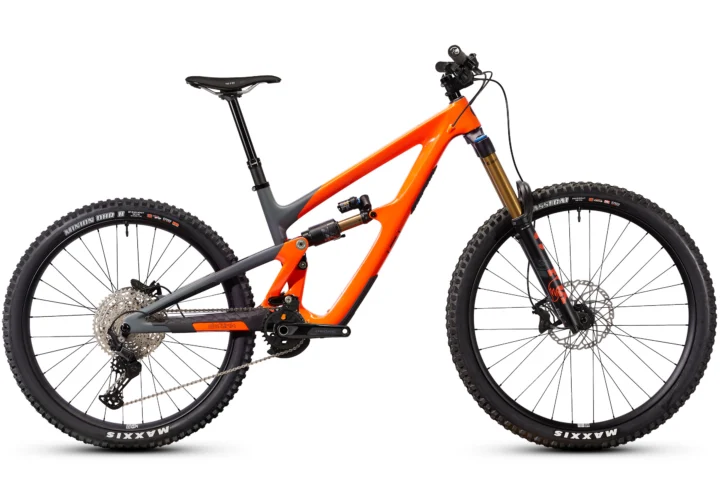
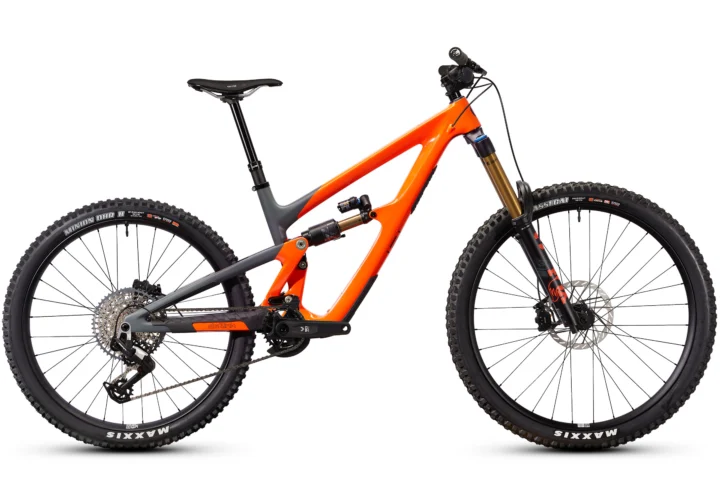
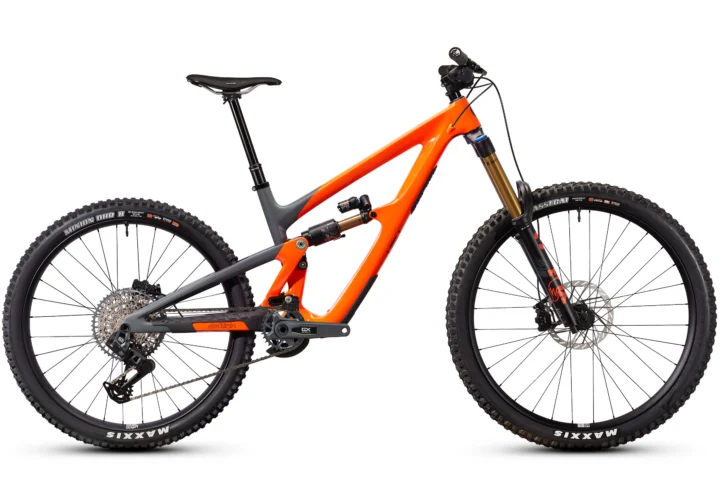
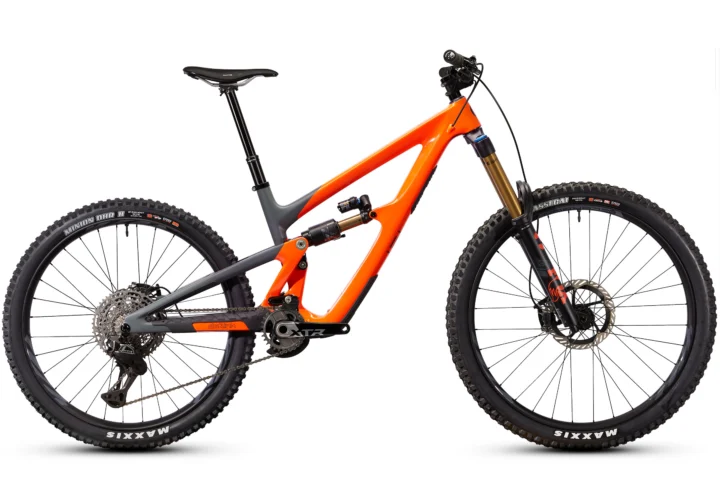
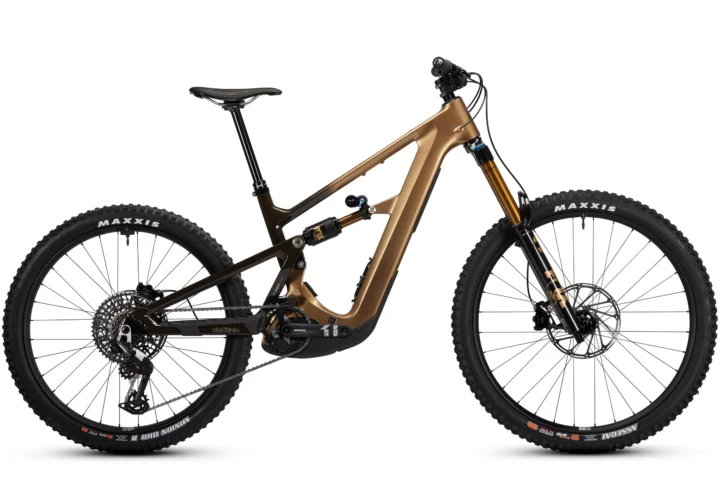
2026 Ibis Ripley SL XT Di2
Original specifications: 29" wheels · geometry for 5 published sizes.
Selling this bike? Create a shareable bike record
At a glance
- Model year
- 2026
- Category
- Mountain
- Original MSRP
- $7,999.00
- Sizes
- Small (S), Medium (M), Extra medium (XM), Large (L) and Extra Large (XL)
- Colors
- Gold Rush, Raw Carbon, Tahoe Blue
- Geometry
- 5 manufacturer sizes
- In this record
- 21 specifications · 3 archived images · original MSRP · geometry
- Archive ID
- 900000182
Current retail availability
This exact model is available
Competitive Cyclist currently lists a 2026 Ibis Ripley SL XT Di2 matching this Archive record. Available sizes, colors and prices can change.
$7,999.00
View this bike at Competitive Cyclist
Affiliate link · Velopedia may earn a commission. Retail relationships do not influence Archive data or analysis.
Original buildCarbon Fiber · 29"
Frameset
| Frame Construction | Carbon Fiber Monocoque, Made in USA |
|---|---|
| Frame Material | Carbon Fiber |
| Fork | Fox Factory 34SL, Grip SL, 130mm |
| Rear Shock | Fox Factory Float SL, 210x50mm |
Drivetrain
| Shifters | Shimano XT Di2 Shift Switch |
|---|---|
| Rear Derailleur | Shimano XT Di2 SGS |
| Crankset | Shimano XT M8200 30T Alloy RingS–M: 165mm, XM–XL: 170mm |
| Bottom Bracket | Shimano XT |
| BB Shell Width | 73 mm |
| Cassette | Shimano XT 10-51T |
| Chain | Shimano XT |
Brakes
| Brakes | Shimano XT M8220 4-Piston; Rotors: Shimano RT-86 IceTech F: 180 / R: 180 |
|---|
Cockpit & Contact Points
| Headset | Cane Creek 50 IS41/IS52 |
|---|---|
| Handlebar | Blackbird 35 Carbon Riser Bar 800mm |
| Stem | BLKBRD StemS–M: 35mm, XM–XL: 50mm |
| Saddle | WTB Silverado Fusion CrMo 142 |
| Seatpost | BikeYoke Revive 31.6mmS: 125mm, M: 160mm, XM: 185mm, L–XL: 213mm |
Wheels & Tires
| Wheels | Ibis 933 Aluminum Rims, Blackbird Hubs |
|---|---|
| Front Tire | Continental Magnotal, 29x2.4, Trail Soft |
| Rear Tire | Continental Dubnital, 29x2.4, Trail Grip |
| Wheel Size | 29" |
Geometry
Frame measurements by size.
Published frame view
Size
Measurement
Measurement
—
Select an available measurement to locate it on the frame.
All geometry measurements5 sizes · 13 measurements
| Measurement | SM | MD | XM | LG | XL |
|---|---|---|---|---|---|
| Seat tube | 377 mm | 403 mm | 410 mm | 438 mm | 470 mm |
| Top tube | 577 mm | 607 mm | 632 mm | 652 mm | 677 mm |
| Head tube | 85 mm | 90 mm | 112 mm | 125 mm | 140 mm |
| Head-tube angle | 66° | 66° | 66° | 66° | 66° |
| Seat-tube angle | 74.3° | 74.5° | 74.8° | 75° | 75.3° |
| Chainstay / rear center | 432 mm | 434 mm | 436 mm | 438 mm | 440 mm |
| Wheelbase | 1130 mm | 1170 mm | 1201 mm | 1228 mm | 1263 mm |
| Bottom-bracket drop | 42 mm | 39 mm | 36 mm | 32 mm | 29 mm |
| Bottom-bracket height | 329 mm | 332 mm | 335 mm | 339 mm | 342 mm |
| Reach | 407 mm | 440 mm | 463 mm | 484 mm | 509 mm |
| Stack | 597 mm | 599 mm | 617 mm | 625 mm | 635 mm |
| Standover height | 710 mm | 727 mm | 732 mm | 737 mm | 752 mm |
| Crank length | 165 mm | 165 mm | 170 mm | 170 mm | 170 mm |
Measurements may vary by configuration, wheel size, or frame setting where noted in the published chart.
Gearing
Lower ratios provide more mechanical advantage for climbing. Higher ratios turn the rear wheel farther with each crank revolution.
Parts & serviceability
Find replacement parts
Continental Magnotal, 29x2.4, Trail Soft
Retailer offers · Affiliate links
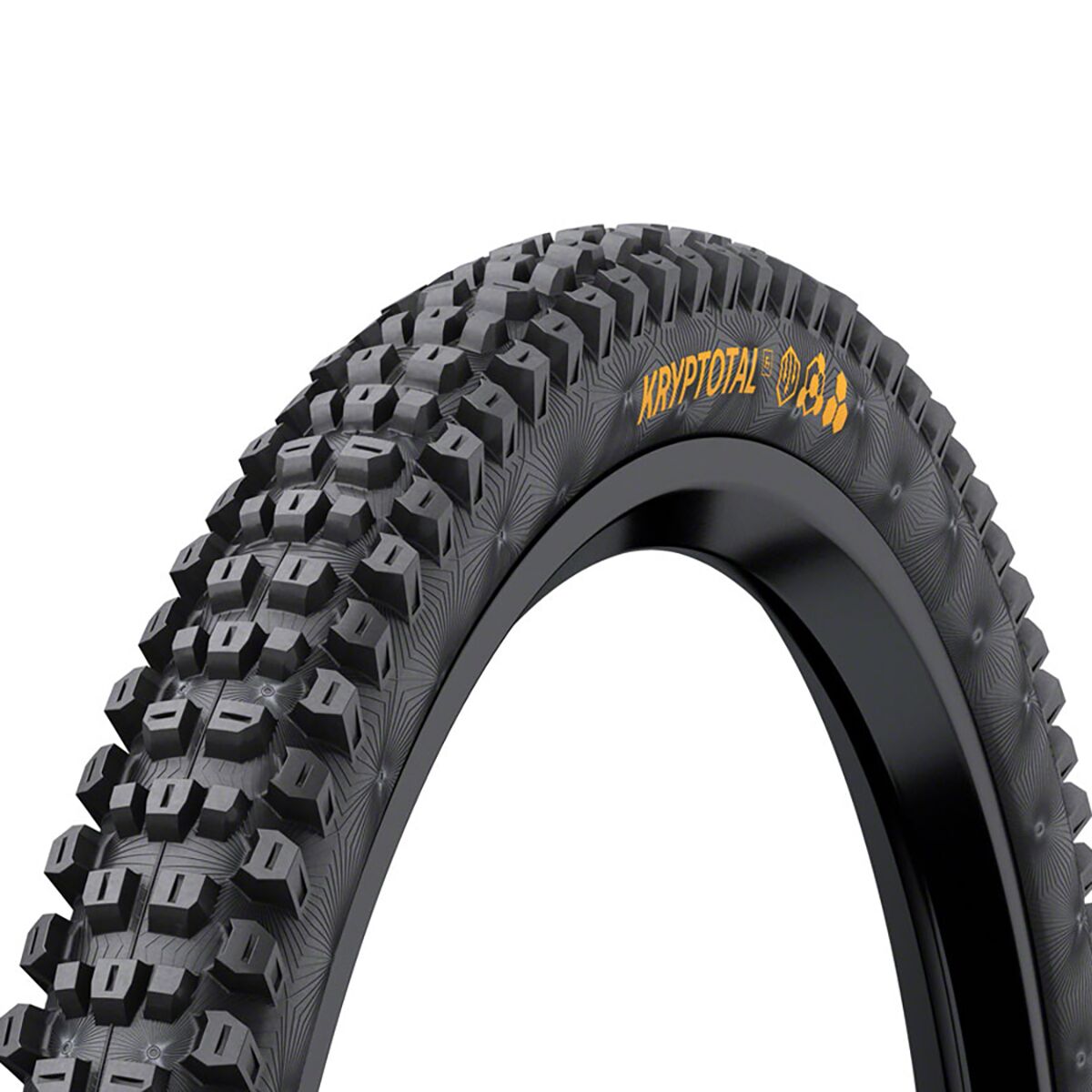
Continental Kryptotal-F 29in Tire Black, Folding, Soft, Trail Casing, E25, 29x2.4
29x2.4
Replacement option · verify fit
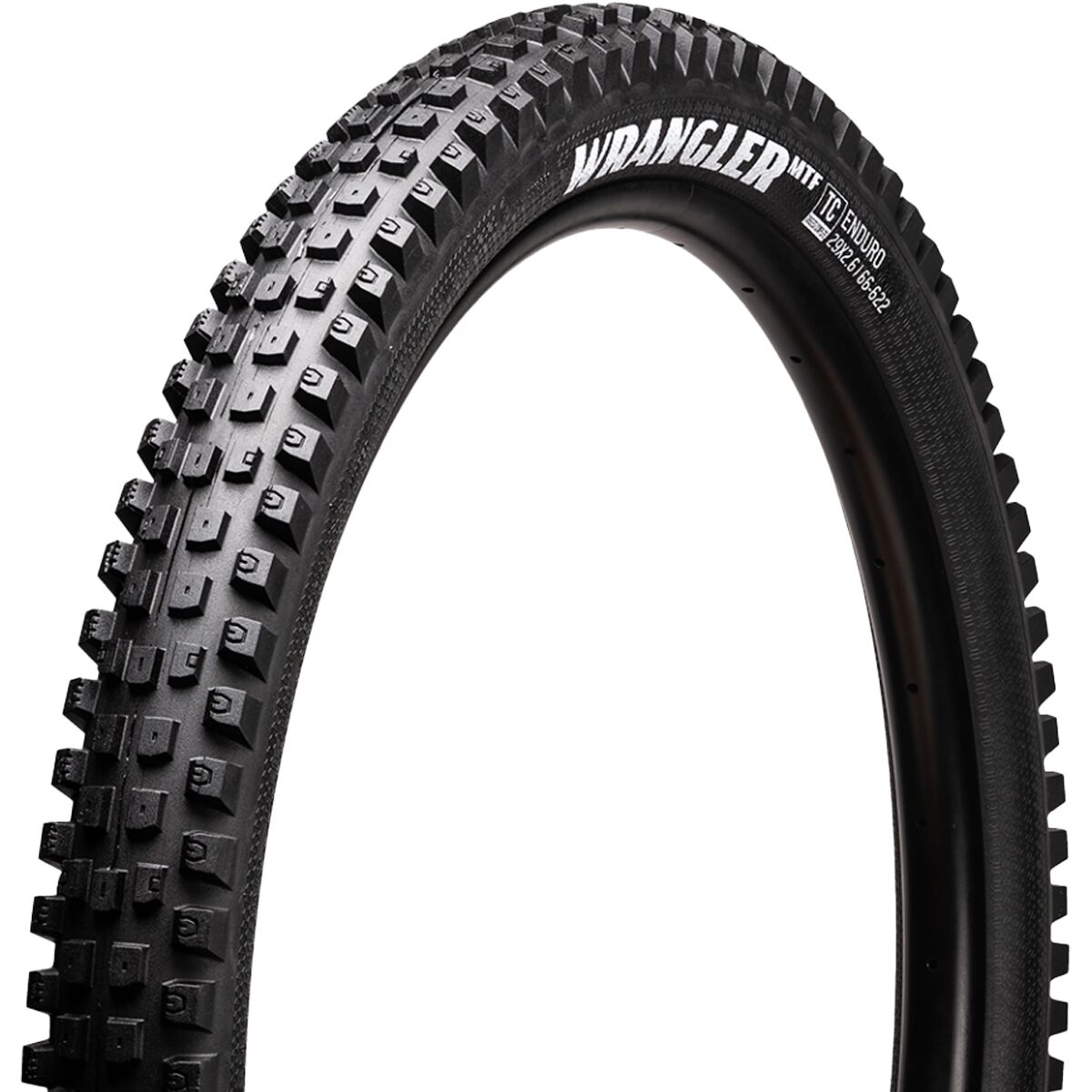
Goodyear Wrangler MTF 29in Tubeless Tire Black, 29x2.4
29x2.4
Replacement option · verify fit
Continental Dubnital, 29x2.4, Trail Grip
Retailer offers · Affiliate links
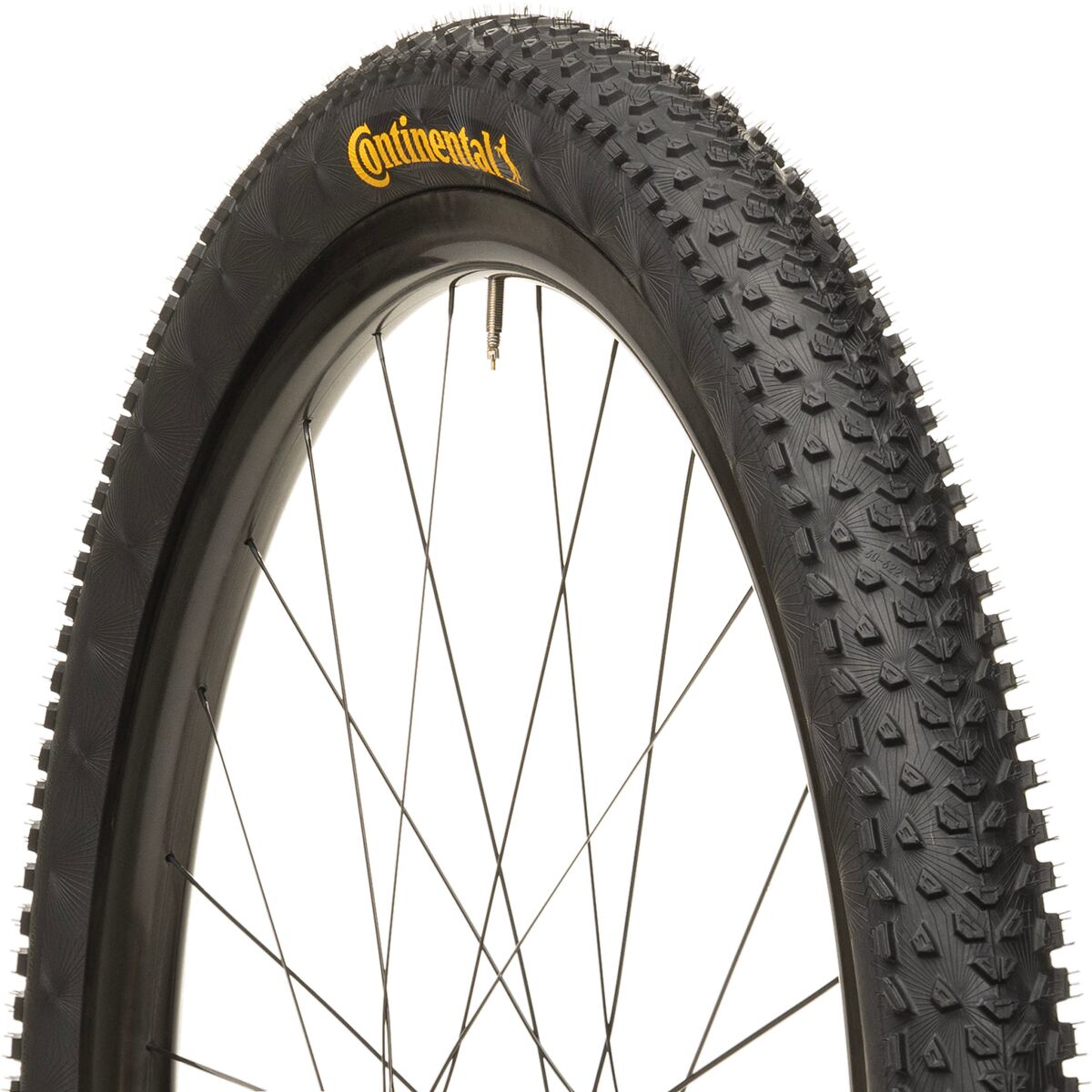
Continental Dubnital Tubeless 29in Tire Black,Folding,Rapid,Trail Casing,E25, 29x2.4
29x2.4
Replacement option · verify fit
Shimano XT
More parts (4)
WTB Silverado Fusion CrMo 142
Retailer offers · Affiliate links
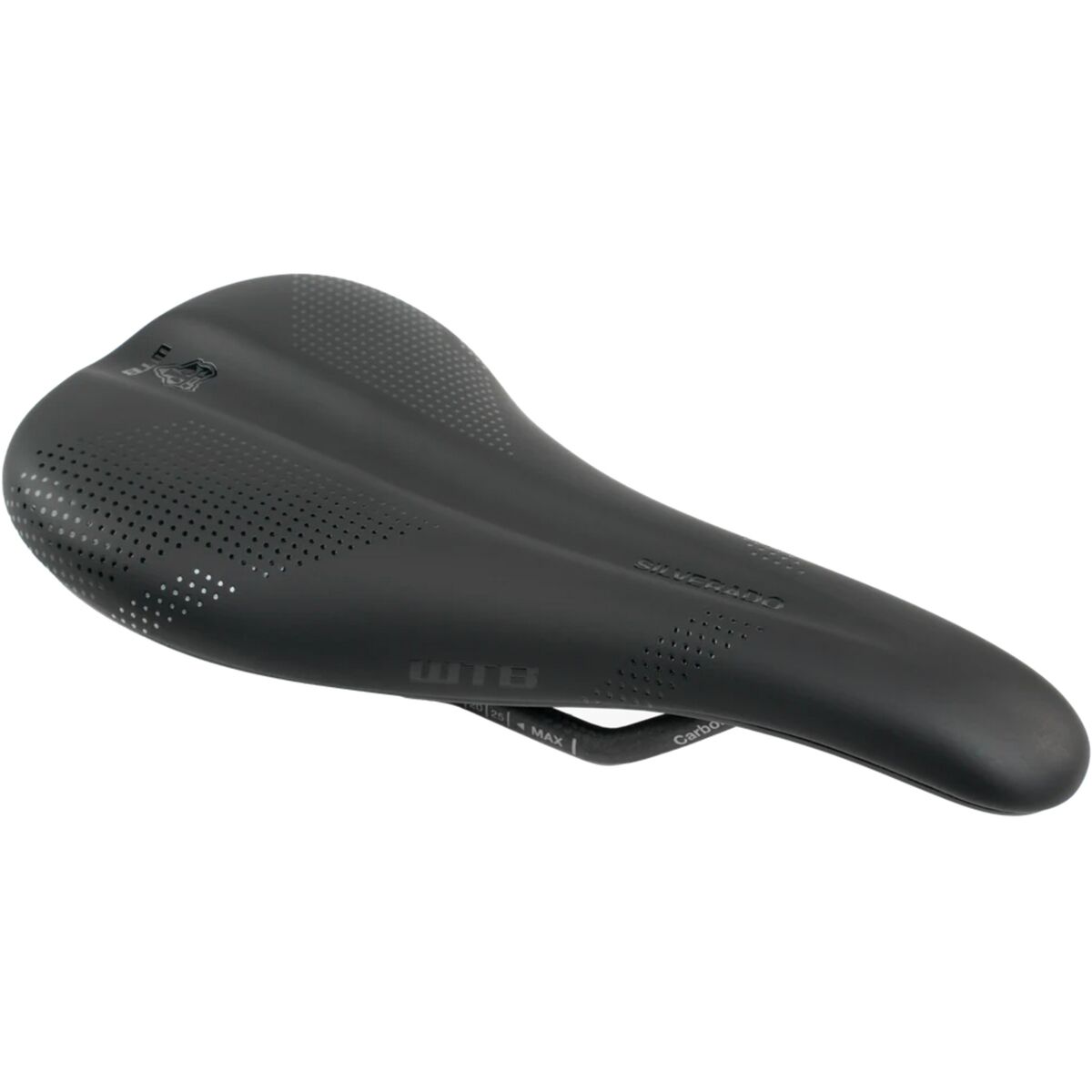
WTB Silverado 265 Fusion Form Carbon Saddle Black, Medium
Medium
Shimano XT M8200 30T Alloy RingS–M: 165mm, XM–XL: 170mm
Shimano XT Di2 SGS
Shimano XT Di2 Shift Switch
Based on the original build. Confirm the model, size and fit before ordering; installed parts may differ. As an Amazon Associate I earn from qualifying purchases. Velopedia may also earn from qualifying eBay purchases. Velopedia may also earn from qualifying retailer purchases.
Bike-specific inspection checklist 22 checks based on 6 archived component groups Open checklistClose checklist
This checklist uses the archived equipment for this bike. It cannot confirm the condition, service history or later component changes of the example in front of you.
Identity and fit
Follow the full used-bike inspection order →Archived: 2026 Ibis Ripley SL XT Di2 · Mountain · Published sizes: Small (S), Medium (M), Extra medium (XM), Large (L) and Extra Large (XL)
Frame and fork
Inspect the frame and fork →Archived: Frame: Carbon Fiber Monocoque, Made in USA · Fork: Fox Factory 34SL, Grip SL, 130mm
Suspension
Evaluate the suspension →Archived: Fork: Fox Factory 34SL, Grip SL, 130mm · Rear shock: Fox Factory Float SL, 210x50mm
Drivetrain
Check drivetrain wear →Archived: Shifters: Shimano XT Di2 Shift Switch · Rear derailleur: Shimano XT Di2 SGS · Crankset: Shimano XT M8200 30T Alloy RingS–M: 165mm, XM–XL: 170mm · Bottom bracket: Shimano XT · Cassette: Shimano XT 10-51T · Chain: Shimano XT
Brakes
Inspect the brakes →Archived: Brakes: Shimano XT M8220 4-Piston; Rotors: Shimano RT-86 IceTech F: 180 / R: 180
Wheels and tires
Check wheels and tires →Archived: Wheel size: 29" · Wheels: Ibis 933 Aluminum Rims, Blackbird Hubs · Front tire: Continental Magnotal, 29x2.4, Trail Soft · Rear tire: Continental Dubnital, 29x2.4, Trail Grip
Controls and contact points
Archived: Headset: Cane Creek 50 IS41/IS52 · Handlebar: Blackbird 35 Carbon Riser Bar 800mm · Stem: BLKBRD StemS–M: 35mm, XM–XL: 50mm · Seatpost: BikeYoke Revive 31.6mmS: 125mm, M: 160mm, XM: 185mm, L–XL: 213mm · Saddle: WTB Silverado Fusion CrMo 142
Before and during the test ride
Follow the full used-bike inspection order →Have you owned this bike?Help preserve its real-world history by sharing your owner experience.
Share the details that would help another rider understand how this model fits, rides and holds up over time. Velopedia reviews every contribution before publication.
Already contributed? Send me a fresh private edit link
For privacy, Velopedia shows the same confirmation whether or not an experience exists.
Gallery3 images

Specifications are presented as a reference. Components may vary by market, size, production run, or later manufacturer revisions.