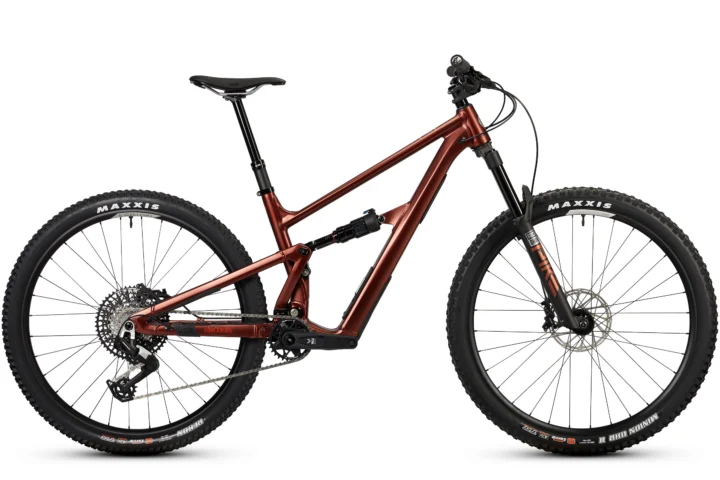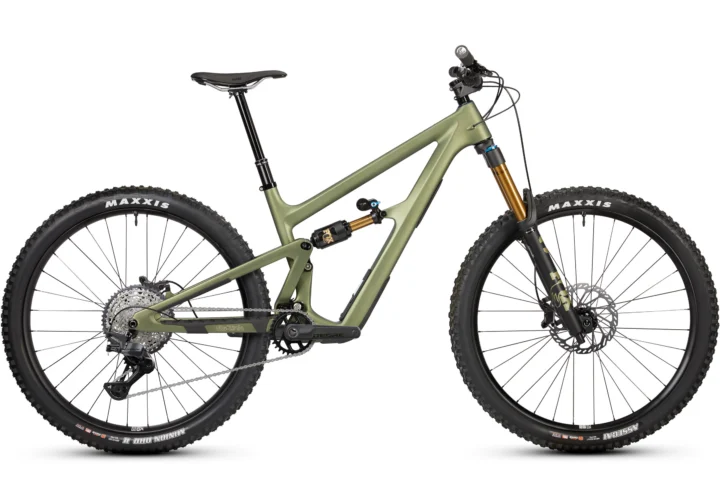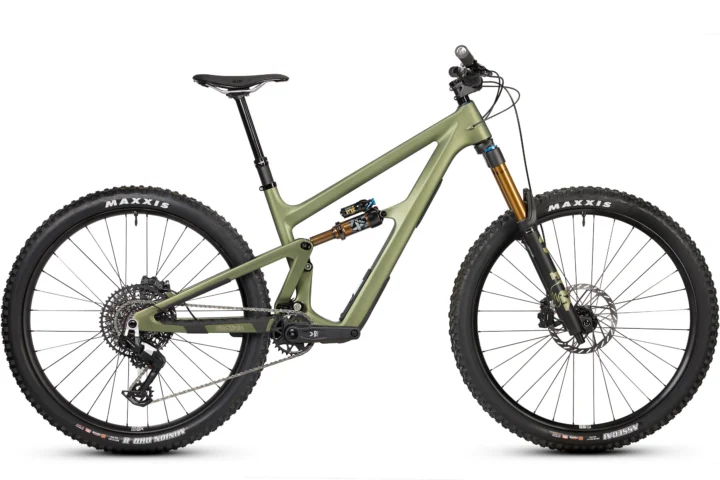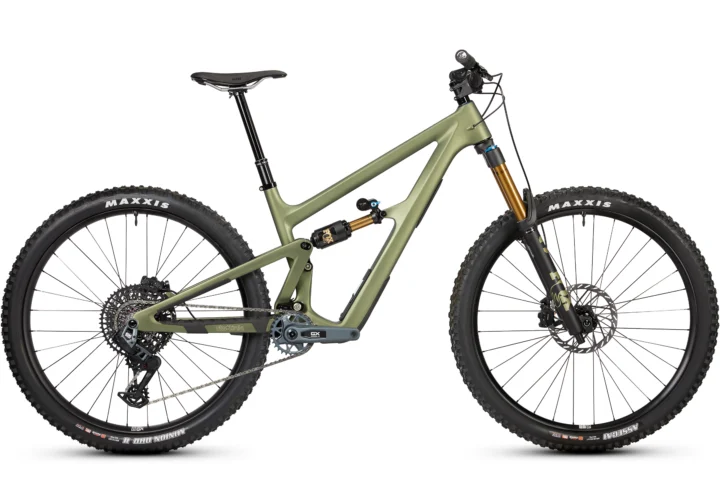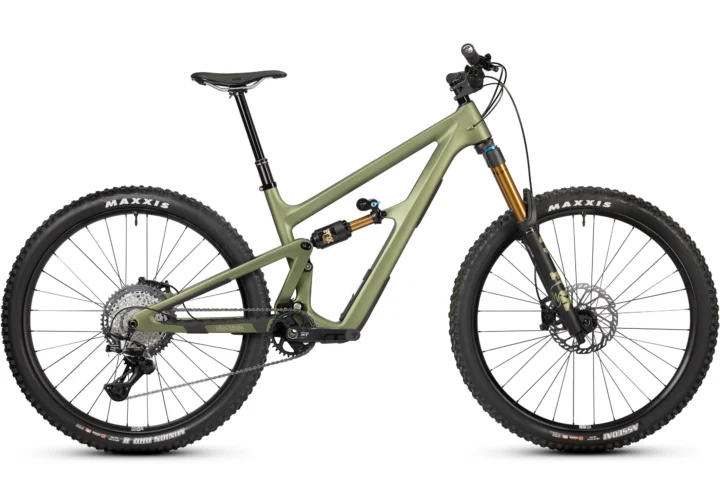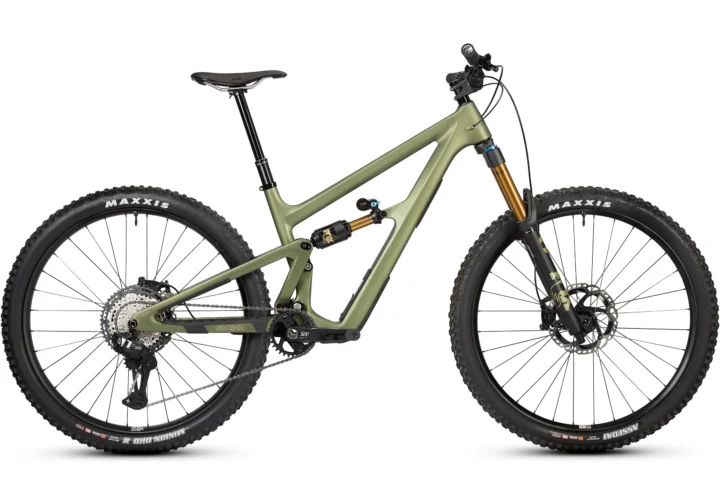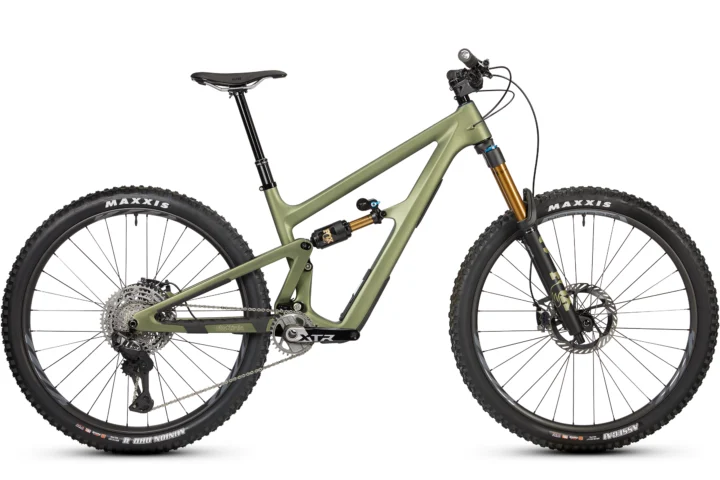
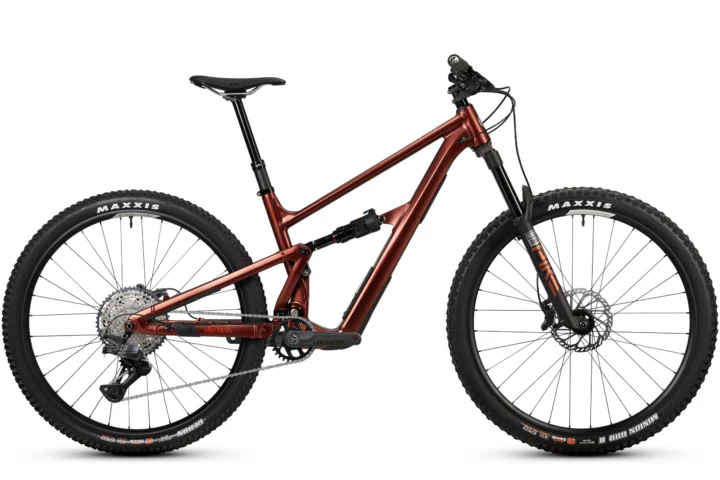
2026
Ripley AF Deore
Original MSRP $3,999.00
Velopedia Brand Reference
Known for their carbon frame, expertise, progressive suspension designs, and playful geometry.

Velopedia Bicycle Archive
Model years 1993–2026
Company overview
Ibis Cycles is a mountain-bike-focused company best known for carbon and aluminum trail bikes built around the DW-Link suspension layout. Its current range runs from lightweight hardtails and short-travel cross-country bikes to enduro machines and full-power electric mountain bikes, with one gravel platform and a separate line of wheels and rims.
The brand sits primarily in the enthusiast and premium portions of the market. Carbon models receive much of the attention, but the Ripley AF and Ripmo AF bring the same basic suspension concepts to less expensive aluminum frames. Riders may consider Ibis for its focused model range, detailed setup information and unusually broad fit options within several of its core platforms.
The tradeoff is specialization. Ibis does not offer the road, commuter or recreational breadth of a large general-purpose bike company, and most of its catalog consists of suspension bikes that require careful setup and periodic linkage, shock and fork service.
The current Ibis range is concentrated in these categories:
DW-Link is the common thread through Ibis’s full-suspension lineup. The linkage uses two short counter-rotating links, allowing Ibis to tune pedaling behavior and suspension movement through pivot placement. The company also specifies lighter-damped Traction Tune rear shocks for its suspension bikes rather than relying solely on standard aftermarket shock tunes.
That matters when replacing or upgrading a shock. Matching eye-to-eye length and stroke is only the first step; mounting hardware, reservoir clearance and damping tune also need attention. An off-the-shelf shock may physically fit without duplicating the behavior of the original unit.
Several newer Ibis models use five frame sizes, including an Extra-Medium between Medium and Large. Geometry and, on some platforms, chainstay length, suspension kinematics or bottom-bracket height change with frame size. The additional option is useful for riders who commonly fall between sizes, but it makes comparing an Ibis with another brand’s medium or large less straightforward. Effective top-tube length, reach, seat angle and intended riding position should be considered together.
Current Ripley, Ripmo and AF frames also use flip chips to support 29-inch or mixed 29/27.5-inch wheel configurations. The smaller rear wheel can increase clearance and change how readily the bike moves through tight terrain, while dual 29-inch wheels generally preserve rollover ability. The flip chip must be placed in the correct orientation; simply installing a different rear wheel without changing the frame setting can alter geometry and clearance.
Identify the model generation before ordering parts. Ripley, Ripmo and their AF variants have changed shock dimensions, seatpost diameters, hangers, chainlines and linkage hardware over time. Current versions use several service-friendly standards, including threaded bottom brackets and SRAM UDH hangers, but those specifications should not be assumed for older bikes.
Check dropper-post insertion carefully, especially if choosing between overlapping sizes. Ibis publishes frame-specific insertion tables because nominal post travel does not indicate how low the saddle will sit. Riders considering a mixed-wheel conversion should also verify tire clearance at full suspension compression.
Internal STOW storage is useful on equipped models, but its doors, latches and bags are model-specific items. Oso buyers face additional compatibility questions involving the Bosch system and the parts required for different travel configurations. Converting among Oso S, TR and HD setups should be planned using the applicable support guide rather than treated as a simple shock swap.
Ibis is most likely to suit a rider who wants a deliberately tuned mountain bike, values suspension setup and appreciates having carbon and aluminum versions of similar trail platforms. Someone seeking a basic utility bike, a broad road range or the simplest possible suspension maintenance will be better served elsewhere.
Historical specifications