
Lowest0.90:1
Highest3.45:1
Total range382%
Velopedia Bicycle Archive
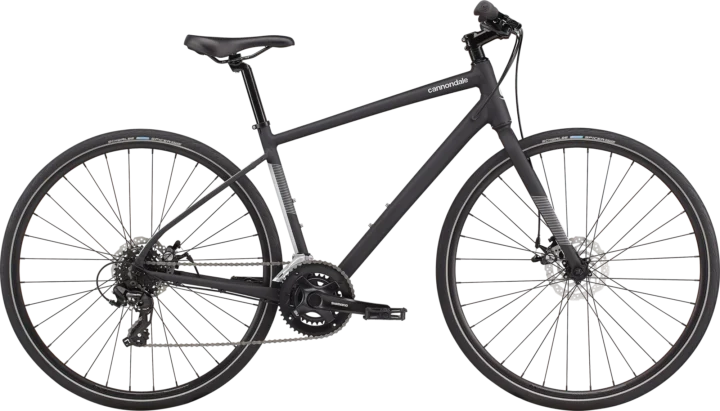
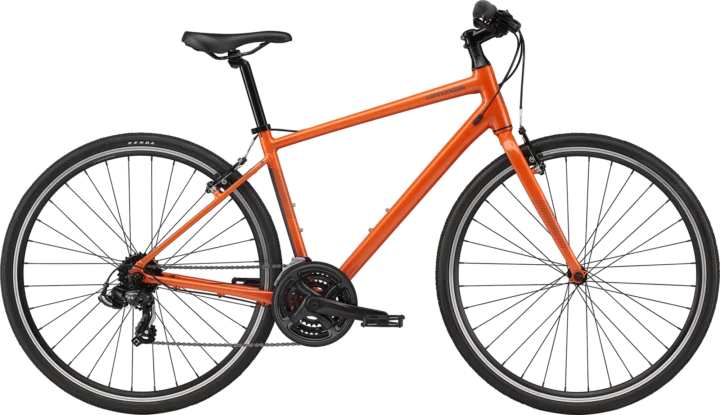
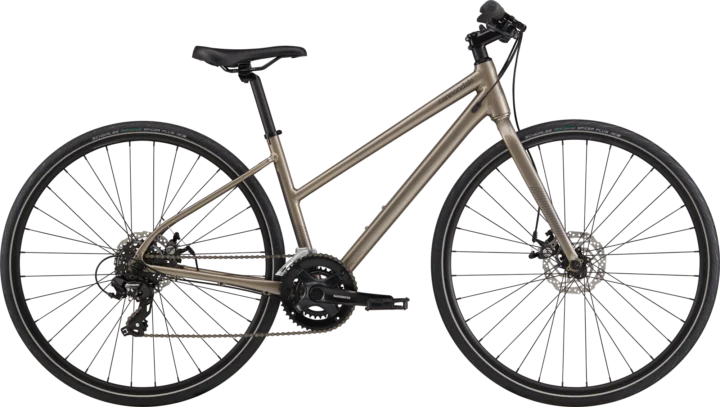
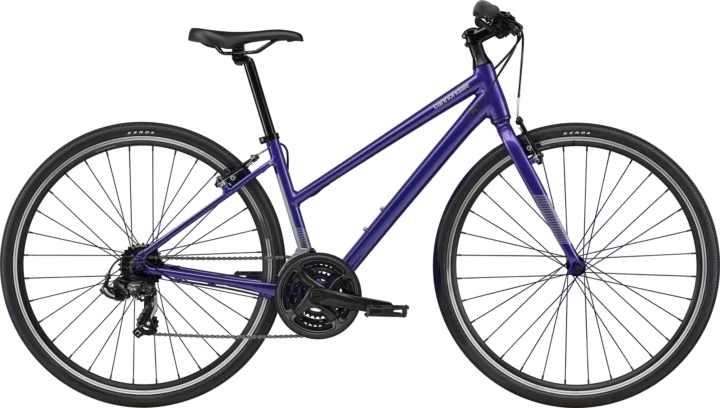
2021 Cannondale Treadwell 2 Ltd
Original specifications: 27.5 wheels · geometry for 3 published sizes.
Selling this bike? Get the spec link and selling options
At a glance
- Model year
- 2021
- Category
- Hybrid
- Original MSRP
- $1,000.00
- Sizes
- S, M, L
- Colors
- Raw
- Geometry
- 3 manufacturer sizes
- In this record
- 22 specifications · archived image · original MSRP · geometry
- Archive ID
- 900001044
Original buildAluminum · 27.5
Frameset
| Frame Construction | SmartForm C3 Alloy, Ride-Easy low-standover geometry, Straightshot hidden cable routing, Urban Armor frame bumpers, flat mount disc, rack/fender mounts |
|---|---|
| Frame Material | Aluminum |
| Fork | SmartForm C3 Alloy blades, 1-1/8" steerer, OutFront offset, flat mount disc, mid-blade rack/fender mounts |
| Fork Material | Aluminum |
Drivetrain
| Shifters | microSHIFT Advent, 9-speed |
|---|---|
| Rear Derailleur | microSHIFT Advent |
| Crankset | Prowheel, 38T |
| Bottom Bracket | Cartridge, square taper |
| Rear Cogs | microSHIFT, 11-42, 9-speed |
| Chain | KMC X9, 9-speed |
Brakes
| Brakes | Brakes Tektro HD-R28 hydraulic disc, 160/140mm rotors Brake Levers Tektro hydraulic disc |
|---|
Cockpit & Contact Points
| Headset | Semi-Integrated |
|---|---|
| Handlebar | Cannondale Cruise Control riser, 6061 Alloy, 31.8mm, 15° back, 740mm |
| Stem | Cannondale 3 with Intellimount, Alloy, 31.8mm clamp |
| Saddle | Cannondale Treadwell, 170mm, steel rails |
| Seatpost | 6061 Alloy, 31.6x350mm |
Wheels & Tires
| Hubs | (F) Sealed Alloy Disc, 5mm Hex Security QR / (R) Sealed Alloy Disc, 5mm Hex Security QR |
|---|---|
| Rims | Cannondale, double wall, 32h |
| Spokes | Stainless Steel, 14g |
| Front Tire | Maxxis DTR-1, 650bx47c |
| Rear Tire | Maxxis DTR-1, 650bx47c |
| Wheel Size | 27.5 |
Geometry
Frame measurements by size.
Frame diagram
Size
Measurement
Measurement
—
Select an available measurement to locate it on the frame.
All geometry measurements3 sizes · 15 measurements
| Measurement | S | M | L |
|---|---|---|---|
| Seat tube | 387 mm | 450 mm | 513 mm |
| Effective top tube | 557 mm | 579 mm | 600 mm |
| Head tube | 135 mm | 165 mm | 196 mm |
| Head-tube angle | 70.5° | 71° | 71° |
| Seat-tube angle | 71° | 71° | 71° |
| Chainstay / rear center | 460 mm | 460 mm | 460 mm |
| Wheelbase | 1059 mm | 1076 mm | 1097 mm |
| Bottom-bracket drop | 64 mm | 64 mm | 64 mm |
| Bottom-bracket height | 280 mm | 280 mm | 280 mm |
| Reach | 368 mm | 379 mm | 390 mm |
| Stack | 550 mm | 580 mm | 610 mm |
| Standover height | 665 mm | 709 mm | 747 mm |
| Fork offset / rake | 55 mm | 55 mm | 55 mm |
| Front center | 601 mm | 618 mm | 639 mm |
| Trail | 63 mm | 60 mm | 60 mm |
Dimensions as recorded.
Gearing
Lower gears help on climbs. Higher gears suit higher speeds.
RPM
RPM = pedal turns per minute.
Speed unavailable: wheel or tire size is missing or unclear.
How it works
Ratio = front teeth ÷ rear teeth. Hub gears also include the hub’s internal ratio. A 400% range means the highest ratio is four times the lowest.
Speeds are estimates from tire size and pedal cadence. Actual speeds vary.
Parts & serviceability
Find replacement parts
KMC X9, 9-speed
microSHIFT, 11-42, 9-speed
Maxxis DTR-1, 650bx47c
Retailer offers · Affiliate links
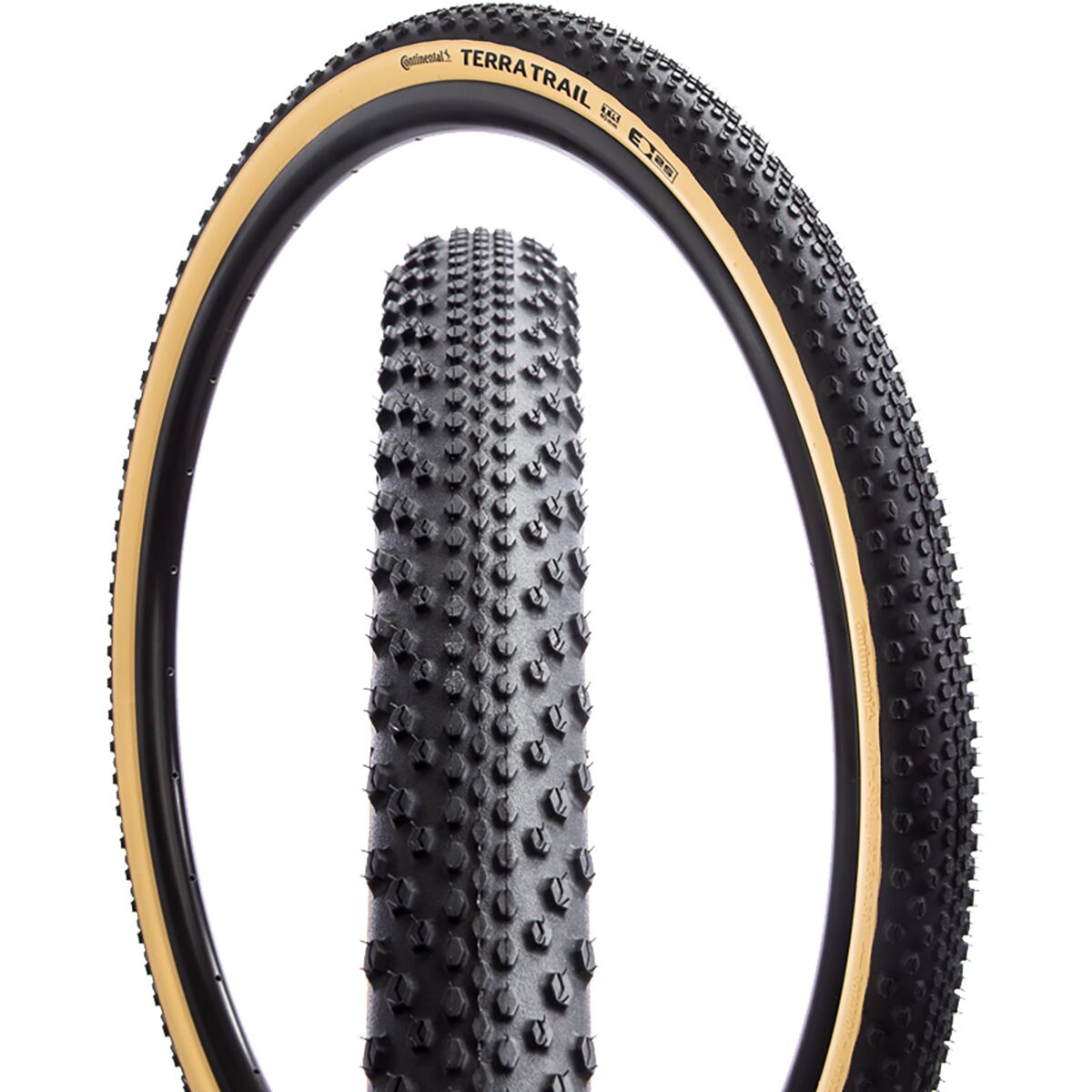
Continental Terra Trail 650b Tubeless ShieldWall Tire Black/Cream, PureGrip, System, 650bx47
650bx47
Replacement option · verify fit
More parts (4)
Brakes Tektro HD-R28 hydraulic disc, 160/140mm rotors Brake Levers Tektro hydraulic disc
microSHIFT Advent
Search: microSHIFT ADVENT 9-speed rear derailleur
microSHIFT Advent, 9-speed
Search: microSHIFT Advent, 9-speed shifter
6061 Alloy, 31.6x350mm
Retailer offers · Affiliate links
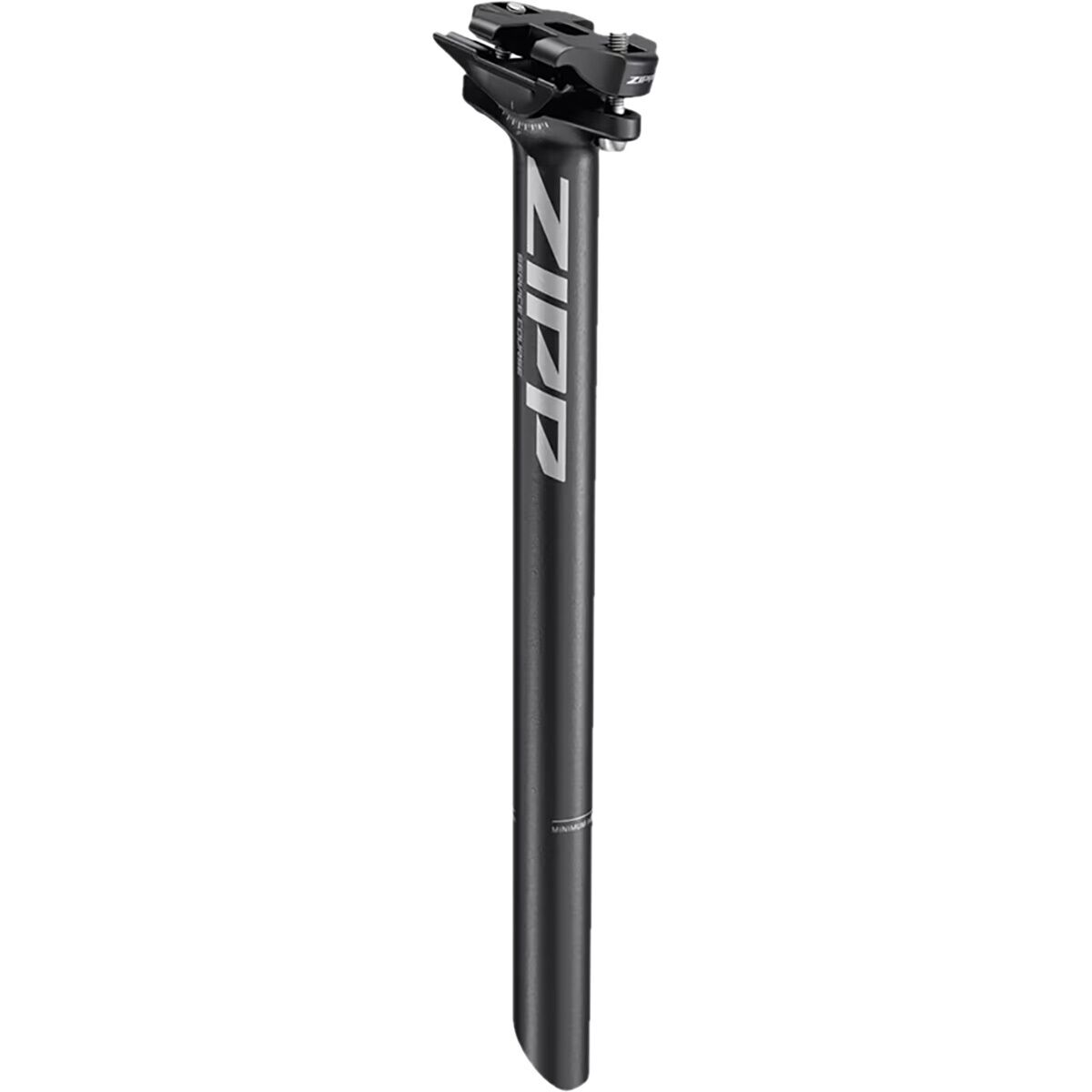
Zipp Service Course B2 Seatpost Black/0mm Setback, 31.6x350mm
31.6x350mm
Replacement option · verify fit
Based on the original build. Confirm the model, size and fit before ordering; installed parts may differ. As an Amazon Associate I earn from qualifying purchases. Velopedia may also earn from qualifying eBay purchases. Velopedia may also earn from qualifying retailer purchases.
Bike-specific inspection checklist 19 checks based on 5 archived component groups Open checklistClose checklist
This checklist uses the archived equipment for this bike. It cannot confirm the condition, service history or later component changes of the example in front of you.
Identity and fit
Follow the full used-bike inspection order →Archived: 2021 Cannondale Treadwell 2 Ltd · Hybrid · Published sizes: S, M, L
Frame and fork
Inspect the frame and fork →Archived: Frame: SmartForm C3 Alloy, Ride-Easy low-standover geometry, Straightshot hidden cable routing, Urban Armor frame bumpers, flat mount disc, rack/fender mounts · Fork: SmartForm C3 Alloy blades, 1-1/8" steerer, OutFront offset, flat mount disc, mid-blade rack/fender mounts · Aluminum
Drivetrain
Check drivetrain wear →Archived: Shifters: microSHIFT Advent, 9-speed · Rear derailleur: microSHIFT Advent · Crankset: Prowheel, 38T · Bottom bracket: Cartridge, square taper · Rear cogs: microSHIFT, 11-42, 9-speed · Chain: KMC X9, 9-speed
Brakes
Inspect the brakes →Archived: Brakes: Brakes Tektro HD-R28 hydraulic disc, 160/140mm rotors Brake Levers Tektro hydraulic disc
Wheels and tires
Check wheels and tires →Archived: Wheel size: 27.5 · Rims: Cannondale, double wall, 32h · Hubs: (F) Sealed Alloy Disc, 5mm Hex Security QR / (R) Sealed Alloy Disc, 5mm Hex Security QR · Front tire: Maxxis DTR-1, 650bx47c · Rear tire: Maxxis DTR-1, 650bx47c
Controls and contact points
Archived: Headset: Semi-Integrated · Handlebar: Cannondale Cruise Control riser, 6061 Alloy, 31.8mm, 15° back, 740mm · Stem: Cannondale 3 with Intellimount, Alloy, 31.8mm clamp · Seatpost: 6061 Alloy, 31.6x350mm · Saddle: Cannondale Treadwell, 170mm, steel rails
Before and during the test ride
Follow the full used-bike inspection order →Have you owned this bike?Help preserve its real-world history by sharing your owner experience.
Share the details that would help another rider understand how this model fits, rides and holds up over time. Velopedia reviews every contribution before publication.
Already contributed? Send me a fresh private edit link
For privacy, Velopedia shows the same confirmation whether or not an experience exists.
Checking current listings…
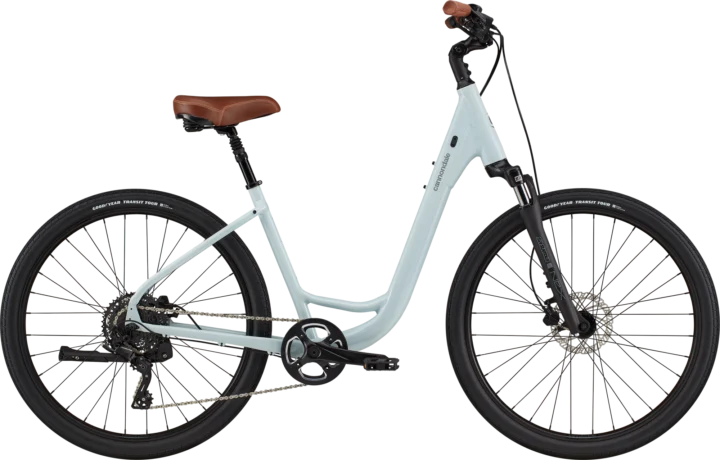
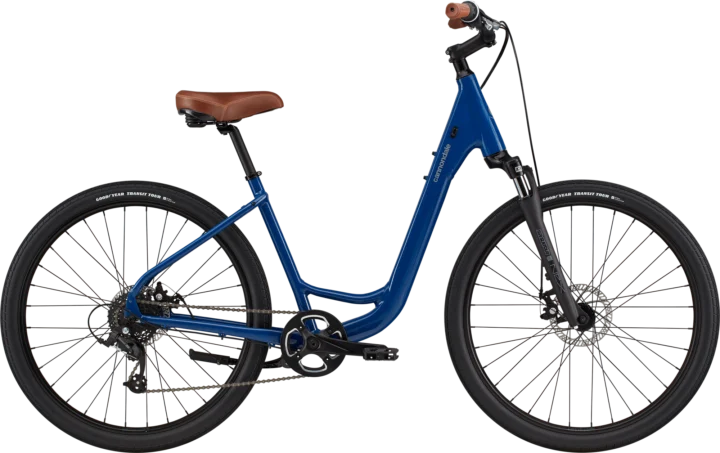
Specifications are presented as a reference. Components may vary by market, size, production run, or later manufacturer revisions.