2026
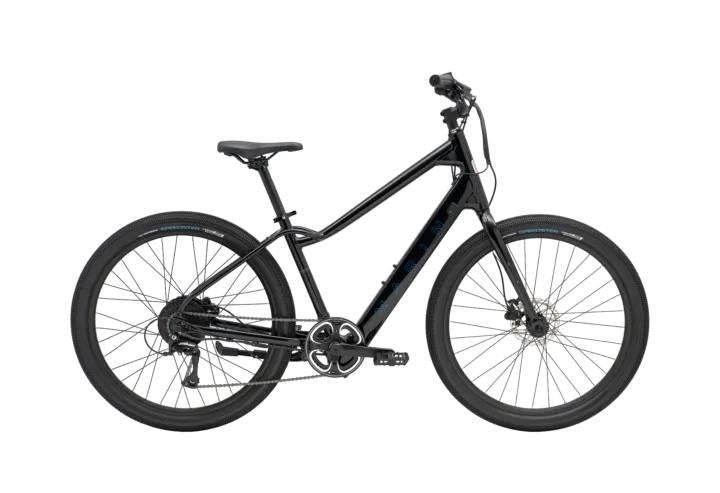
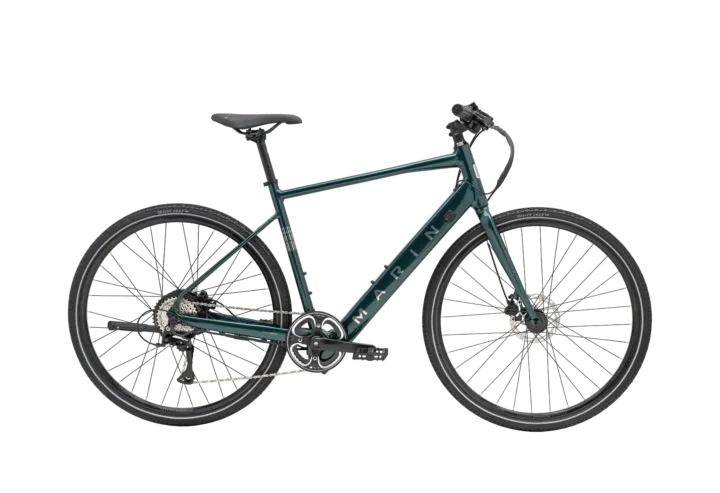
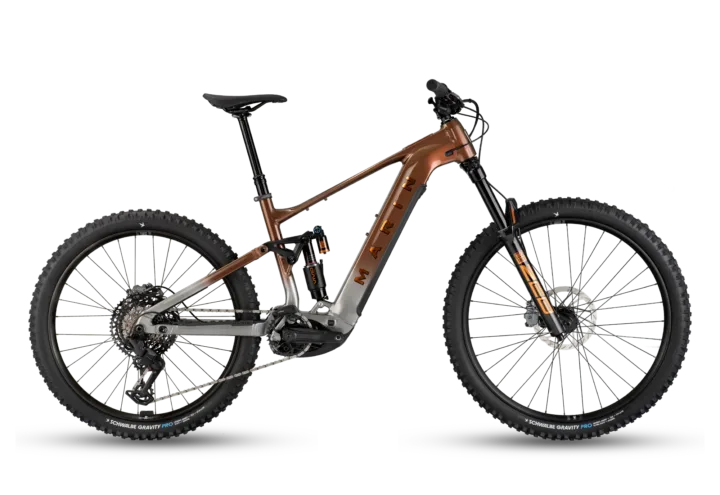
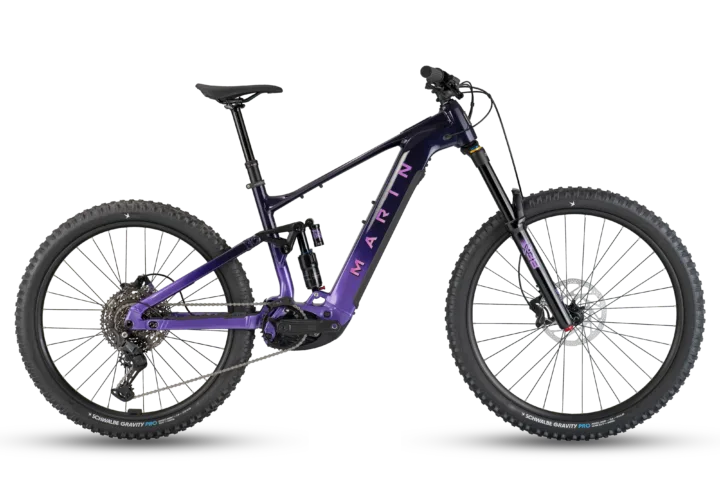
Fairfax E ST
Original MSRP $1,899.00
Velopedia Brand Reference
Marin is a California bicycle brand with a range that extends far beyond the mountain bikes on which its reputation was built. Its current catalog covers downhill, enduro, trail, cross-country, dirt-jump, gravel, adventure, fitness, transit, comfort, electric, and youth bicycles.

Velopedia Bicycle Archive
Model years 1993–2026
Company overview
Marin is a California bicycle brand with a range that extends far beyond the mountain bikes on which its reputation was built. Its current catalog covers downhill, enduro, trail, cross-country, dirt-jump, gravel, adventure, fitness, transit, comfort, electric, and youth bicycles.
The lineup is unusually broad in both purpose and price. Marin sells accessible recreational hardtails and commuters alongside advanced full-suspension, electric, and carbon gravel models. Most bikes use recognizable components from major suppliers, while the frames introduce model-specific suspension parts, internal routing, adjustable geometry, and other features as the price and intended use increase.
Marin makes the most sense for riders who want contemporary geometry and practical specifications without automatically moving into boutique-brand pricing. The breadth of the range is also its main shopping challenge: two Marin bikes at similar prices can be designed for entirely different terrain, riding positions, and ownership needs.
Marin’s current range includes:
Marin uses aluminum, carbon fiber, and chromoly steel across its range. The company’s Series labels identify different levels of frame construction within a material category. A Series 1 aluminum frame generally uses simpler tubing and standards than a Series 3 or Series 4 design, while higher-tier aluminum frames may receive more extensive butting, forming, machining, internal routing, and forged frame hardware.
These labels are useful, but they are not model years and should not be treated as a complete quality ranking. A Series 2 steel touring frame and a Series 3 aluminum trail frame serve different purposes. Component level can also change without changing the underlying frame, so buyers should compare the complete specification rather than choosing from the Series number alone.
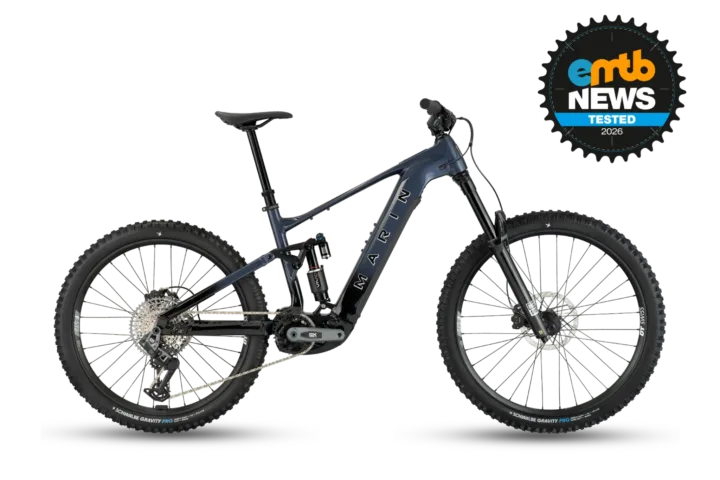
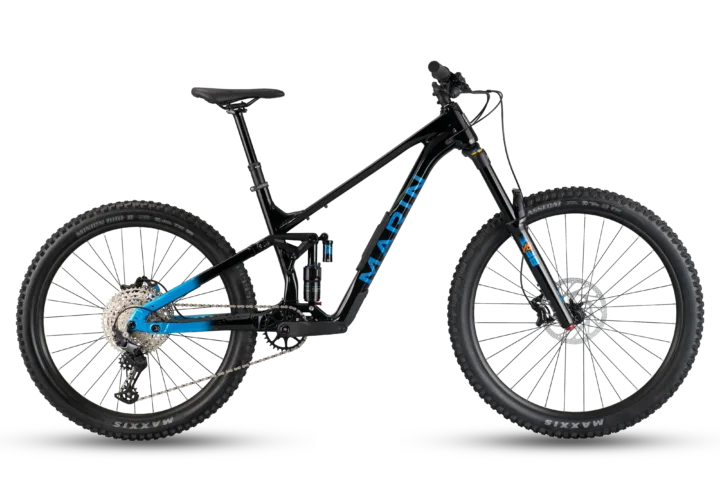
Marin’s full-suspension range is similarly varied. Rift Zone models use the MultiTrac platform for general trail riding. Alpine Trail bikes increase travel and add more aggressive geometry, while the Quake uses a longer-travel MultiTrac 2 arrangement for downhill and bike-park riding. The short-travel Tam uses Marin’s IsoTrac system instead. Travel, shock size, wheel configuration, linkage parts, and geometry adjustments are therefore specific to the platform and generation.
Recent performance models also demonstrate how far Marin has moved beyond basic value bikes. Selected Alpine Trail and Quake frames include adjustable geometry, mixed-wheel or full-29-inch compatibility, modern derailleur-mount standards, and integrated storage. These features provide useful setup options, but only when the approved wheel, fork, shock, and geometry configurations are followed.
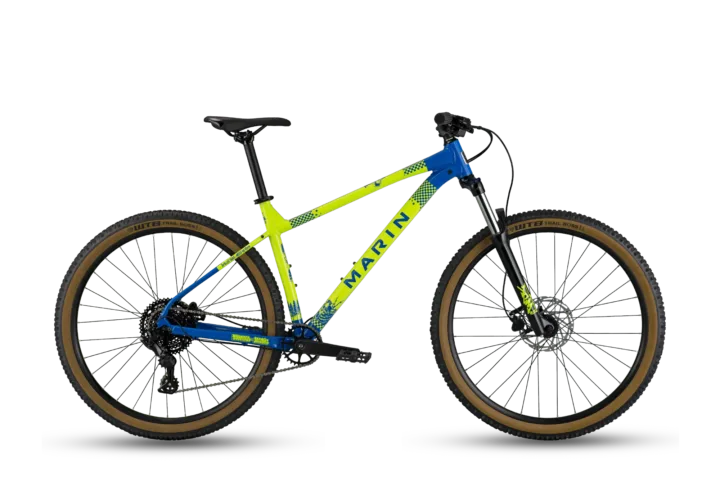
Begin with the riding category. A Rift Zone is intended as a versatile trail bike, while an Alpine Trail carries more travel and weight for rougher terrain. A Team Marin prioritizes cross-country efficiency, and a San Quentin provides a more aggressive hardtail position. Buying extra travel for smoother local trails can result in a heavier, slower bicycle without providing a meaningful benefit.
Marin’s drop-bar and adventure models also differ substantially. Headlands is the carbon gravel option. Gestalt covers more conventional aluminum gravel riding, while Gestalt X moves toward rougher terrain. DSX combines gravel-oriented frames with flat handlebars, and Four Corners uses steel construction and a more upright position for touring and loaded travel. Nicasio provides a comparatively simple steel platform for mixed-surface riding and commuting.
Check the exact size and wheel configuration rather than relying on a familiar size label. Marin changes wheel diameter on certain models and sizes. The Four Corners 1, for example, uses 650b wheels in its smallest sizes and 700c wheels in larger sizes. Youth models span 20-, 24-, and 26-inch wheels, but wheel diameter alone does not establish whether the frame, controls, crank length, or suspension will fit a particular child.
For a full-suspension bike, identify the model year before ordering bearings, links, shock hardware, derailleur hangers, or frame protection. Marin provides technical documents and suspension setup charts for many recent and older platforms. The company also notes that original rear shocks receive model-specific internal tuning, so an aftermarket shock with the correct dimensions may still require appropriate damping preparation.
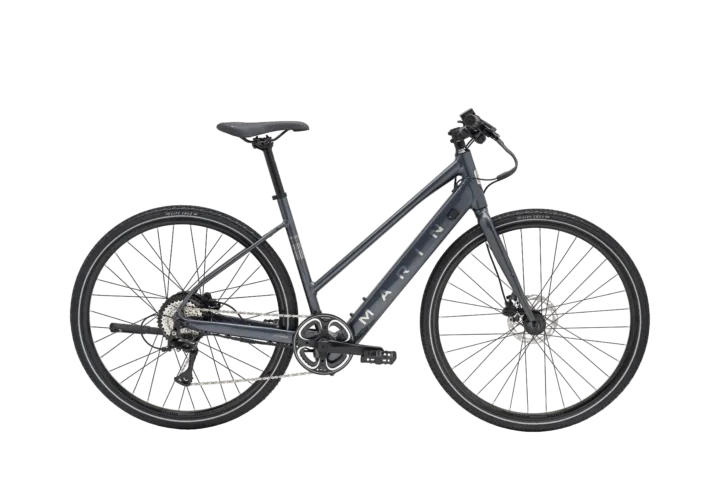
Electric buyers must compare the complete drive system. Marin uses Bosch equipment on several performance-oriented mountain, gravel, and transit models while more accessible comfort and fitness models may use Bafang systems. Battery capacity, removability, range-extender compatibility, assist class, throttle equipment, displays, and service requirements vary. Some specifications also change by country to meet local regulations.
Marin supports an authorized-dealer purchasing model. Its Click It To Ride program allows an online order to be completed through a participating shop, which receives, assembles, and prepares the bicycle. Parts such as derailleur hangers can be sourced through dealers, and Marin maintains a substantial online technical-document library. Used buyers should nevertheless confirm parts availability for the exact generation and should not assume that the original purchaser’s warranty transfers.
Marin will appeal most to riders who want a sensibly equipped mountain, gravel, commuter, or youth bike with dealer assembly and a wide range of price points. Riders seeking custom sizing, domestic frame production, a dedicated lightweight road-racing range, or a highly integrated direct-to-consumer experience may find another brand more suitable.
Historical specifications