Velopedia Bicycle Archive
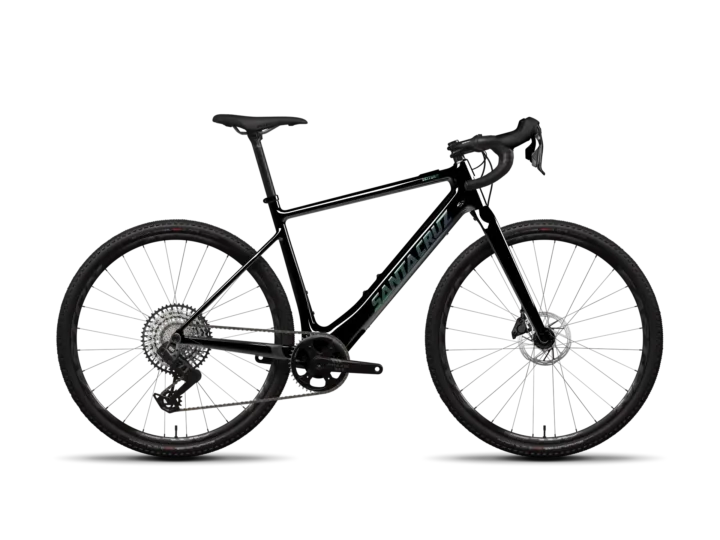
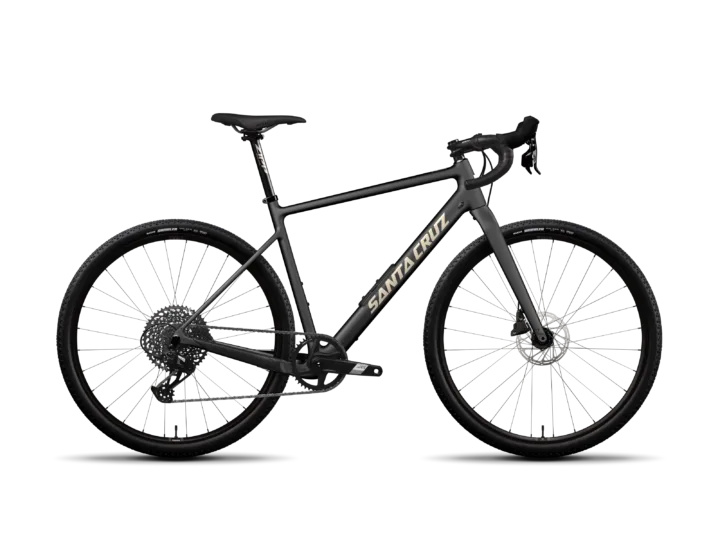
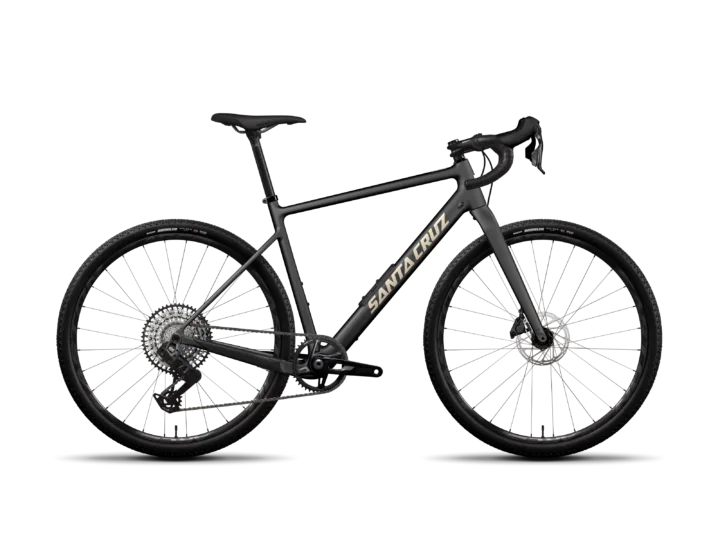
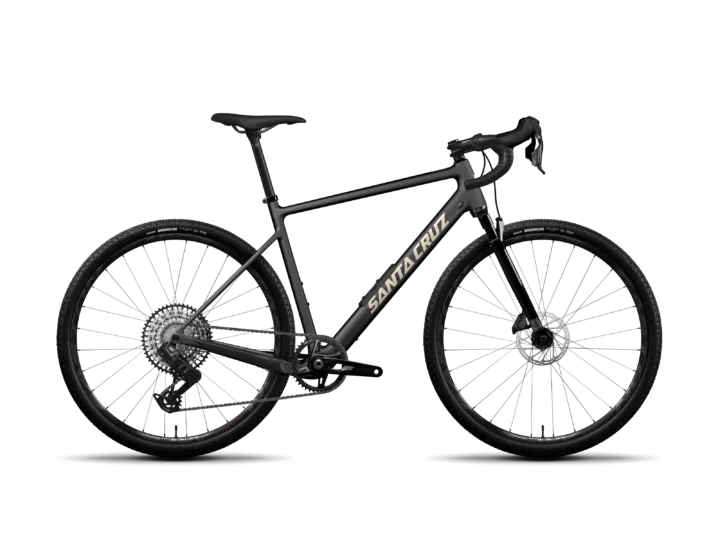
2026 Santa Cruz Skitch Apex
Electric-assist bicycle from the Velopedia specification archive.
- Original MSRP
- $6,799.00
- Sizes
- S, M, L, XL, XXL
- Colors
- Gloss Black, Matte Iron Ore
- Weight
- 30.58lbs / 13.87kg
- Geometry
- 5 manufacturer sizes · Ride analysis
- Archive ID
- 900000394
Current market
Snapshot not yet availableMove, scroll, tap or type to start the protected update.
Velopedia analysis
What the specifications mean
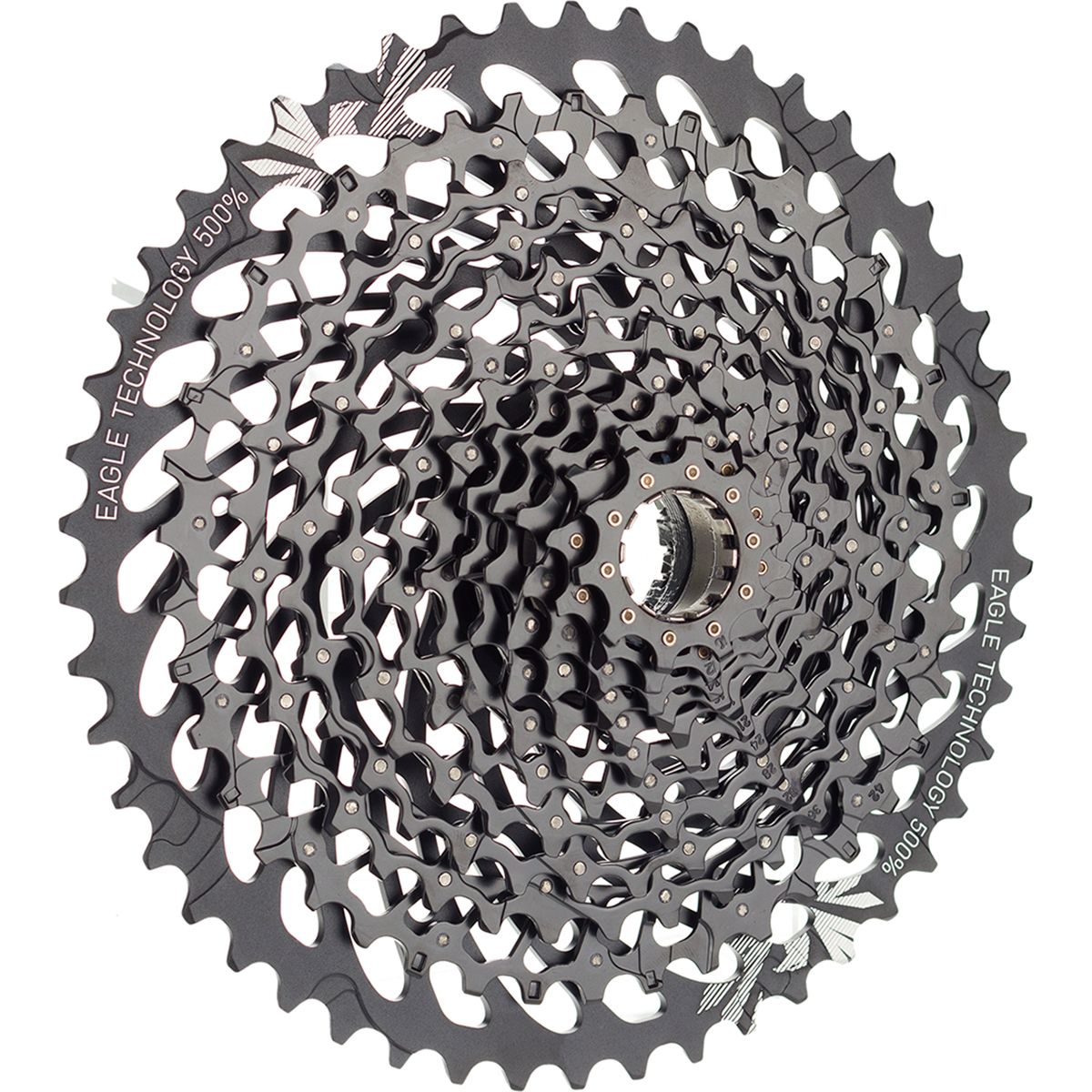
The electric-assist system adds another maintenance layer, especially battery condition, charger compatibility, motor operation and any available diagnostic history. The 500% cassette range describes the available gearing more clearly than the component-group name alone. Carbon construction changes the inspection emphasis from metal-style dents and corrosion to impact damage, ripples and overtightened clamp areas.
Used-bike inspection
If you’re buying this bike used
Before any test ride: both brakes should stop the bike firmly and release cleanly; both wheels should run true and be securely attached; tires should have no casing damage; and the headset, handlebar, stem, cranks and pedals should have no looseness or play.
Follow the full used-bike inspection order →- FrameInspect the frame in bright light, especially around the head tube, bottom bracket, chainstays and clamped areas. Look for cracks, ripples, crushed sections or signs of a previous impact.Inspect the frame and fork →
- BrakesTest each brake separately and confirm it stops firmly and releases cleanly. Inspect the pads and braking surfaces for wear or contamination, and check the cables or hoses for damage.Inspect the brakes →
- E-bike systemConfirm the main battery charges with the correct charger, locks securely into its mount and has no case damage, swelling, corrosion or overheating marks. Power the bike on from cold, test every assist mode and ask for available battery-health and diagnostic records.Check the battery and electronics →
- Wheels & tiresSpin both wheels and watch the rims for side-to-side or vertical movement. Check for dents, cracks, loose or uneven spokes and hub play, then inspect both tire casings for cuts, cracking or exposed threads.Check wheels and tires →
Bike-specific inspection checklist 23 checks based on 6 archived component groups Open checklistClose checklist
This checklist uses the archived equipment for this bike. It cannot confirm the condition, service history or later component changes of the example in front of you.
Identity and fit
Follow the full used-bike inspection order →Archived: 2026 Santa Cruz Skitch Apex · Electric-assist · Published sizes: S, M, L, XL, XXL
Frame and fork
Inspect the frame and fork →Archived: Frame: Carbon CC Gravel · Fork: Carbon · Carbon Fiber
Drivetrain
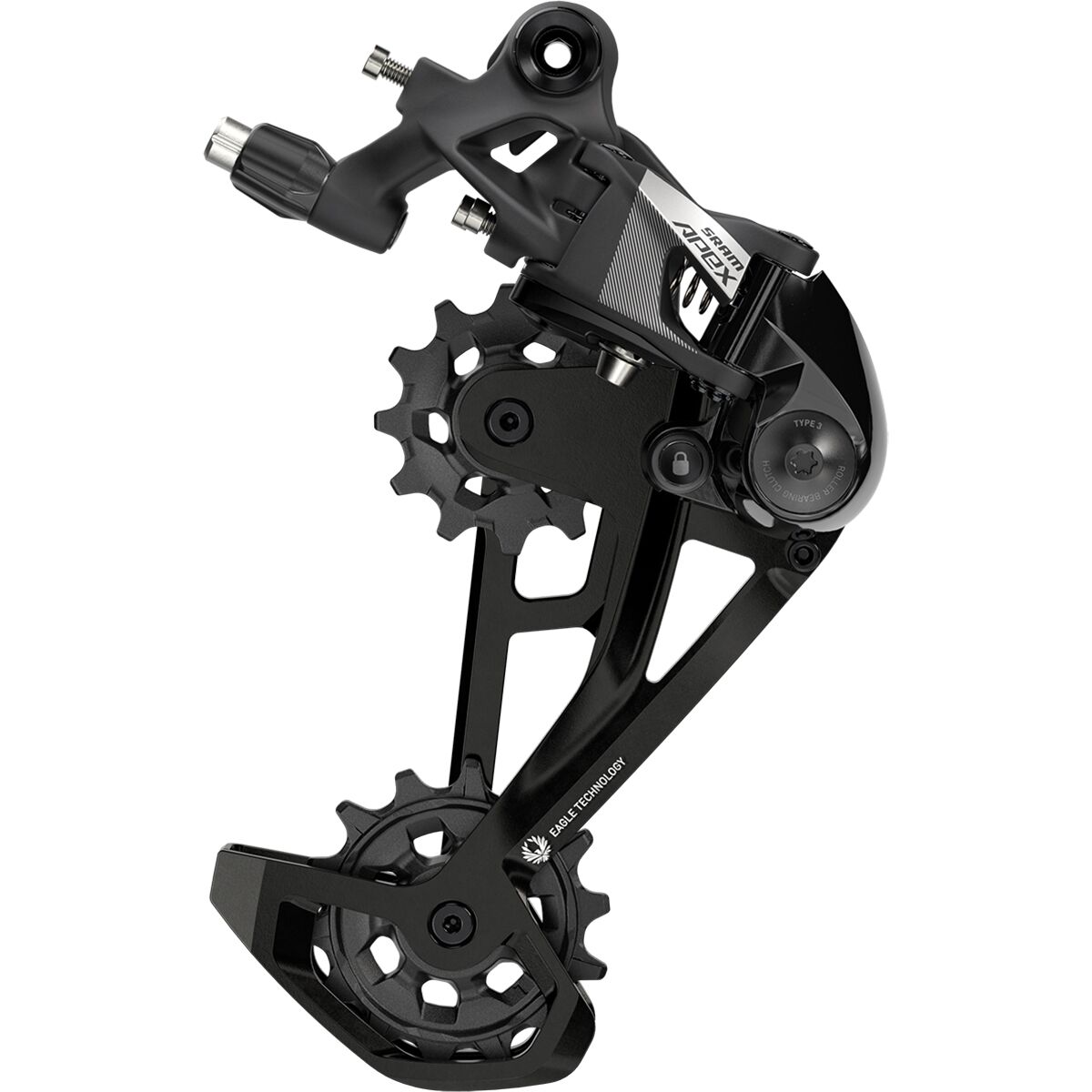
Check drivetrain wear →Archived: Shifters: SRAM Apex · Rear derailleur: SRAM Apex Eagle, 12spd · Crankset: Praxis eTor AL, 107BCD S: 165mm, M/L: 170mm, XL/XXL: 172.mm · Cassette: SRAM XG1275 Eagle, 12spd, 10-50t · Chain: SRAM SX Eagle, 12spd
Brakes
Inspect the brakes →Archived: Brakes: SRAM Apex
Wheels and tires
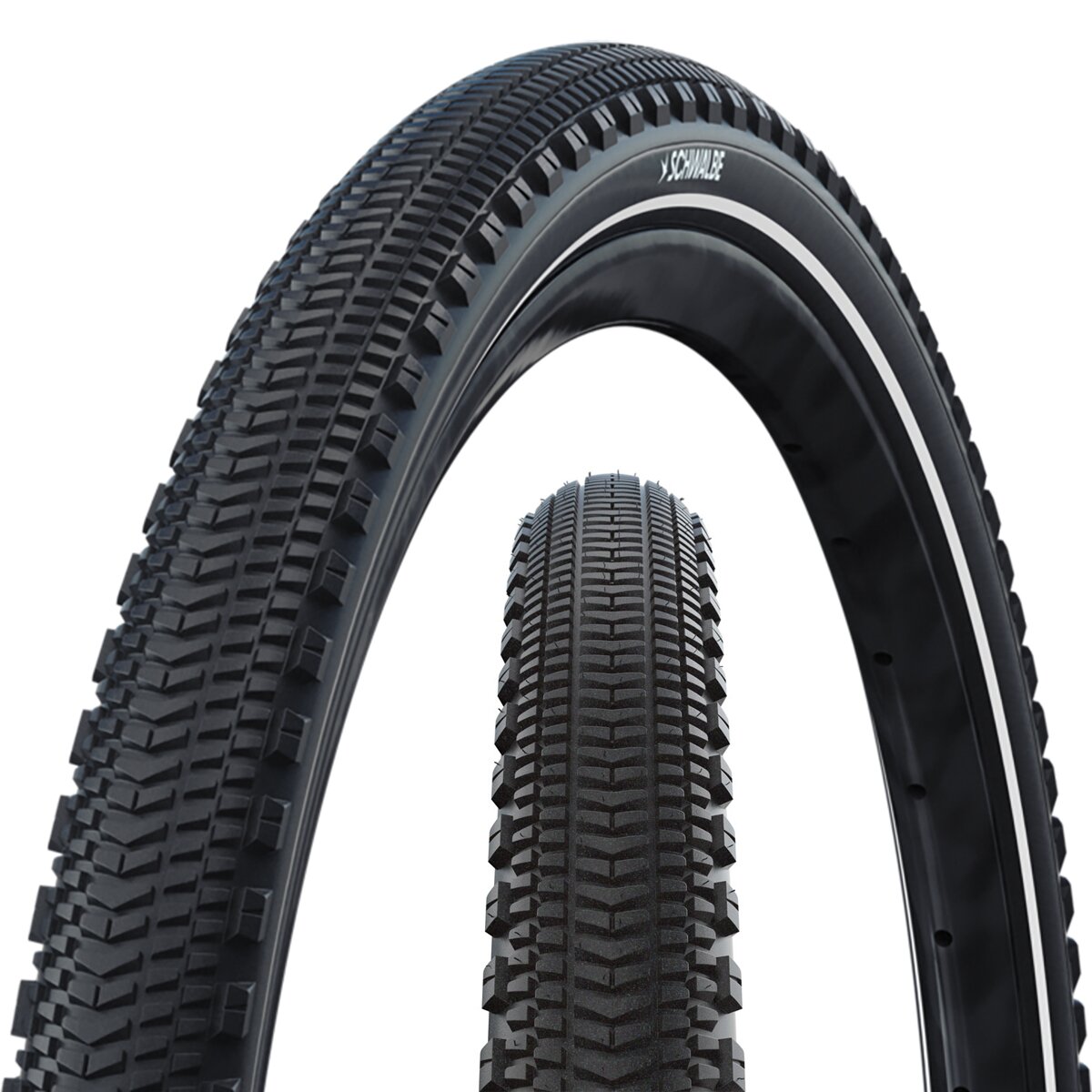
Check wheels and tires →Archived: Wheel size: 700c · Rims: (F) WTB ASYM i25 28h 700c / (R) WTB ASYM i25 28h 700c · Hubs: (F) WTB Frequency Sport, 12x100, Centerlock, 28h / (R) WTB Frequency Sport, 12x148, XD, Centerlock, 28h · Front tire: Schwalbe G-One Overland, Pro EVO, 700x45c · Rear tire: Schwalbe G-One Overland, Pro EVO, 700x45c
Controls and contact points
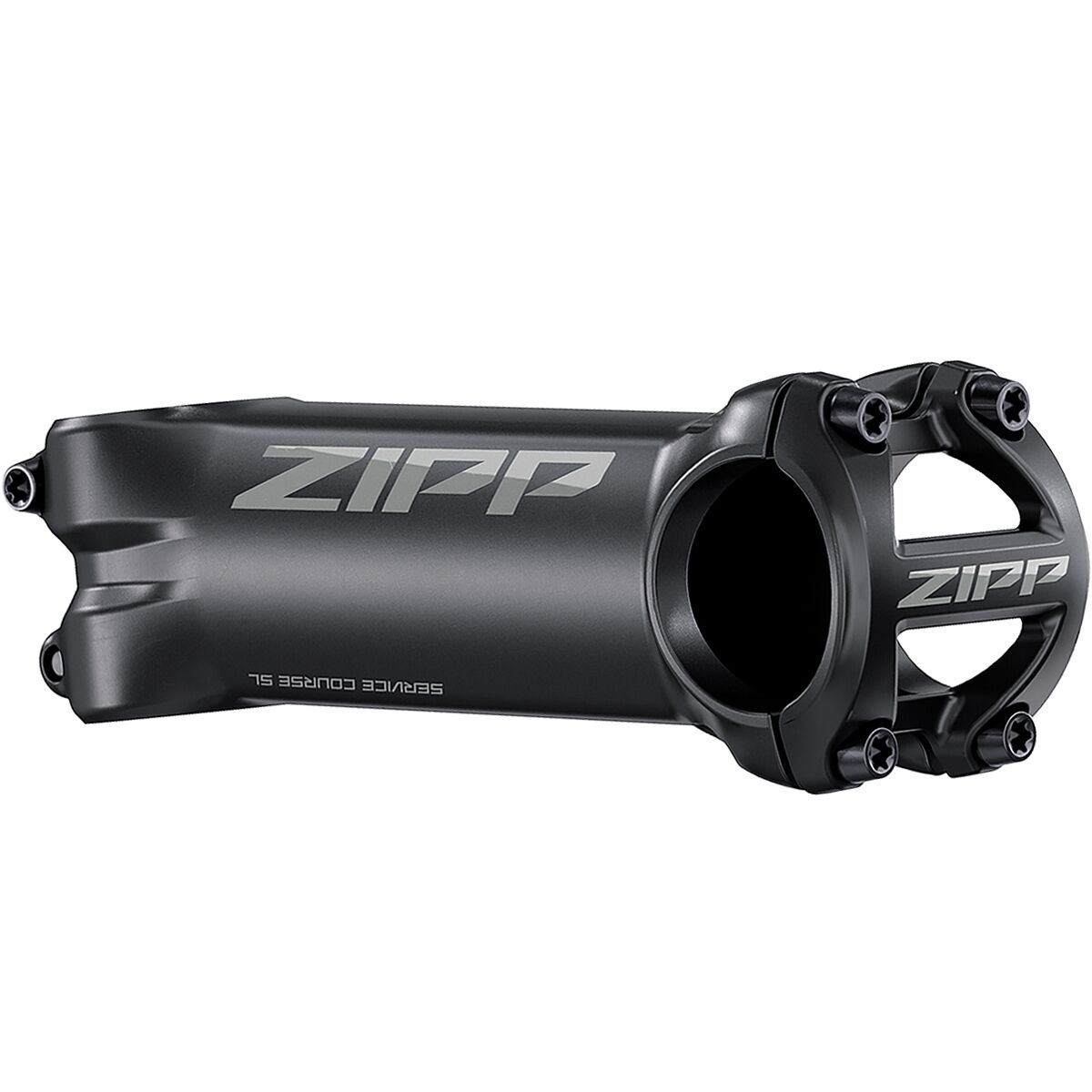
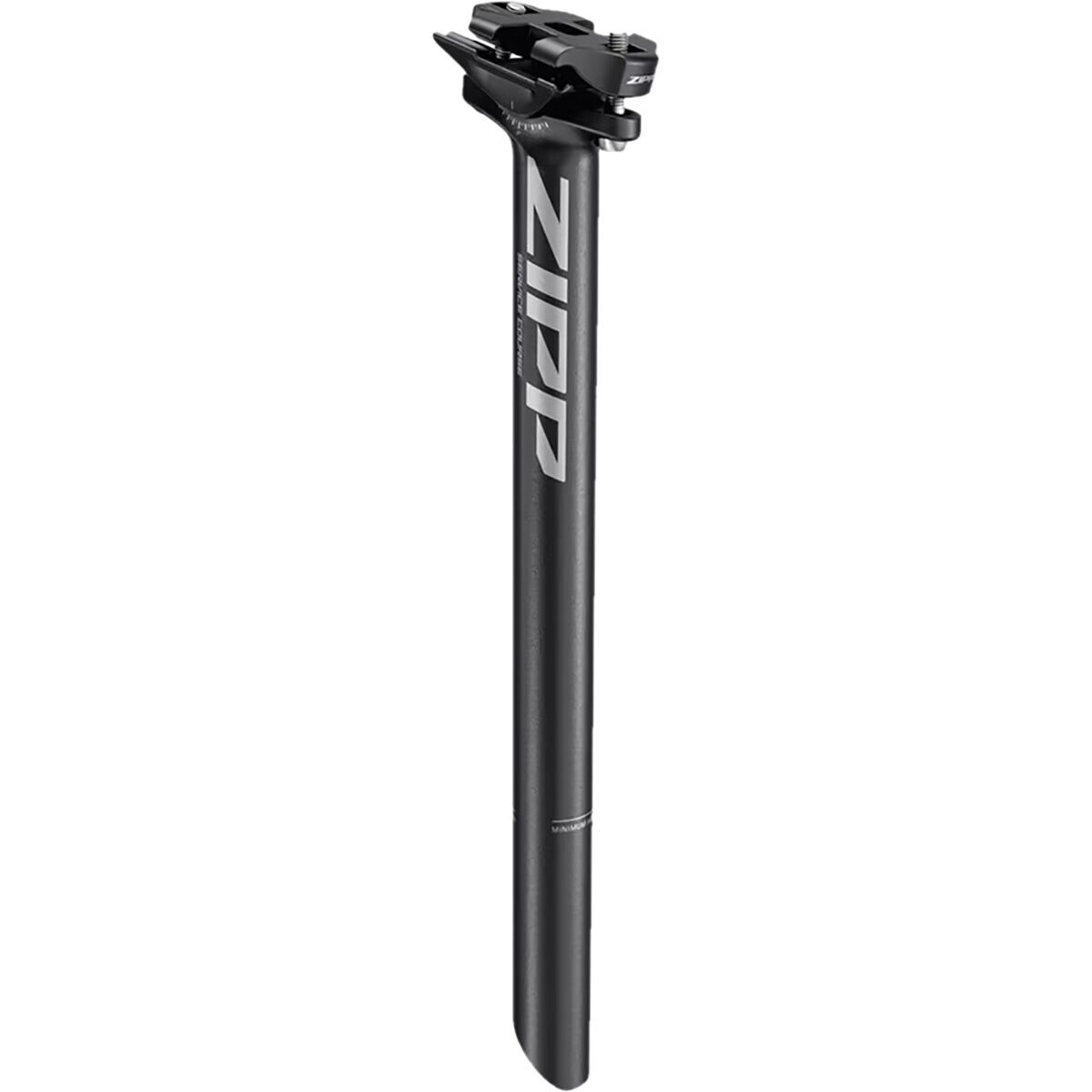
Archived: Headset: FSA IS-2/47/42 ACB · Handlebar: Zipp Service Course 70 XPLR AL Bar, 31.8 S: 42cm, M: 44cm, L/XL/XXL: 46cm · Stem: Zipp Service Course Stem All Sizes: 70mm · Seatpost: Zipp Service Course, 27.2 All Sizes: 350m · Saddle: WTB Silverado Medium, CroMo
E-bike system
Check the battery and electronics →Archived: Santa Cruz Skitch Apex · electric-assist identification
Before and during the test ride
Follow the full used-bike inspection order →Interpretation based on the archived manufacturer specifications. Confirm exact fit and standards before ordering parts or performing service.
Have you owned this bike?Help preserve its real-world history by sharing your owner experience.
Share the details that would help another rider understand how this model fits, rides and holds up over time. Velopedia reviews every contribution before publication.
Already contributed? Send me a fresh private edit link
For privacy, Velopedia shows the same confirmation whether or not an experience exists.
Frameset
| Frame Construction | Carbon CC Gravel |
|---|---|
| Frame Material | Carbon Fiber |
| Fork | Carbon |
| Fork Material | Carbon Fiber |
| Rear Shock | N/A |
Drivetrain
| Shifters | SRAM Apex |
|---|---|
| Rear Derailleur | SRAM Apex Eagle, 12spd |
| Crankset | Praxis eTor AL, 107BCD S: 165mm, M/L: 170mm, XL/XXL: 172.mm |
| Bottom Bracket | N/A |
| Cassette | SRAM XG1275 Eagle, 12spd, 10-50t |
| Chain | SRAM SX Eagle, 12spd |
Brakes
| Brakes | SRAM Apex |
|---|
Cockpit & Contact Points
| Headset | FSA IS-2/47/42 ACB |
|---|---|
| Handlebar | Zipp Service Course 70 XPLR AL Bar, 31.8 S: 42cm, M: 44cm, L/XL/XXL: 46cm |
| Stem | Zipp Service Course Stem All Sizes: 70mm |
| Saddle | WTB Silverado Medium, CroMo |
| Seatpost | Zipp Service Course, 27.2 All Sizes: 350m |
Wheels & Tires
| Hubs | (F) WTB Frequency Sport, 12x100, Centerlock, 28h / (R) WTB Frequency Sport, 12x148, XD, Centerlock, 28h |
|---|---|
| Rims | (F) WTB ASYM i25 28h 700c / (R) WTB ASYM i25 28h 700c |
| Front Tire | Schwalbe G-One Overland, Pro EVO, 700x45c |
| Rear Tire | Schwalbe G-One Overland, Pro EVO, 700x45c |
| Wheel Size | 700c |
Size-specific frame data
Geometry
Manufacturer-published geometry normalized for consistent archival comparison. Effective top tube and reach remain separate measurements because they describe different aspects of fit.
| Measurement | S | M | L | XL | XXL |
|---|---|---|---|---|---|
| Seat tube | 455 mm | 485 mm | 515 mm | 545 mm | 575 mm |
| Top tube | 551 mm | 571 mm | 591 mm | 610 mm | 630 mm |
| Head tube | 105 mm | 125 mm | 145 mm | 160 mm | 180 mm |
| Head-tube angle | 69° | 69° | 69° | 69° | 69° |
| Seat-tube angle | 74° | 74° | 74° | 74° | 74° |
| Chainstay / rear center | 430 mm | 430 mm | 430 mm | 430 mm | 430 mm |
| Wheelbase | 1047 mm | 1070 mm | 1092 mm | 1112 mm | 1135 mm |
| Bottom-bracket drop | 78 mm | 76 mm | 76 mm | 74 mm | 74 mm |
| Bottom-bracket height | 279 mm | 281 mm | 281 mm | 283 mm | 283 mm |
| Reach | 390 mm | 405 mm | 420 mm | 435 mm | 450 mm |
| Stack | 563 mm | 579 mm | 596 mm | 610 mm | 630 mm |
| Standover height | 728 mm | 753 mm | 778 mm | 804 mm | 830 mm |
| Front center | 624 mm | 646 mm | 668 mm | 689 mm | 711 mm |
Geometry source: Manufacturer HTML geometry table ↗ Measurements can vary by configuration, wheel size, or flip-chip position where noted by the manufacturer.
Geometry interpretation
What this geometry means
S geometry
Riding position
The 390 mm reach and 563 mm stack sit in a moderate proportion, without a strong long-and-low or tall-and-short bias.
Handling tendencies
A 69° head angle combined with a 1047 mm wheelbase points to more stability-oriented steering and chassis behavior. The longer the chassis and slacker the front end, the more the bike tends to favor composure over very quick direction changes.
M geometry
Riding position
The 405 mm reach and 579 mm stack sit in a moderate proportion, without a strong long-and-low or tall-and-short bias.
Handling tendencies
A 69° head angle combined with a 1070 mm wheelbase points to more stability-oriented steering and chassis behavior. The longer the chassis and slacker the front end, the more the bike tends to favor composure over very quick direction changes.
L geometry
Riding position
The 420 mm reach and 596 mm stack sit in a moderate proportion, without a strong long-and-low or tall-and-short bias.
Handling tendencies
A 69° head angle combined with a 1092 mm wheelbase points to more stability-oriented steering and chassis behavior. The longer the chassis and slacker the front end, the more the bike tends to favor composure over very quick direction changes.
XL geometry
Riding position
The 435 mm reach and 610 mm stack sit in a moderate proportion, without a strong long-and-low or tall-and-short bias.
Handling tendencies
A 69° head angle combined with a 1112 mm wheelbase points to more stability-oriented steering and chassis behavior. The longer the chassis and slacker the front end, the more the bike tends to favor composure over very quick direction changes.
XXL geometry
Riding position
The 450 mm reach and 630 mm stack sit in a moderate proportion, without a strong long-and-low or tall-and-short bias.
Handling tendencies
A 69° head angle combined with a 1135 mm wheelbase points to more stability-oriented steering and chassis behavior. The longer the chassis and slacker the front end, the more the bike tends to favor composure over very quick direction changes.
Across the size range
From S to XXL, reach grows by 60 mm and stack by 67 mm, showing how the frame becomes both longer and taller through the published size range. The rear center stays essentially constant at about 430 mm across sizes, so most of the wheelbase growth happens in the front half of the bike rather than by lengthening the rear triangle.
Geometry describes frame proportions and likely tendencies, not a ride test. Rider proportions, cockpit setup, tires, suspension settings, wheel configuration, and component choices can materially change how a bicycle fits and feels.
Gallery
Specifications are presented as a reference. Components may vary by market, size, production run, or later manufacturer revisions.