
Lowest0.81:1
Highest4.20:1
Total range520%
Velopedia Bicycle Archive
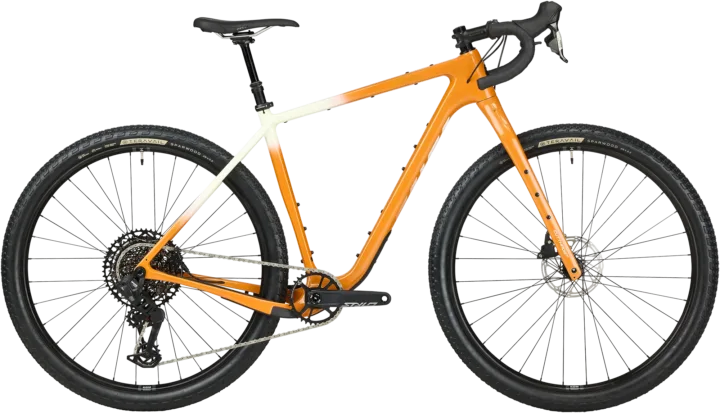
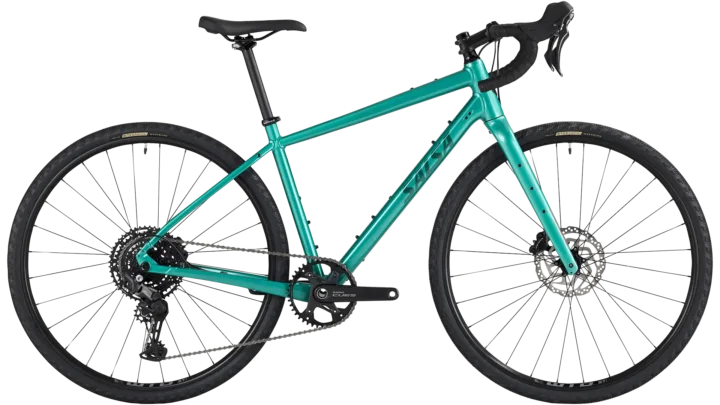
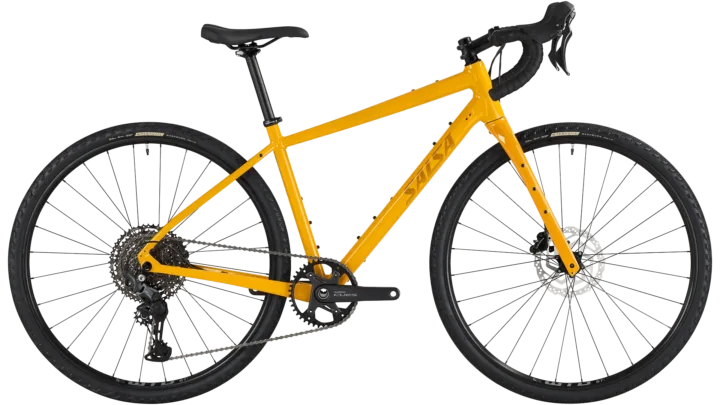
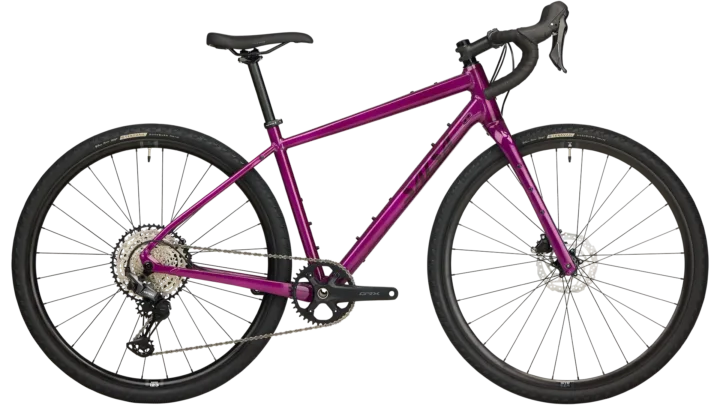
2025 Salsa Tributary C Force X0 AXS SUS
Original specifications: 29" wheels · 43 lb 6 oz for Medium published weight · geometry for 5 published sizes.
Selling this bike? Create a shareable bike record
At a glance
- Model year
- 2025
- Category
- Gravel & Cyclocross
- Original MSRP
- $7,999.00
- Sizes
- XS, S, M, L, XL
- Colors
- Amethyst/Yellow
- Weight
- 43 lb 6 oz for Medium
- Geometry
- 5 manufacturer sizes
- In this record
- 19 specifications · 3 archived images · original MSRP · geometry
- Archive ID
- 900000630
Original buildCarbon Fiber · 29"
Frameset
| Frame Construction | Carbon |
|---|---|
| Frame Material | Carbon Fiber |
| Fork | Fox 34 Factory, 120 mm |
Drivetrain
| Shifters | SRAM Force AXS D2 |
|---|---|
| Rear Derailleur | SRAM X0 Eagle Transmission |
| Crankset | FSA CK-9011, 42t |
| Cassette | SRAM X0 Eagle Transmission, 10–52t, 12-speed |
| Chain | SRAM X0 Eagle Transmission |
Brakes
| Brakes | Brake Calipers: SRAM Force D2; Brake Levers: SRAM Force AXS D2; Rotors: SRAM CenterLine (6-bolt, 203 mm front, 180 mm rear) |
|---|
Cockpit & Contact Points
| Headset | Acros |
|---|---|
| Handlebar | Salsa Cowchipper |
| Stem | Salsa Guide Trail |
| Saddle | WTB SL8 |
| Seatpost | TranzX dropper post, 100 mm travel |
Wheels & Tires
| Hubs | (F) WTB HTZ / (R) WTB HTZ |
|---|---|
| Rims | WTB CZR i30, 32h (taped, tubeless valves included) |
| Front Tire | Teravail Ehline 29 x 2.3″, Durable casing |
| Rear Tire | Teravail Ehline 29 x 2.3″, Durable casing |
| Wheel Size | 29" |
Geometry
Frame measurements by size.
Published frame view
Size
Measurement
Measurement
—
Select an available measurement to locate it on the frame.
All geometry measurements5 sizes · 16 measurements
| Measurement | X-Small | Small | Medium | Large | X-Large |
|---|---|---|---|---|---|
| Seat tube | 380 mm | 405 mm | 460 mm | 500 mm | 520 mm |
| Effective top tube | 535 mm | 560 mm | 585 mm | 610 mm | 635 mm |
| Head tube | 100 mm | 100 mm | 125 mm | 145 mm | 165 mm |
| Head-tube angle | 67° | 67° | 67° | 67° | 67° |
| Seat-tube angle | 75° | 75° | 75° | 75° | 75° |
| Chainstay / rear center | 445 mm | 445 mm | 445 mm | 445 mm | 445 mm |
| Wheelbase | 1094.4 mm | 1119.4 mm | 1148 mm | 1175.8 mm | 1203.7 mm |
| Bottom-bracket drop | 70 mm | 70 mm | 70 mm | 70 mm | 70 mm |
| Bottom-bracket height | 303 mm | 303 mm | 303 mm | 303 mm | 303 mm |
| Reach | 373.7 mm | 398.7 mm | 417.6 mm | 437.6 mm | 457.7 mm |
| Stack | 601.8 mm | 601.8 mm | 624.8 mm | 643.2 mm | 661.7 mm |
| Standover height | 725.1 mm | 729.7 mm | 775 mm | 808.9 mm | 827.4 mm |
| Fork offset / rake | 51 mm | 51 mm | 51 mm | 51 mm | 51 mm |
| Fork length / axle-to-crown | 498.4 mm | 498.4 mm | 498.4 mm | 498.4 mm | 498.4 mm |
| Crank length | 165 mm | 165 mm | 170 mm | 170 mm | 170 mm |
| Stem length | 50 mm | 50 mm | 50 mm | 50 mm | 50 mm |
Measurements may vary by configuration, wheel size, or frame setting where noted in the published chart.
Gearing
Lower ratios provide more mechanical advantage for climbing. Higher ratios turn the rear wheel farther with each crank revolution.
Parts & serviceability
Find replacement parts
SRAM X0 Eagle Transmission
Search: SRAM X0 Eagle Transmission chain
Retailer offers · Affiliate links
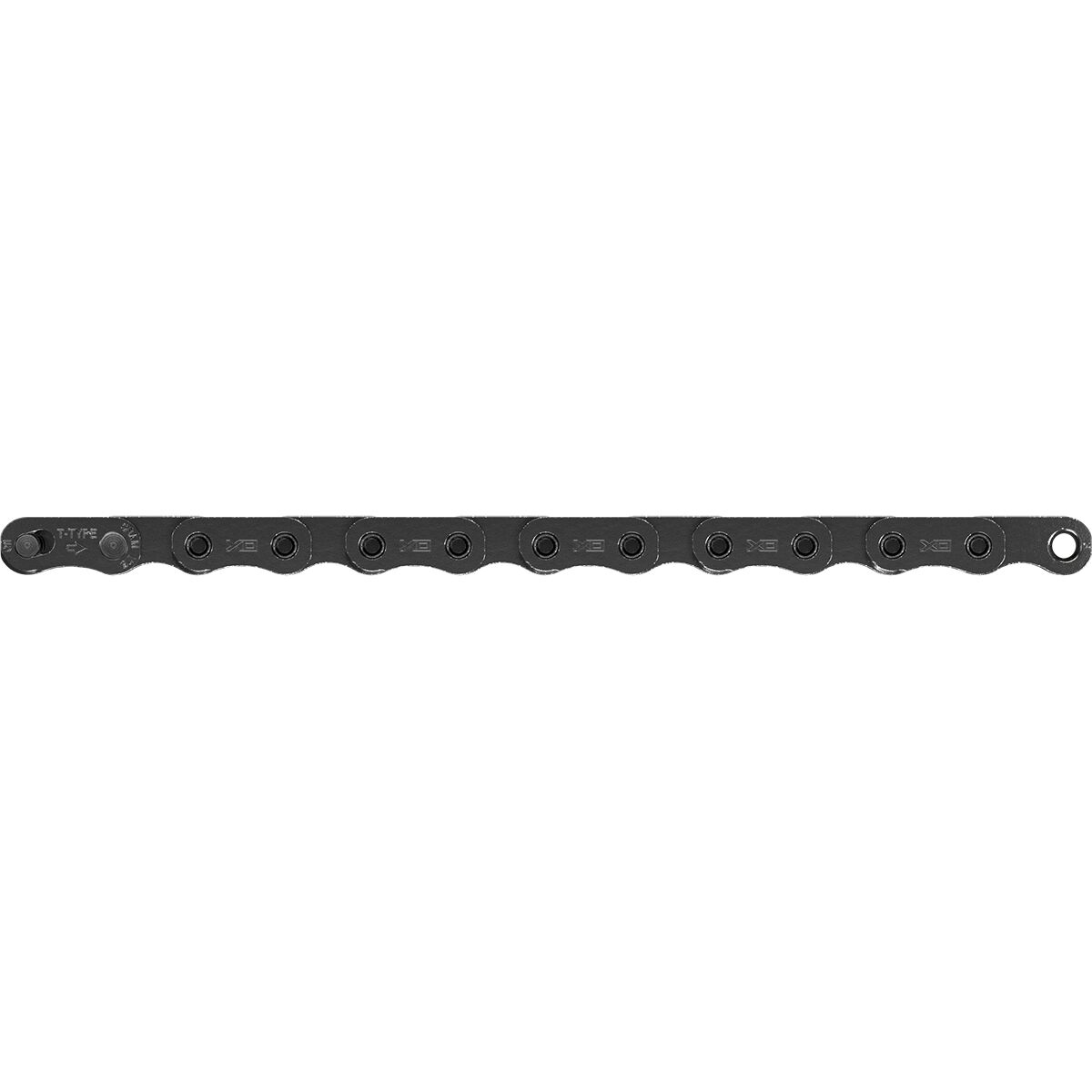
SRAM X0 Eagle Transmission 12-Speed Chain Dark Polar, 126 links
126 links
SRAM X0 Eagle Transmission, 10–52t, 12-speed
Search: SRAM X0 Eagle Transmission, 10–52t, 12-speed cassette T-Type
Retailer offers · Affiliate links
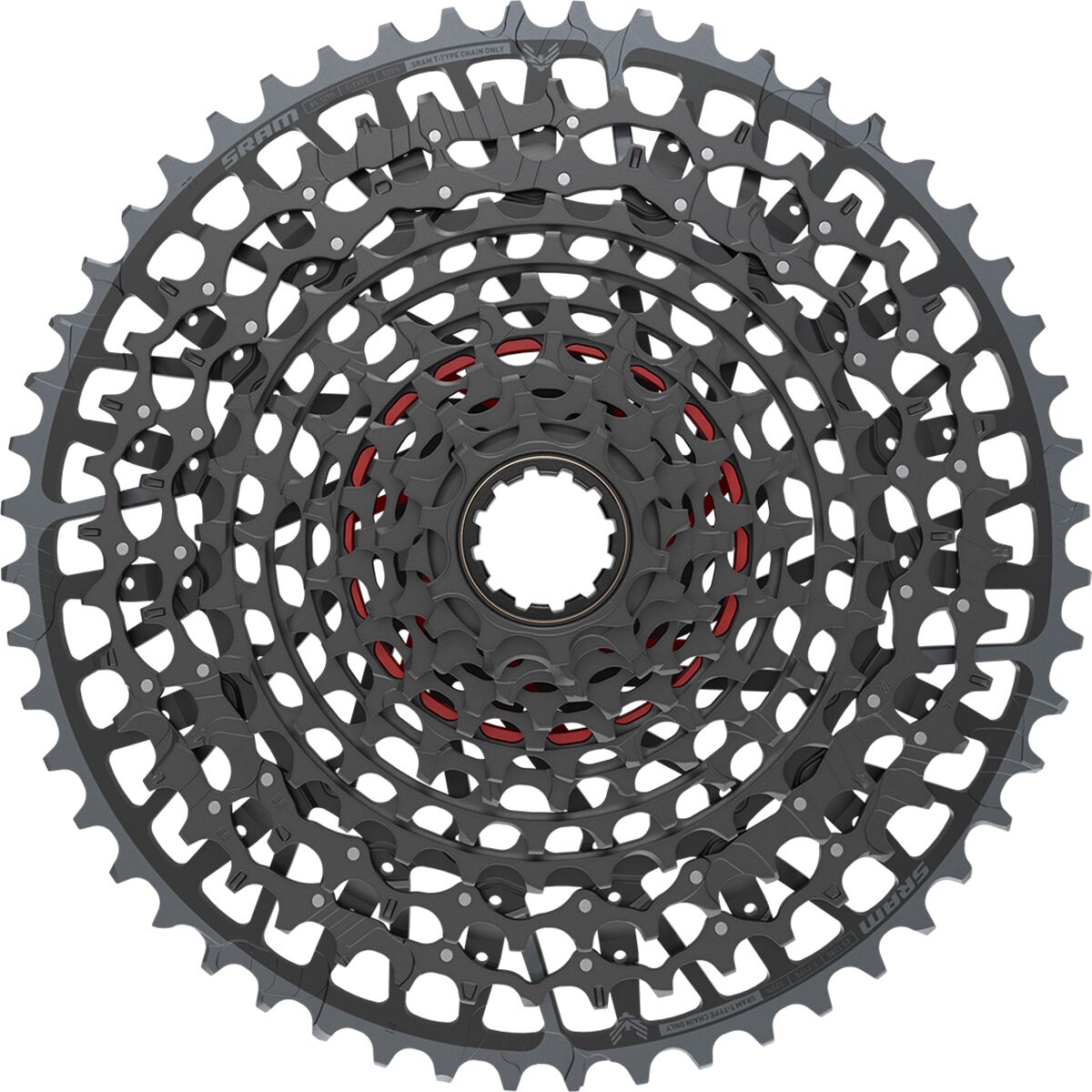
SRAM XS-1295 X0 Eagle Transmission 12-Speed Cassette Black, 10-52t
10-52t
Teravail Ehline 29 x 2.3″, Durable casing
Retailer offers · Affiliate links
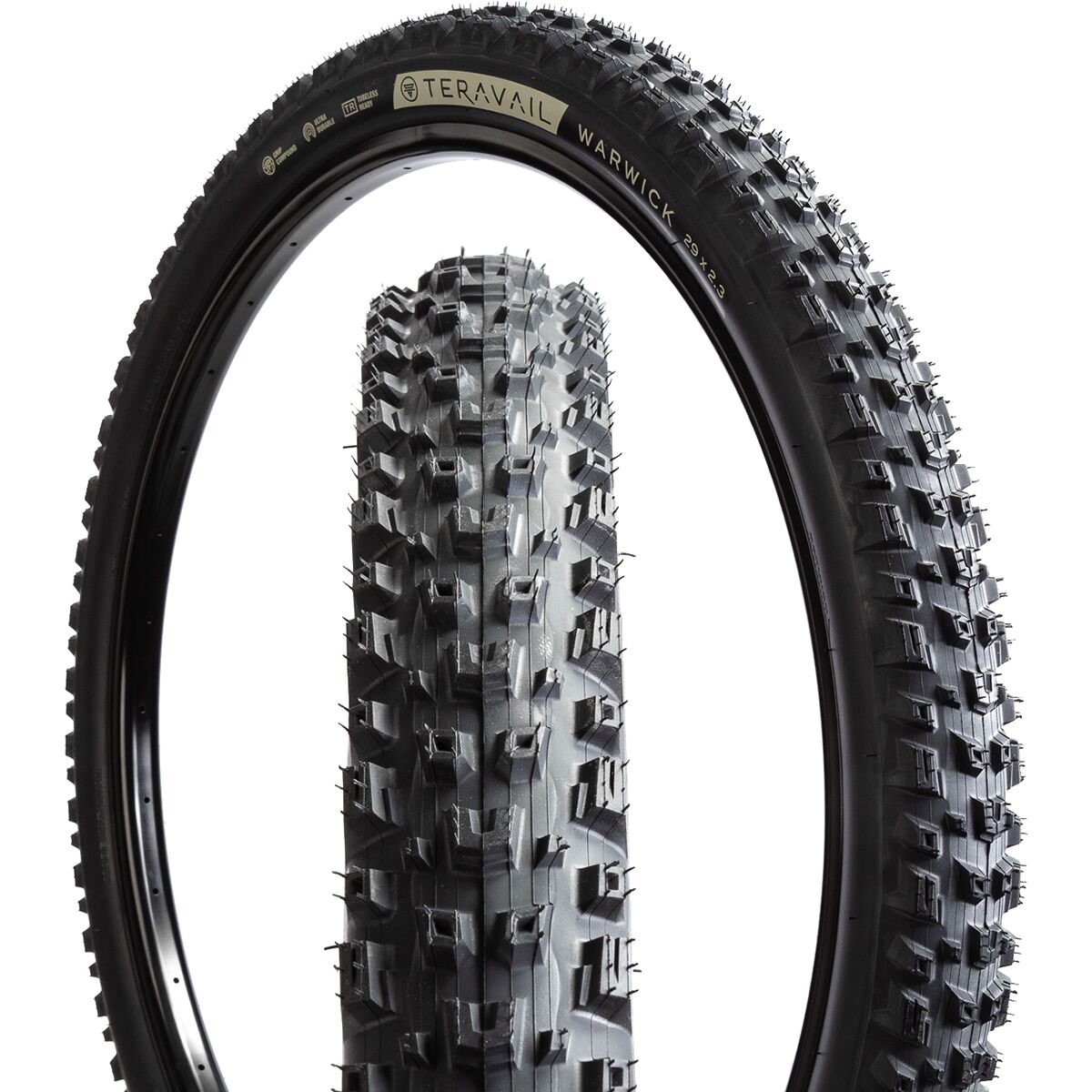
Teravail Warwick Tire - 29in Black, Durable/Grip, 29x2.3
29x2.3
Replacement option · verify fit
More parts (6)
WTB SL8
FSA CK-9011, 42t
SRAM X0 Eagle Transmission
Search: SRAM X0 Eagle Transmission rear derailleur Before ordering: Confirm whether the drivetrain is mechanical or electronic before ordering.
SRAM Force AXS D2
Search: SRAM Force 12-speed electronic shifter
Salsa Cowchipper
Salsa Guide Trail
Based on the original build. Confirm the model, size and fit before ordering; installed parts may differ. As an Amazon Associate I earn from qualifying purchases. Velopedia may also earn from qualifying eBay purchases. Velopedia may also earn from qualifying retailer purchases.
Bike-specific inspection checklist 25 checks based on 7 archived component groups Open checklistClose checklist
This checklist uses the archived equipment for this bike. It cannot confirm the condition, service history or later component changes of the example in front of you.
Identity and fit
Follow the full used-bike inspection order →Archived: 2025 Salsa Tributary C Force X0 AXS SUS · Electric-assist · Published sizes: XS, S, M, L, XL
Frame and fork
Inspect the frame and fork →Archived: Frame: Carbon · Fork: Fox 34 Factory, 120 mm
Suspension
Evaluate the suspension →Archived: Fork: Fox 34 Factory, 120 mm
Drivetrain
Check drivetrain wear →Archived: Shifters: SRAM Force AXS D2 · Rear derailleur: SRAM X0 Eagle Transmission · Crankset: FSA CK-9011, 42t · Cassette: SRAM X0 Eagle Transmission, 10–52t, 12-speed · Chain: SRAM X0 Eagle Transmission
Brakes
Inspect the brakes →Archived: Brakes: Brake Calipers: SRAM Force D2; Brake Levers: SRAM Force AXS D2; Rotors: SRAM CenterLine (6-bolt, 203 mm front, 180 mm rear)
Wheels and tires
Check wheels and tires →Archived: Wheel size: 29" · Rims: WTB CZR i30, 32h (taped, tubeless valves included) · Hubs: (F) WTB HTZ / (R) WTB HTZ · Front tire: Teravail Ehline 29 x 2.3″, Durable casing · Rear tire: Teravail Ehline 29 x 2.3″, Durable casing
Controls and contact points
Archived: Headset: Acros · Handlebar: Salsa Cowchipper · Stem: Salsa Guide Trail · Seatpost: TranzX dropper post, 100 mm travel · Saddle: WTB SL8
E-bike system
Check the battery and electronics →Archived: Salsa Tributary C Force X0 AXS SUS · electric-assist identification
Before and during the test ride
Follow the full used-bike inspection order →Have you owned this bike?Help preserve its real-world history by sharing your owner experience.
Share the details that would help another rider understand how this model fits, rides and holds up over time. Velopedia reviews every contribution before publication.
Already contributed? Send me a fresh private edit link
For privacy, Velopedia shows the same confirmation whether or not an experience exists.
Gallery3 images
Checking current listings…
Specifications are presented as a reference. Components may vary by market, size, production run, or later manufacturer revisions.