Velopedia Bicycle Archive

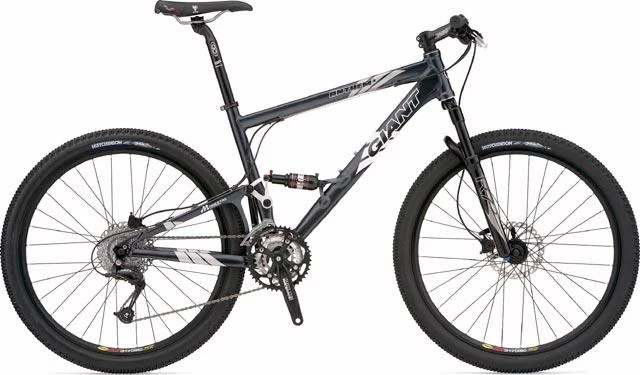
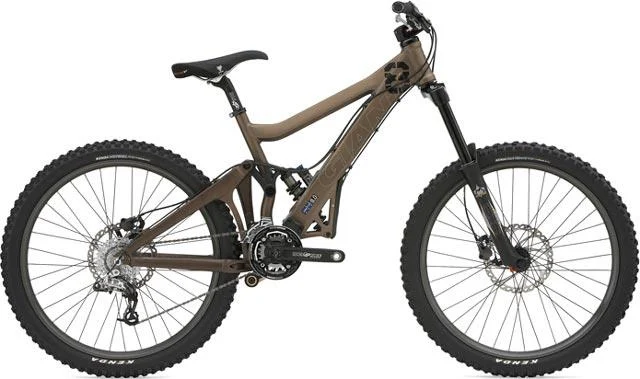
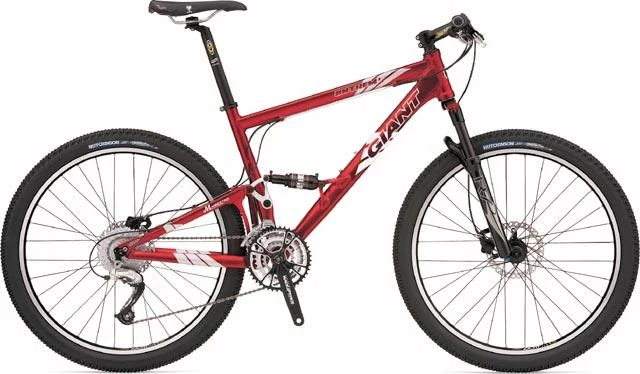
2006 Giant Glory

Mountain bike, front & rear suspension bicycle from the Velopedia specification archive.

Share owner experience

Selling this bike? Create a Bike History Report

Original MSRP
$4,500.00
Sizes
Womens adjustable for rider height, 15.4, 16.5/M, 16.5/L, 17.7
Colors
Blue
Geometry
Legacy reference · Ride analysis
Archive ID
94636

Current market

Snapshot not yet available
Protected live updateReady after page interactionAutomated crawlers do not trigger marketplace requests.

Move, scroll, tap or type to start the protected update.

Velopedia analysis

What the specifications mean

Derived from the archived manufacturer recordHow Velopedia reads these specifications →

The fork and rear shock need to be set up as a pair. If their sag or rebound settings are far apart, the front and rear of the bike can react very differently. The 309% cassette range describes the available gearing more clearly than the component-group name alone. On the alloy frame, dents and hairline cracks around welds matter more than cosmetic scratches. Pay closest attention near the head tube, bottom bracket shell, dropouts and other heavily loaded junctions.

Suspension setup Front + rear Fork and shock pressure, sag and rebound should be balanced and recorded independently.
Gearing 309% cassette range Calculated from the published 11–34-tooth sprocket span.
Frame material Aluminum / alloy Dents and cracking around welds at the head tube, bottom bracket shell and dropouts deserve attention.
Wheel standard Nominal 26 inch Confirm the ISO bead-seat diameter because several incompatible standards have used this name.

Used-bike inspection

If you’re buying this bike used

Before any test ride: both brakes should stop the bike firmly and release cleanly; both wheels should run true and be securely attached; tires should have no casing damage; and the headset, handlebar, stem, cranks and pedals should have no looseness or play.

Follow the full used-bike inspection order →
  • FrameLook closely for dents and hairline cracks around welds, the head tube and bottom-bracket area. Cosmetic scratches matter less than a change in shape or a crack line.Inspect the frame and fork →
  • BrakesTest each brake separately and confirm it stops firmly and releases cleanly. Inspect the pads and braking surfaces for wear or contamination, and check the cables or hoses for damage.Inspect the brakes →
  • SuspensionAsk when the fork and shock were last serviced. Check the stanchions for damage, look for oil at the seals, cycle both units through their travel and test the suspension pivots for play.Evaluate the suspension →
  • DrivetrainShift through every gear under light load and measure chain wear. Confirm that the shifter, derailleur, chain and cassette belong to the same 9-speed system.Check drivetrain wear →
  • Wheels & tiresSpin both wheels and watch the rims for side-to-side or vertical movement. Check for dents, cracks, loose or uneven spokes and hub play, then inspect both tire casings for cuts, cracking or exposed threads.Check wheels and tires →
Bike-specific inspection checklist 22 checks based on 6 archived component groups Open checklistClose checklist
0 of 22 checked Progress stays in this browser for this bike.

This checklist uses the archived equipment for this bike. It cannot confirm the condition, service history or later component changes of the example in front of you.

Archived: 2006 Giant Glory · Mountain bike, front & rear suspension · Published sizes: Womens adjustable for rider height, 15.4, 16.5/M, 16.5/L, 17.7

Archived: Frame: ALUXX Butted Aluminum · Fork: Fox 40 RC2, 203mm travel · Dual

Archived: Fork: Fox 40 RC2, 203mm travel · Rear shock: Fox DHX 4.0 Coil, 8.8" travel

Archived: Group: Downhill Mix · Shifters: SRAM X.7 · Front derailleur: E thirteen SRS · Rear derailleur: SRAM X.9 · Crankset: Race Face Diabolous X-Type · Bottom bracket: Race Face X-Type · Rear cogs: 9-speed, 11 - 34 teeth · Chain: Shimano CN-HG53

Archived: Brakes: Hayes HFX-9 HD brakes, Hayes HFX-9 HD levers

Archived: Wheel size: 26" wheels · Rims: Mavic EX 729 · Hubs: Front: Sun Ringle Abbah DH, Rear: Sun Ringle Abbah 12mm · Front tire: Front: Kenda Blue Groove, Rear: 26 x 2.50" Kenda Nevegal

Controls and contact points

Archived: Handlebar: Race Face Evolve DH riser · Stem: Race Face Evolve DH · Seatpost: Race Face Evolve DH, 31.8mm diameter · Saddle: WTB Power V DH Race · Pedals: Not included

Before and during the test ride

Follow the full used-bike inspection order →

Interpretation based on the archived manufacturer specifications. Confirm exact fit and standards before ordering parts or performing service.

My Garage

Velopedia

Enter your email and Velopedia will send a private sign-in link. No password required.

Have you owned this bike?Help preserve its real-world history by sharing your owner experience.

Share the details that would help another rider understand how this model fits, rides and holds up over time. Velopedia reviews every contribution before publication.

After submitting, use the verification link sent to your email. Nothing appears publicly until Velopedia approves it.

Already contributed? Send me a fresh private edit link

For privacy, Velopedia shows the same confirmation whether or not an experience exists.

Historical catalog variants

Archived sizes and colors

5 item records

Item-level catalog entries recovered from Velopedia’s original bicycle archive. They document how this model was listed historically; they do not identify the frame size associated with legacy reference geometry or indicate current availability.

Published sizes

womens adjustable for rider height15.416.5/M16.5/L17.7

Published colors

Blue
View 5 archived size/color combinations
SizeColor
womens adjustable for rider heightBlue
15.4Blue
16.5/MBlue
16.5/LBlue
17.7Blue

Historical catalog evidence. Exact specifications and naming may vary by market, production run or manufacturer revision.

Frameset

Frame MaterialALUXX Butted Aluminum
ForkFox 40 RC2, 203mm travel
Fork MaterialDual
Rear ShockFox DHX 4.0 Coil, 8.8" travel

Drivetrain

Component GroupDownhill Mix
ShiftersSRAM X.7
Front DerailleurE thirteen SRS
Rear DerailleurSRAM X.9
CranksetRace Face Diabolous X-Type
Bottom BracketRace Face X-Type
Rear Cogs9-speed, 11 - 34 teeth
ChainShimano CN-HG53
PedalsNot included

Brakes

BrakesHayes HFX-9 HD brakes, Hayes HFX-9 HD levers

Cockpit & Contact Points

HandlebarRace Face Evolve DH riser
StemRace Face Evolve DH
SaddleWTB Power V DH Race
SeatpostRace Face Evolve DH, 31.8mm diameter

Wheels & Tires

HubsFront: Sun Ringle Abbah DH, Rear: Sun Ringle Abbah 12mm
RimsMavic EX 729
SpokesDT Swiss Competition
Front TireFront: Kenda Blue Groove, Rear: 26 x 2.50" Kenda Nevegal
Wheel Size26" wheels

Historical reference geometry

Geometry

Legacy reference · 3 measurements

Historical model-level geometry recovered from Velopedia’s original archive database. The source does not identify which listed frame size this reference describes, so fit interpretation is intentionally limited and no size-normalized Archive Context is generated.

MeasurementLegacy reference
Head-tube angle65.5°
Seat-tube angle69°
Chainstay / rear center650.2 mm

Geometry source: Historical archive database — model-level reference geometry. The historical source provides one model-level geometry set and does not identify the corresponding frame size.

Geometry interpretation

What this geometry means

Legacy reference geometry

Fit reference

Its 69° seat-tube angle describes the reference frame’s seat-line orientation. Actual seated position still depends on frame size, saddle height and fore-aft adjustment.

Handling tendencies

The 65.5° head angle points to stability-oriented by current mountain-bike conventions steering geometry. Wheel size, fork offset, trail and the unknown reference frame size still matter to the final steering feel. The 650.2 mm chainstay records the rear-center dimension of the historical reference. Rear-center length influences weight distribution and how readily the rear of the bike changes direction.

Period context

At 65.5°, the head angle sits toward the slacker end among mountain geometries represented in Velopedia for this period. Its 69° seat angle is toward the more relaxed end among the same-period mountain references.

Compared with 143 distinct legacy mountain geometries from model years 2004–2006. Only angular measurements are used because the historical reference frame size is unidentified.

This is historical model-level reference geometry, not a known frame-size geometry table or a ride test. Frame size, rider proportions, cockpit setup, tires, suspension and components can materially change fit and handling.

Specifications are presented as a reference. Components may vary by market, size, production run, or later manufacturer revisions.
Scroll to Top