2027
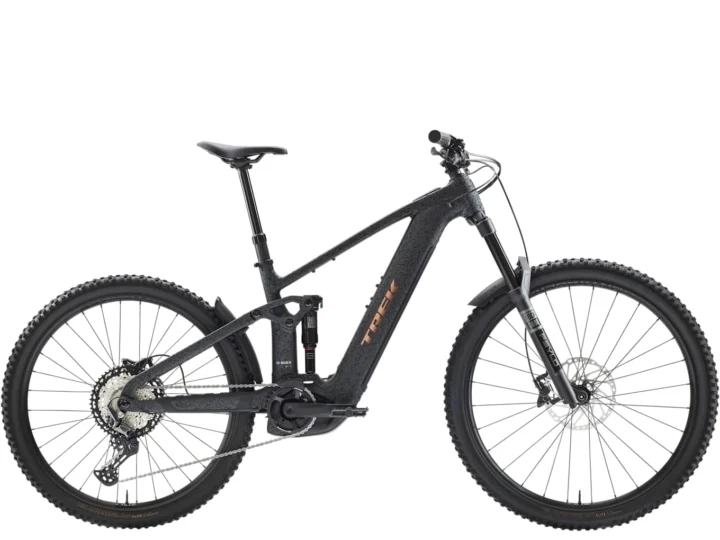
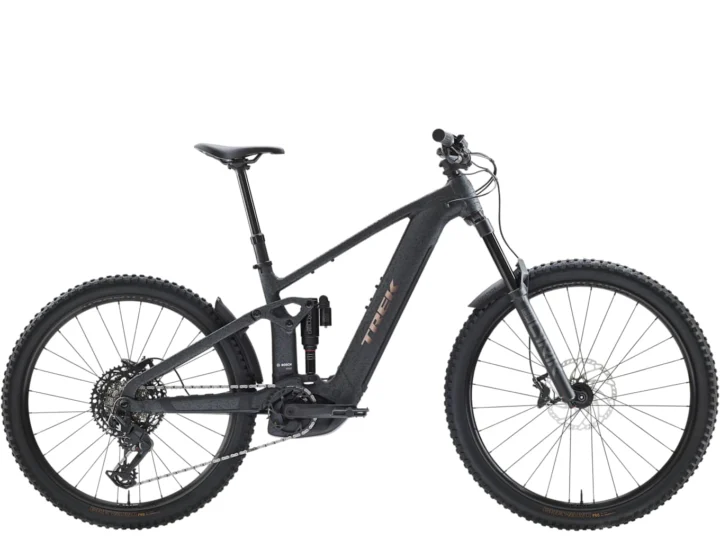
Rail+ 8 Gen 5
Original MSRP $5,999.99
Velopedia Brand Reference
Trek is a full-line bicycle company with products covering road racing, mountain biking, gravel, commuting, recreation, electric assistance, cargo carrying, and children’s cycling.

Velopedia Bicycle Archive
Model years 1993–2027
Company overview
Trek is a full-line bicycle company with products covering road racing, mountain biking, gravel, commuting, recreation, electric assistance, cargo carrying, and children’s cycling. Few brands address such different riders under one name. Its catalog includes affordable aluminum bikes, high-end carbon race machines, electric utility models, and custom-built competition bikes.
That breadth makes Trek a practical place to shop when the rider knows the general type of cycling but has not settled on a specific machine. Major families usually include several frame materials and component levels, allowing buyers to prioritize price, weight, drivetrain, or suspension without changing the bike’s basic purpose.
The disadvantage is complexity. Trek frequently sells multiple generations of the same model at once, and two bikes sharing a family name can have meaningfully different geometry, suspension layouts, wheel configurations, or parts compatibility.
Trek’s current range covers nearly every major bicycle category.
Understanding Trek’s generation labels is essential. A Fuel Gen 7 is not simply a newer color of an earlier Fuel. The current platform can be configured as the 29-inch Fuel EX, mixed-wheel Fuel MX, or longer-travel Fuel LX, with corresponding changes to travel and intended terrain.
Slash is another clear example. Gen 5 uses a conventional suspension arrangement and dual 29-inch wheels, while Gen 6 uses a high-pivot layout, an idler pulley, more travel, and mixed wheels on most sizes. Those differences affect handling, service procedures, replacement parts, and upgrade compatibility.
The same pattern appears on road bikes. Madone Gen 8 uses its own aerodynamic frame features, headset arrangement, and model-specific seatpost. Buying a Trek by family name alone is therefore not enough, particularly when shopping used or comparing a discounted previous-generation bike with a current one.
Trek also operates a large supporting equipment ecosystem. This can make original replacement parts, compatible accessories, and integrated mounting solutions easier to identify. The tradeoff is that some higher-end bikes rely on proprietary seatposts, cockpit pieces, suspension hardware, storage doors, or cable-routing parts that cannot be replaced with a generic component.
Start with the intended riding, then identify the exact generation and build. Trek’s website may display current, prior-generation, sale, and pre-owned models in related searches. Record the complete model name, generation, product number, and year before ordering parts.
Sizing has also changed on portions of the range. Current road models increasingly use alpha sizes rather than traditional centimeter labels. Height and inseam provide a starting point, but reach, stack, riding posture, and mobility still determine whether the suggested size is correct. Riders between sizes should compare geometry rather than assuming the newer label corresponds directly to an older Trek.
Inspect the specifications of the exact bicycle being purchased. Trek states that equipment may change and that compatible parts can be substituted. Wheel material, freehub type, dropper length, gearing, tires, and included tubeless parts can differ among builds that otherwise look similar.
Electric Trek models use several drive systems, including Bosch, TQ, and Hyena-based configurations. Their batteries, chargers, displays, firmware, apps, and diagnostic procedures are not interchangeable. Drive-system support should be considered alongside motor output and advertised range.
Project One adds custom paint, fit-related component choices, and selected build options, but it applies only to designated road, gravel, triathlon, and mountain-bike platforms. It is a premium customization program rather than a universal option for every Trek.
Trek is most likely to suit riders who value broad model choice, multiple price levels, and a developed parts-and-service ecosystem. Someone seeking a small boutique range, minimal proprietary hardware, or a bike that changes very little between generations may prefer a more narrowly focused company.
Practical reference
Warranty claims start with an authorized Trek retailer or distributor and require proof of purchase. Current and legacy model-year terms differ.
Read the official warranty policy →
Warranty terms can vary by product, region, purchase date, and owner status. Confirm the current policy with the manufacturer.
Historical specifications