2027
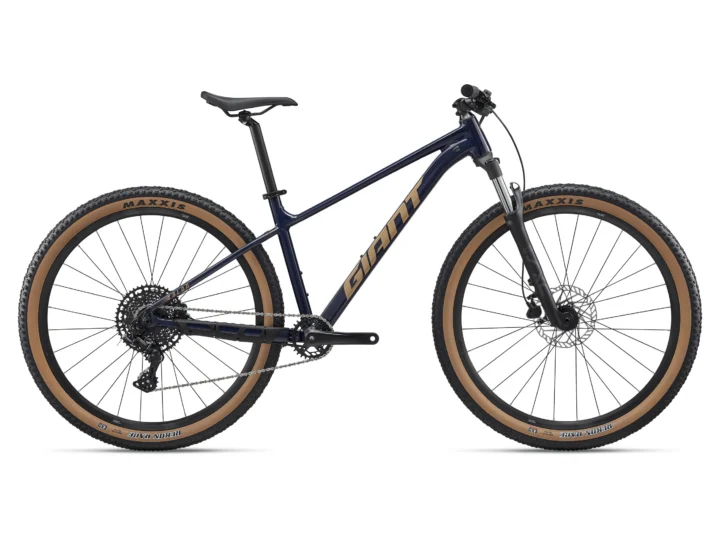
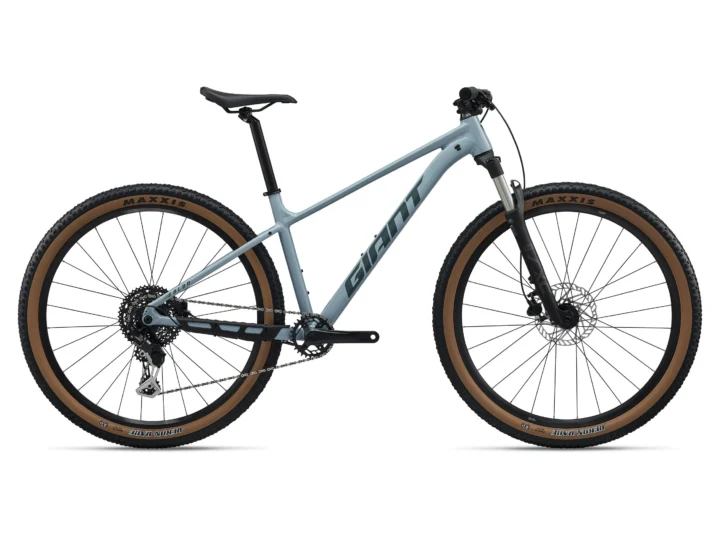
Talon 1
Original MSRP $1,000.00
Velopedia Brand Reference
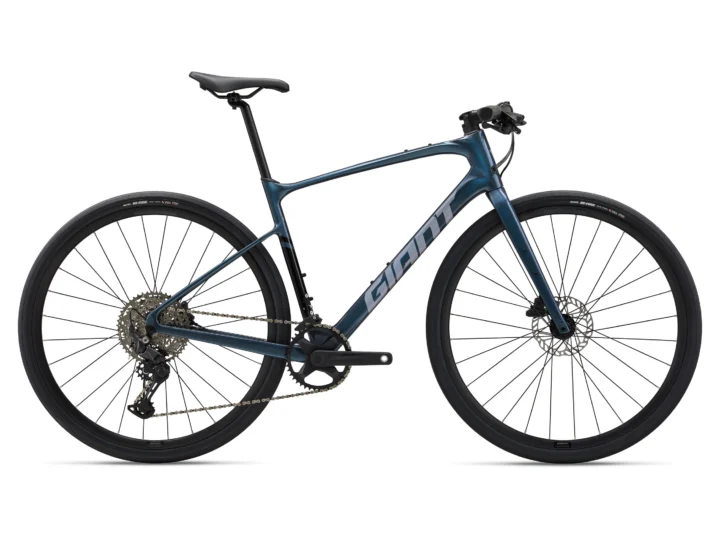
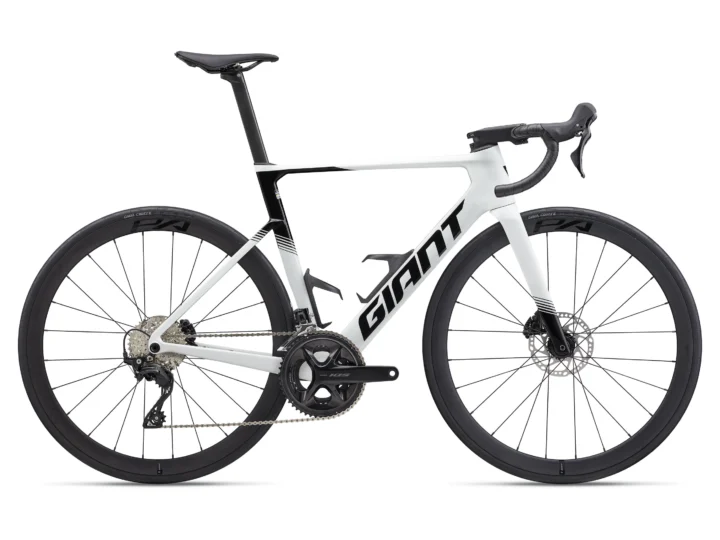
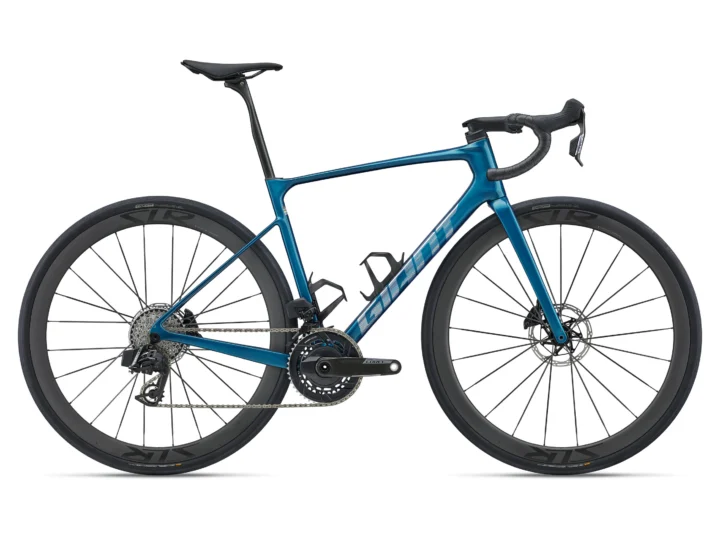
Giant is a full-line bicycle and cycling equipment company whose range covers nearly every mainstream riding category. Its current catalog includes race bikes, recreational models, transportation bikes, children’s bikes and multiple electric platforms, supported by an extensive selection of Giant-branded components and rider equipment.

Velopedia Bicycle Archive
Model years 1993–2027
Company overview
Giant is a full-line bicycle and cycling equipment company whose range covers nearly every mainstream riding category. Its current catalog includes race bikes, recreational models, transportation bikes, children’s bikes and multiple electric platforms, supported by an extensive selection of Giant-branded components and rider equipment.
The brand operates across a wide price range. Aluminum Talon, Escape and Contend models serve practical and entry-level buyers, while Advanced and Advanced SL composite bikes reach professional-level road, gravel and mountain-bike categories. This breadth makes Giant worth considering when a rider wants several frame and equipment levels built around the same basic platform.
Shopping the range can be confusing, however. Closely related model names, numbered build levels and overlapping model years mean that two bikes carrying the same family name may differ substantially in frame construction, cockpit compatibility, wheels and drivetrain.
Giant’s current US catalog includes these principal categories:
Giant designs many bikes as coordinated systems rather than frames fitted entirely with outside components. A complete bike may use Giant wheels, tires, cockpit parts, saddle, seatpost and tubeless hardware alongside a Shimano or SRAM drivetrain. That approach can produce sensible component packages at several prices, but it also means buyers should evaluate the house-brand parts rather than focusing only on the derailleur logo.
The frame naming provides a useful starting point. ALUXX identifies Giant’s aluminum construction, while Advanced and Advanced SL designate progressively higher composite frame levels. “Pro” and numbered build names further separate equipment packages, although their precise meaning varies between families. A lower build number generally indicates more expensive equipment, but the frame, fork, wheels and cockpit still need to be compared individually.
Maestro is Giant’s primary full-suspension layout. It uses two links and four pivots to create a floating virtual pivot, with the configuration adapted for Anthem, Trance and Reign platforms. Many Maestro bikes also use flip chips to alter geometry or accommodate different wheel configurations. The adjustment is useful, but only when the chip position, wheel size and suspension setup agree with the applicable manual.
Giant’s size labels are not uniform across every category. Many road and gravel bikes include an M/L size between Medium and Large, while certain mountain and children’s bikes receive different wheel sizes according to frame size. Compare stack, reach, effective top-tube length and standover height instead of transferring a size label directly from another brand.
Inspect cockpit and seatpost standards before changing fit. D-Fuse seatposts and handlebars use shaped sections intended for specific frames or applications. Some current Revolt frames can also accept a conventional 30.9mm round or dropper post, but that flexibility should not be assumed on every D-Fuse-equipped bike. Giant’s OverDrive Aero system uses a D-shaped steerer and a compatible stem, making an ordinary round-steerer stem unsuitable.
Some Giant carbon road and gravel WheelSystems use hookless rims. Replacement tires must meet the rim’s dimensional and pressure requirements, so check Giant’s current compatibility guidance before fitting a different tire. “Tubeless ready” by itself does not prove that a tire is approved for every hookless rim.
Integrated cable routing can also add labor to handlebar or stem changes, particularly when brake hoses pass through the cockpit. On electric models, confirm the exact SyncDrive motor, EnergyPak battery and RideControl generation before ordering electronics or range extenders.
Giant is especially suitable for riders who want broad model choice, multiple frame materials and a bike assembled around a coordinated component system. Riders who prefer boutique-level customization, universally interchangeable cockpit parts or the simplest possible model hierarchy may find a less integrated brand easier to navigate.
Practical reference
Coverage applies to the original owner. Giant recommends product registration, but the U.S. warranty page does not present registration as a blanket requirement. Claims require proof of purchase through an authorized retailer.
Read the official warranty policy →
Warranty terms can vary by product, region, purchase date, and owner status. Confirm the current policy with the manufacturer.
Historical specifications