Lowest1.08:1
Highest3.69:1
Total range343%
Estimated speed At 90 RPM
Lowest gear
Highest gear
Uses front tire 700C×25; rear size isn’t listed.
Velopedia Bicycle Archive
Original specifications: Shimano drivetrain · 700c wheels · legacy reference geometry.
Selling this bike? Get the spec link and selling options
At a glance
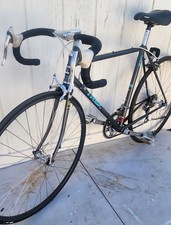
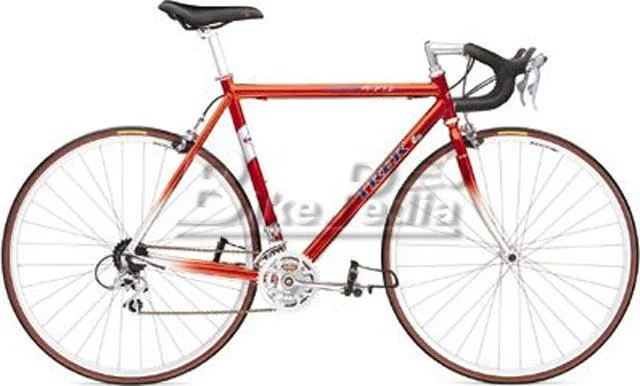
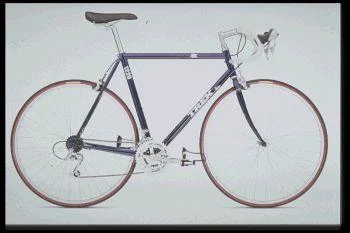
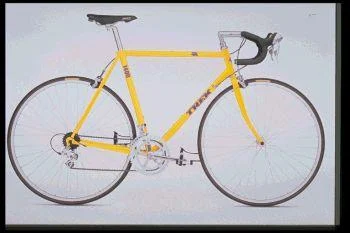
Checking your bike’s model year? Compare its frame details and original finish with nearby years.
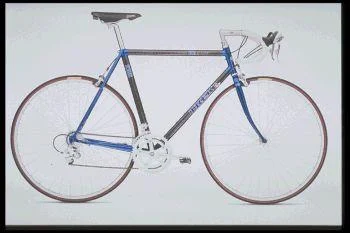
Colors can vary by market and components can be replaced. These are identification clues, not proof of the frame’s year.
| Frame Construction | Welded |
|---|---|
| Frame Material | Chromoly |
| Fork | Trek |
| Fork Material | Hi-tensile steel, unicrown crown |
| Component Group | Shimano |
|---|---|
| Shifters | Shimano 300EX down-tube |
| Front Derailleur | Shimano Tourney TY-30, bottom-pull/clamp-on 28.6 mm |
| Rear Derailleur | Shimano AceraX |
| Crankset | SR aluminum, 28/38/48 teeth |
| Bottom Bracket | Shimano BB-LP26, 118 mm spindle |
| BB Shell Width | 68mm English |
| Rear Cogs | 7-speed, 13 - 26 teeth |
| Chain | Shimano CN-UG50, 1/2 x 3/32" |
| Pedals | Victor VP-393 w/clips & straps |
| Brakes | Shimano 300EX brakes, Dia-Compe BL-07 levers |
|---|
| Headset | 1" HP8002ES |
|---|---|
| Handlebar | Hsin Lung aluminum |
| Stem | Chromoly |
| Saddle | Trek |
| Seatpost | Hsin Lung SP-51, 26.6 mm diameter |
| Hubs | Front: aluminum quick release, Rear: Shimano R050, silent clutch |
|---|---|
| Rims | Weinmann 217, 36-hole |
| Spokes | Stainless steel, 2.0mm double butted |
| Spoke Nipples | Brass nipples |
| Front Tire | 700 x 25c Trek Iso Tech II |
| Wheel Size | 700c wheels |
Historical measurements. Frame size unknown.
Reference drawing
Select an available measurement to locate it on the frame.
| Measurement | Legacy reference |
|---|---|
| Top tube | 555 mm |
| Head-tube angle | 73° |
| Seat-tube angle | 73° |
| Chainstay / rear center | 415 mm |
| Wheelbase | 986 mm |
| Fork offset / rake | 43 mm |
Frame size not recorded.
Lower gears help on climbs. Higher gears suit higher speeds.
RPM = pedal turns per minute.
Uses front tire 700C×25; rear size isn’t listed.
Ratio = front teeth ÷ rear teeth. Hub gears also include the hub’s internal ratio. A 400% range means the highest ratio is four times the lowest.
Speeds are estimates from tire size and pedal cadence. Actual speeds vary.
Your changes apply to this calculation. The archived build stays unchanged.
| Measure | Original | Your setup |
|---|---|---|
| Lowest ratio | — | — |
| Highest ratio | — | — |
| Total range | — | — |
| Lowest-gear speed | — | — |
| Highest-gear speed | — | — |
Speeds are estimates. These calculations do not establish component compatibility or available tire clearance.
Parts & serviceability
1/2 x 3/32"
118 mm spindle
26.6 mm diameter
Based on the original build. Check fit and installed parts before ordering. Affiliate links may earn Velopedia a commission. As an Amazon Associate I earn from qualifying purchases.
Start with the original build, then check what is fitted to your bike today.
This checklist uses the archived equipment for this bike. It cannot confirm the condition, service history or later component changes of the example in front of you.
Archived: 1997 Trek 420 · Road/sport · Published sizes: 43 cm, 50 cm, 54 cm, 56 cm, 58 cm, 60 cm
Archived: Frame: Welded · Fork: Trek · Hi-tensile steel, unicrown crown
Archived: Group: Shimano · Shifters: Shimano 300EX down-tube · Front derailleur: Shimano Tourney TY-30, bottom-pull/clamp-on 28.6 mm · Rear derailleur: Shimano AceraX · Crankset: SR aluminum, 28/38/48 teeth · Bottom bracket: Shimano BB-LP26, 118 mm spindle · Rear cogs: 7-speed, 13 - 26 teeth · Chain: Shimano CN-UG50, 1/2 x 3/32"
Archived: Brakes: Shimano 300EX brakes, Dia-Compe BL-07 levers
Archived: Wheel size: 700c wheels · Rims: Weinmann 217, 36-hole · Hubs: Front: aluminum quick release, Rear: Shimano R050, silent clutch · Front tire: 700 x 25c Trek Iso Tech II
Archived: Headset: 1" HP8002ES · Handlebar: Hsin Lung aluminum · Stem: Chromoly · Seatpost: Hsin Lung SP-51, 26.6 mm diameter · Saddle: Trek · Pedals: Victor VP-393 w/clips & straps
Share the details that would help another rider understand how this model fits, rides and holds up over time. Velopedia reviews every contribution before publication.
For privacy, Velopedia shows the same confirmation whether or not an experience exists.
We may earn a commission from purchases through these eBay links.
Used · Fixed price · offers accepted · USD 300.00
Shipping shown: $100.00; confirm for your destination.
Model year not confirmed
Used · Fixed price · USD 339.69
Shipping shown: $130.00; confirm for your destination.
Model year not confirmed
Asking prices, not completed sales. Shipping and tax excluded.
Search eBay US; check the model year, size and installed components. We may earn a commission from purchases.
Specifications are presented as a reference. Components may vary by market, size, production run, or later manufacturer revisions.