
Velopedia Bicycle Archive
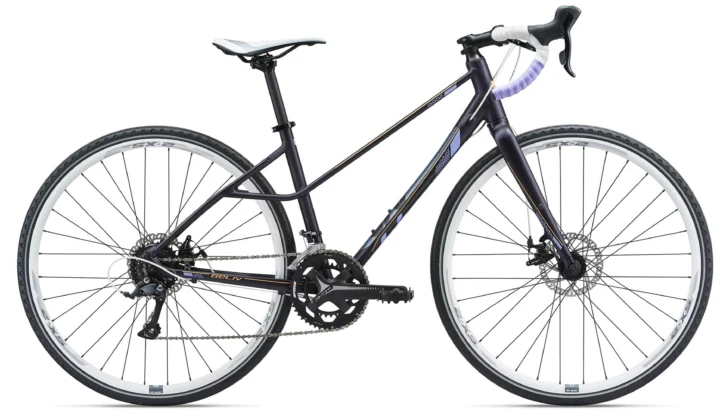
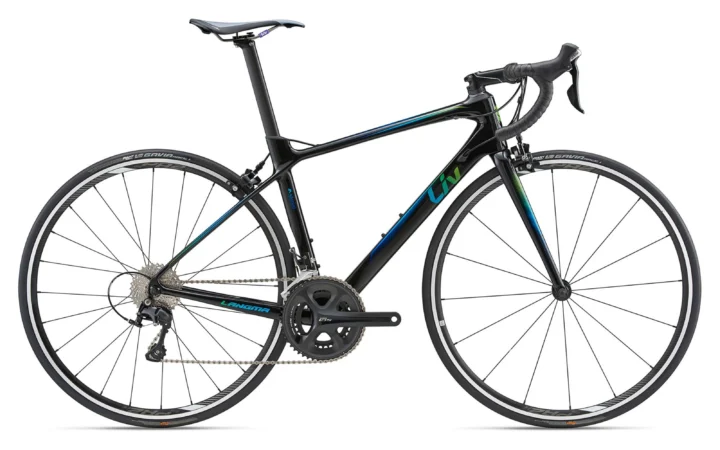
2018 Liv Langma Advanced 1
Original manufacturer specifications including geometry for 4 published sizes.
Selling this bike? Create a shareable bike record
What Velopedia knows
- Model year
- 2018
- Category
- Road
- Original MSRP
- $2,350.00
- Sizes
- XS, S, M, L
- Colors
- Smoke Carbon/Silver
- Geometry
- 4 manufacturer sizes · Geometry context
- Record coverage
- 23 preserved details · 4 archived images · original MSRP · preserved geometry
- Archive ID
- 900002337
Frameset
| Frame Construction | Advanced-grade composite |
|---|---|
| Frame Material | Carbon Fiber |
| Fork | Advanced-grade composite, Hybrid OverDrive steerer |
| Fork Material | Carbon Fiber |
| Rear Shock | N/A |
Drivetrain
| Shifters | Shimano Ultegra |
|---|---|
| Front Derailleur | Shimano Ultegra |
| Rear Derailleur | Shimano Ultegra |
| Crankset | Shimano Ultegra, 34/50 |
| Bottom Bracket | Shimano, Press Fit |
| Cassette | Shimano Ultegra 11x30, 11-Speed |
| Chain | KMC X11EL-1 |
| Pedals | N/A |
Brakes
| Brakes | Shimano Ultegra |
|---|
Cockpit & Contact Points
| Handlebar | Giant Contact , 31.8mm |
|---|---|
| Stem | Giant Connect |
| Saddle | Contact Forward |
| Seatpost | Giant Variant, composite |
Wheels & Tires
| Hubs | Giant Performance Tracker Road, Sealed Bearings, QR, 28h |
|---|---|
| Rims | Giant PR-2, Tubeless |
| Spokes | Dynamic Balanced Lacing, Sapim Race 14/15g |
| Front Tire | Giant Gavia AC 1 Tubeless, 700x25, Folding |
| Rear Tire | Giant Gavia AC 1 Tubeless, 700x25, Folding |
Size-specific frame data
Geometry
Manufacturer-published geometry normalized for consistent archival comparison. Effective top tube and reach remain separate measurements because they describe different aspects of fit.
| Measurement | XS | S | M | L |
|---|---|---|---|---|
| Seat tube | 410 mm | 445 mm | 480 mm | 515 mm |
| Top tube | 507 mm | 524 mm | 540 mm | 555 mm |
| Head tube | 115 mm | 130 mm | 150 mm | 170 mm |
| Head-tube angle | 71° | 72° | 72.5° | 72.5° |
| Seat-tube angle | 75° | 74.5° | 74° | 73.5° |
| Chainstay / rear center | 405 mm | 405 mm | 405 mm | 405 mm |
| Wheelbase | 972 mm | 974 mm | 981 mm | 991 mm |
| Bottom-bracket drop | 70 mm | 68 mm | 68 mm | 68 mm |
| Reach | 371 mm | 378 mm | 384 mm | 388 mm |
| Stack | 508 mm | 525 mm | 546 mm | 565 mm |
| Standover height | 679 mm | 701 mm | 728 mm | 754 mm |
| Fork offset / rake | 49 mm | 45 mm | 45 mm | 45 mm |
| Trail | 66 mm | 64 mm | 60 mm | 60 mm |
| Crank length | 165 mm | 170 mm | 170 mm | 172.5 mm |
| Stem length | 80 mm | 90 mm | 100 mm | 110 mm |
| Handlebar width | 380 mm | 380 mm | 400 mm | 420 mm |
| Wheel size | 700C | 700C | 700C | 700C |
Geometry source: Liv first-party size geometry table ↗ Measurements can vary by configuration, wheel size, or flip-chip position where noted by the manufacturer.
Geometry tools
Analyze a published size
XS geometry
Archive context: The chainstay of 405 mm sits somewhat shorter than typical. Its wheelbase of 972 mm sits somewhat shorter than typical. Its stack of 508 mm sits somewhat lower than typical.
Compared with 16 distinct road geometries in the XS-equivalent size cohort from model years 2016–2020 in the Velopedia archive.Want to go deeper?Open this exact published size and configuration in the Velopedia Geometry Analyzer, then complete any measurements the manufacturer did not provide.
Analyze XS geometry S geometry
Archive context: Its wheelbase of 974 mm sits toward the shorter end. The chainstay of 405 mm sits somewhat shorter than typical. Its stack of 525 mm sits somewhat lower than typical.
Compared with 23 distinct road geometries in the Small-equivalent size cohort from model years 2016–2020 in the Velopedia archive.Want to go deeper?Open this exact published size and configuration in the Velopedia Geometry Analyzer, then complete any measurements the manufacturer did not provide.
Analyze S geometry M geometry
Archive context: Its wheelbase of 981 mm sits toward the shorter end. The chainstay of 405 mm sits somewhat shorter than typical. Its stack of 546 mm sits somewhat lower than typical.
Compared with 23 distinct road geometries in the Medium-equivalent size cohort from model years 2016–2020 in the Velopedia archive.Want to go deeper?Open this exact published size and configuration in the Velopedia Geometry Analyzer, then complete any measurements the manufacturer did not provide.
Analyze M geometry L geometry
Archive context: Its wheelbase of 991 mm sits toward the shorter end. Its stack of 565 mm sits toward the lower end. The chainstay of 405 mm sits somewhat shorter than typical.
Compared with 14 distinct road geometries in the Large-equivalent size cohort from model years 2016–2020 in the Velopedia archive.Want to go deeper?Open this exact published size and configuration in the Velopedia Geometry Analyzer, then complete any measurements the manufacturer did not provide.
Analyze L geometry Parts & serviceability
Find replacement parts
KMC X11EL-1
Exact archived model
Shimano Ultegra 11x30, 11-Speed
Interpreted as Shimano Ultegra · 11-speed Component family — verify exact version
Shimano, Press Fit
Named archived component — verify dimensions
More qualified parts (4)
Shimano Ultegra, 34/50
Named archived component — verify exact version
Shimano Ultegra
Interpreted as Shimano Ultegra · 11-speed Named component · published drivetrain speed — verify exact version
Before ordering: Confirm whether the drivetrain is mechanical or electronic before ordering.
Shimano Ultegra
Interpreted as Shimano Ultegra · 11-speed Named component · published drivetrain speed — verify exact version
Before ordering: Confirm whether the drivetrain is mechanical or electronic before ordering.
Shimano Ultegra
Interpreted as Shimano Ultegra · 11-speed Named component · published drivetrain speed — verify exact version
Before ordering: Confirm whether the drivetrain is mechanical or electronic before ordering.
Searches use the archived manufacturer specification, not the components currently installed on a particular bicycle. Confirm the exact model, size and fit before ordering. As an Amazon Associate I earn from qualifying purchases. Velopedia may also earn from qualifying eBay purchases. Commercial relationships do not influence Archive specifications or analysis.
Used-bike inspection
If you’re buying this bike used
Before any test ride: both brakes should stop the bike firmly and release cleanly; both wheels should run true and be securely attached; tires should have no casing damage; and the headset, handlebar, stem, cranks and pedals should have no looseness or play.
Follow the full used-bike inspection order →- FrameInspect the frame in bright light, especially around the head tube, bottom bracket, chainstays and clamped areas. Look for cracks, ripples, crushed sections or signs of a previous impact.Inspect the frame and fork →
- BrakesTest each brake separately and confirm it stops firmly and releases cleanly. Inspect the pads and braking surfaces for wear or contamination, and check the cables or hoses for damage.Inspect the brakes →
- DrivetrainShift through every gear under light load and measure chain wear. Confirm that the shifter, derailleur, chain and cassette belong to the same 11-speed system.Check drivetrain wear →
- Wheels & tiresSpin both wheels and watch the rims for side-to-side or vertical movement. Check for dents, cracks, loose or uneven spokes and hub play, then inspect both tire casings for cuts, cracking or exposed threads. If it is set up tubeless, confirm both tires hold pressure and ask when the sealant was last refreshed.Check wheels and tires →
- Bottom bracketTurn the cranks slowly, feel for rough bearings and check for side-to-side play. Creaking under load deserves investigation but does not identify the source by itself.Inspect the bottom bracket and shell →
Bike-specific inspection checklist 20 checks based on 5 archived component groups Open checklistClose checklist
This checklist uses the archived equipment for this bike. It cannot confirm the condition, service history or later component changes of the example in front of you.
Identity and fit
Follow the full used-bike inspection order →Archived: 2018 Liv Langma Advanced 1 · Road · Published sizes: XS, S, M, L
Frame and fork
Inspect the frame and fork →Archived: Frame: Advanced-grade composite · Fork: Advanced-grade composite, Hybrid OverDrive steerer · Carbon Fiber
Drivetrain
Check drivetrain wear →Archived: Shifters: Shimano Ultegra · Front derailleur: Shimano Ultegra · Rear derailleur: Shimano Ultegra · Crankset: Shimano Ultegra, 34/50 · Bottom bracket: Shimano, Press Fit · Cassette: Shimano Ultegra 11x30, 11-Speed · Chain: KMC X11EL-1
Brakes
Inspect the brakes →Archived: Brakes: Shimano Ultegra
Wheels and tires
Check wheels and tires →Archived: Rims: Giant PR-2, Tubeless · Hubs: Giant Performance Tracker Road, Sealed Bearings, QR, 28h · Front tire: Giant Gavia AC 1 Tubeless, 700x25, Folding · Rear tire: Giant Gavia AC 1 Tubeless, 700x25, Folding
Controls and contact points
Archived: Handlebar: Giant Contact , 31.8mm · Stem: Giant Connect · Seatpost: Giant Variant, composite · Saddle: Contact Forward
Before and during the test ride
Follow the full used-bike inspection order →Build relationships are limited to the archived manufacturer specifications. Confirm exact fit and standards before ordering parts or performing service.
Have you owned this bike?Help preserve its real-world history by sharing your owner experience.
Share the details that would help another rider understand how this model fits, rides and holds up over time. Velopedia reviews every contribution before publication.
Already contributed? Send me a fresh private edit link
For privacy, Velopedia shows the same confirmation whether or not an experience exists.
Gallery
Current market
Snapshot not yet availableProtected live updateReady after page interactionAutomated crawlers do not trigger marketplace requests.
Move, scroll, tap or type to start the protected update.
Specifications are presented as a reference. Components may vary by market, size, production run, or later manufacturer revisions.