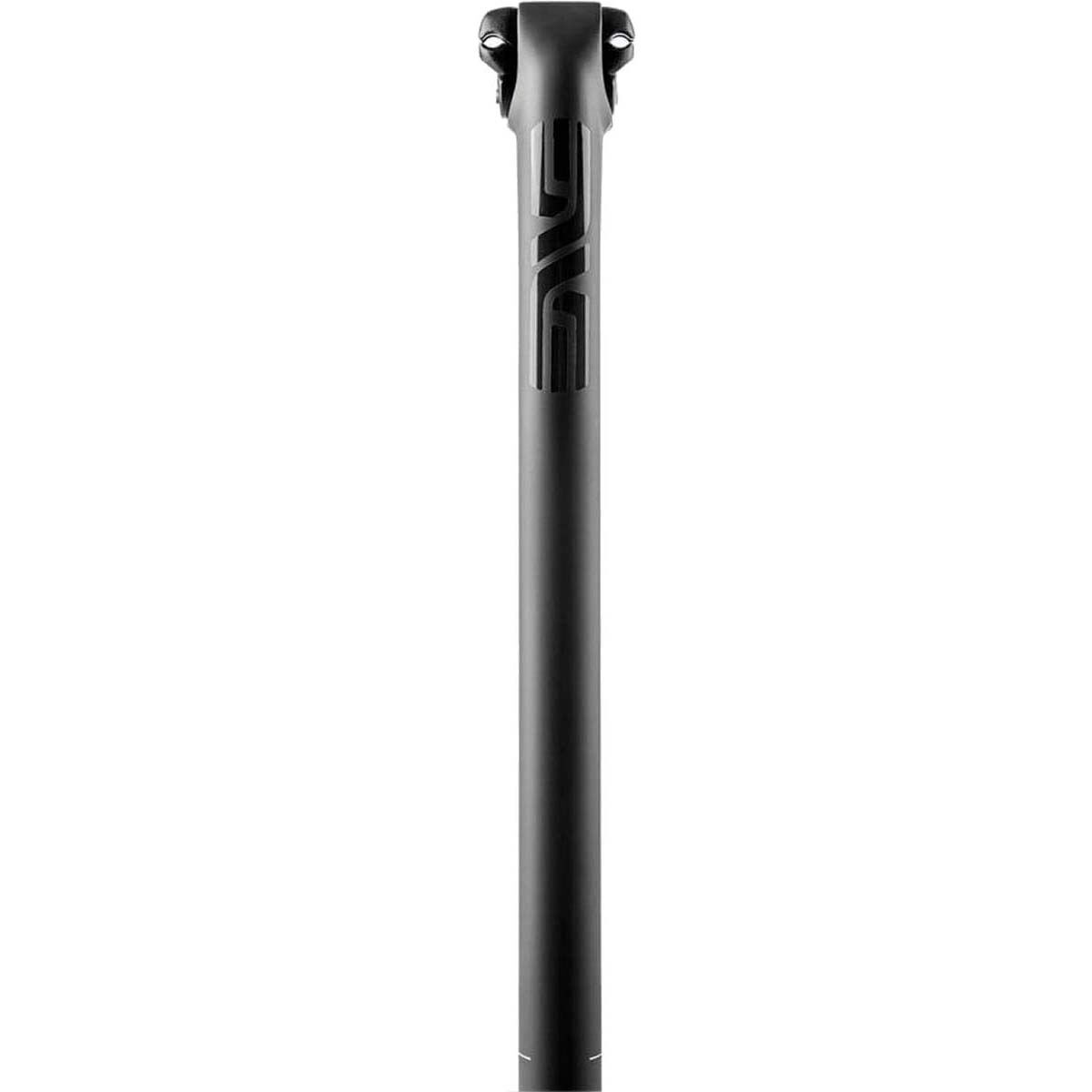
ENVE Twin Bolt Seatpost - 25mm Offset UD Carbon, 25.4mm
25.4mm
Replacement option · verify fit
Velopedia Bicycle Archive
Original specifications: BMX Mix drivetrain · 20" wheels · legacy reference geometry.
Selling this bike? Create a shareable bike record
At a glance
| Frame Construction | TIG-welded |
|---|---|
| Frame Material | Chromoly |
| Fork | Diamondback |
| Fork Material | Chromoly, unicrown crown |
| Component Group | BMX Mix |
|---|---|
| Crankset | 175mm tubular Cromo, 36 teeth |
| Bottom Bracket | Loose ball w/ 8 spline |
| Rear Cogs | 1-speed, 13 teeth |
| Chain | KMC Z410 |
| Pedals | DB Bigfoot Alloy w/ steel pins |
| Brakes | Tektro 907A U-brake w/ SST DC Amplifier brakes, Tektro 2 finger front/Tektro 2 finger rear levers |
|---|
| Headset | 1 1/8" threadless FSA |
|---|---|
| Handlebar | Hi-Ten Remington steel 2-piece |
| Handlebar Extensions | Not included |
| Stem | DB D-Day SLK 4 bolt alloy |
| Saddle | DB Driver's Seat |
| Seatpost | Steel micro-adjust, 25.4mm diameter |
| Hubs | Aluminum shell w/ 14mm Axle |
|---|---|
| Rims | Sun ZX-25, 48-hole |
| Spokes | 14ga. (2.0mm) straight gauge |
| Front Tire | 20 x 2.10" DB Cellblock |
| Wheel Size | 20" wheels |
Model-level measurements; the frame size was not recorded. Use these as a historical reference, not for size-specific fit.
Reference frame view
Select an available measurement to locate it on the frame.
| Measurement | Legacy reference |
|---|---|
| Top tube | 508 mm |
| Head-tube angle | 74° |
| Seat-tube angle | 70° |
| Chainstay / rear center | 361.9 mm |
The preserved source contains one model-level geometry set without an identified frame size.
Parts & serviceability
25.4mm
Replacement option · verify fit
Based on the original build. Confirm the model, size and fit before ordering; installed parts may differ. As an Amazon Associate I earn from qualifying purchases. Velopedia may also earn from qualifying eBay purchases. Velopedia may also earn from qualifying retailer purchases.
This checklist uses the archived equipment for this bike. It cannot confirm the condition, service history or later component changes of the example in front of you.
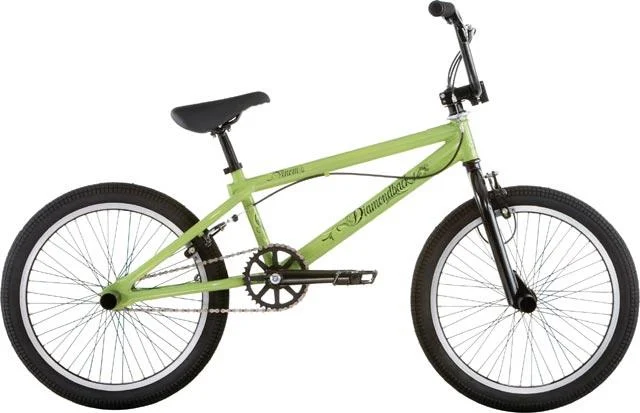
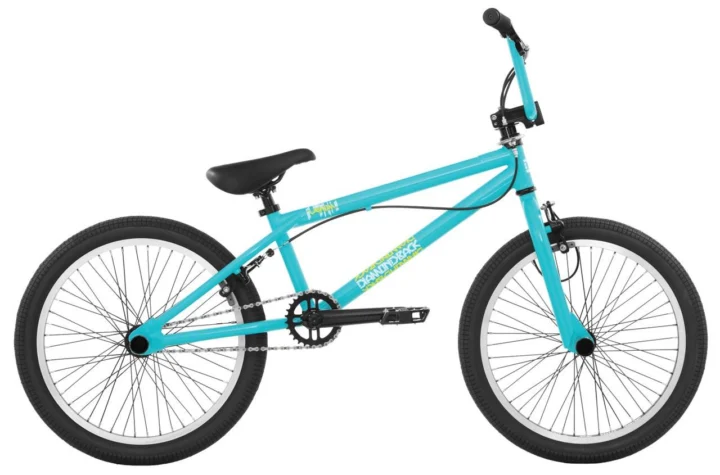
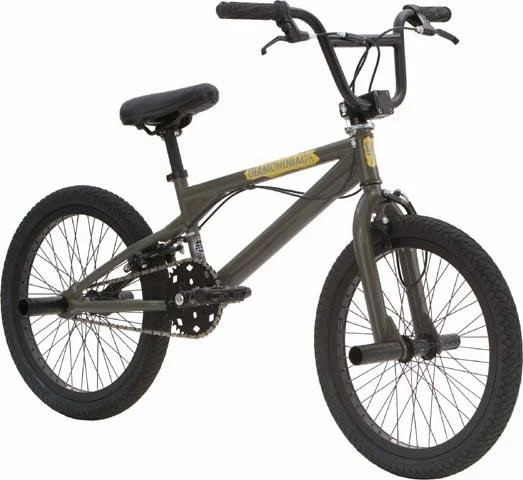
Archived: 2007 Diamondback Venom · BMX
Archived: Frame: TIG-welded · Fork: Diamondback · Chromoly, unicrown crown
Archived: Group: BMX Mix · Crankset: 175mm tubular Cromo, 36 teeth · Bottom bracket: Loose ball w/ 8 spline · Rear cogs: 1-speed, 13 teeth · Chain: KMC Z410
Archived: Brakes: Tektro 907A U-brake w/ SST DC Amplifier brakes, Tektro 2 finger front/Tektro 2 finger rear levers
Archived: Wheel size: 20" wheels · Rims: Sun ZX-25, 48-hole · Hubs: Aluminum shell w/ 14mm Axle · Front tire: 20 x 2.10" DB Cellblock
Archived: Headset: 1 1/8" threadless FSA · Handlebar: Hi-Ten Remington steel 2-piece · Stem: DB D-Day SLK 4 bolt alloy · Seatpost: Steel micro-adjust, 25.4mm diameter · Saddle: DB Driver's Seat · Pedals: DB Bigfoot Alloy w/ steel pins
Share the details that would help another rider understand how this model fits, rides and holds up over time. Velopedia reviews every contribution before publication.
For privacy, Velopedia shows the same confirmation whether or not an experience exists.
Checking current listings…
Specifications are presented as a reference. Components may vary by market, size, production run, or later manufacturer revisions.