2014
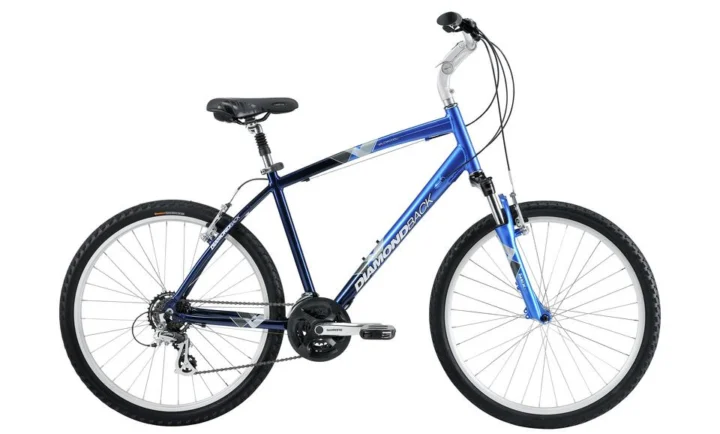
Wildwood Deluxe
Original MSRP $550.00
Velopedia Brand Reference
Diamondback is an American-origin bicycle brand with deep roots in BMX and mountain biking. Its current U.S. catalog is centered on hardtail and full-suspension mountain bikes, one gravel platform, and a Class 3 urban e-bike. Although BMX established the Diamondback name, the present Diamondback-branded collection does not contain BMX bikes; the BMX products on the shared storefront belong to sibling brand Redline.
Velopedia Bicycle Archive
Model years 1993–2014
Company overview
Diamondback is an American-origin bicycle brand with deep roots in BMX and mountain biking. Its current U.S. catalog is centered on hardtail and full-suspension mountain bikes, one gravel platform, and a Class 3 urban e-bike. Although BMX established the Diamondback name, the present Diamondback-branded collection does not contain BMX bikes; the BMX products on the shared storefront belong to sibling brand Redline.
The brand has historically occupied a wide portion of the market, ranging from inexpensive recreational bikes to carbon full-suspension models. Its recent products generally use recognizable Shimano, SRAM, RockShox, Bosch, and other established components rather than extensive proprietary integration. That can make routine servicing and future component replacement more approachable than with some boutique platforms.
The current range is unusually limited, however. At the time this overview was prepared, all 11 Diamondback-branded bicycles shown on the U.S. website were marked sold out. Diamondback may still be worth considering through remaining dealer inventory or the used market, but buyers should verify availability, model year, and replacement-part support before making plans around a particular bike.
The live U.S. collection currently lists the following bicycle families:
Diamondback’s most distinctive recent mountain-bike feature is its Level Link rear suspension. Used on Release and Yowie models, the design employs two short counter-rotating links intended to separate pedaling forces from suspension movement. The Release range is aimed at general trail riding, while the Yowie uses less rear travel and a more cross-country-oriented configuration.
This system gave Diamondback a recognizable identity beyond entry-level bicycles, and the brand offered both aluminum and carbon versions at several equipment levels. The tradeoff is that frame bearings, links, hangers, axles, shock hardware, and some cable-routing parts must match the exact model and generation. Standard drivetrain and suspension components can usually be serviced through their respective manufacturers, but frame-specific pieces depend on Diamondback or remaining dealer inventory.
The Haanjo follows a more conventional approach. The currently listed Haanjo 5 combines an aluminum frame, carbon fork, thru-axles, gravel tires, electronic 1× shifting, and a dropper post. It is better viewed as an off-pavement adventure bike than a conventional lightweight road bike. Diamondback’s current collection does not offer a dedicated road-racing model.
Diamondback’s name also covers many decades of bicycles with widely different specifications and intended uses. An older Diamondback Racing mountain bike, a department-store-era recreational model, and a recent Level Link trail bike should not be treated as equivalent simply because they share a downtube logo.
First determine whether the bicycle is genuinely available and identify its model year. Current product pages do not consistently display a year, and an online listing may represent older inventory rather than a new model-year release. Ask the seller for the product ID, serial number, original specification, and purchase documentation.
Use the model-specific size information rather than relying entirely on rider-height ranges. Some Hatch sizes use 27.5-inch wheels while larger sizes use 29-inch wheels. Full-suspension buyers should also inspect pivot bearings, linkage hardware, shock condition, dropper operation, and frame clearances.
Diamondback offers home delivery, participating-shop pickup, and mobile delivery where available. A home-delivered bike arrives partially assembled and still requires correct installation, adjustment, and a complete fastener and brake check. Riders without suitable tools or assembly experience should budget for professional setup.
For a Union e-bike, confirm that the Bosch motor, battery, display, charger, and battery keys are all included. Battery age and storage history matter on leftover and used inventory, and Class 3 access rules vary by location and trail system.
Diamondback will appeal most to a value-conscious rider who finds the right model at a substantial discount, is comfortable evaluating its age and specification, and has confirmed access to service parts. Someone wanting a clearly supported current-year range, extensive dealer inventory, or predictable long-term access to proprietary frame hardware may be better served by a brand with a more active present catalog.
Historical specifications
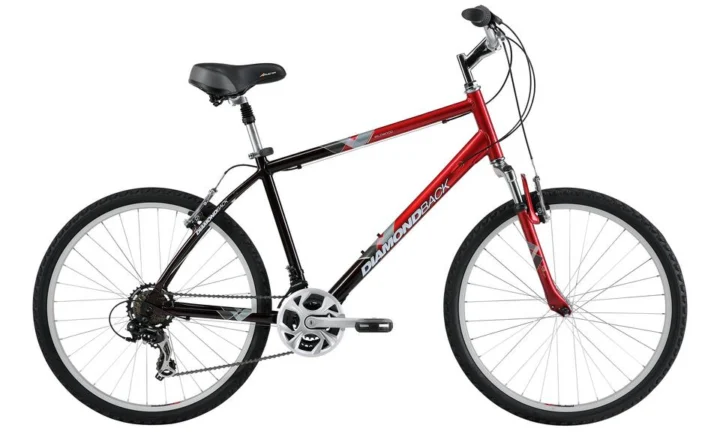
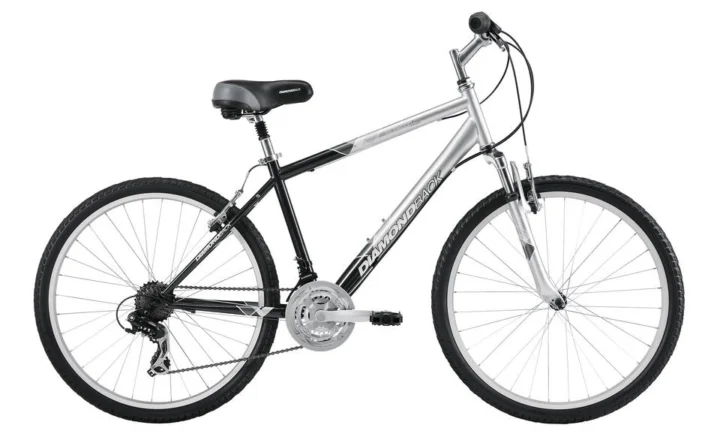
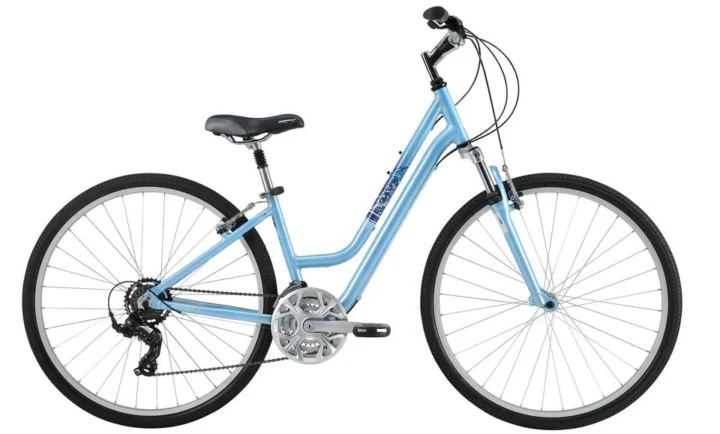
 Image not available