
Velopedia Bicycle Archive

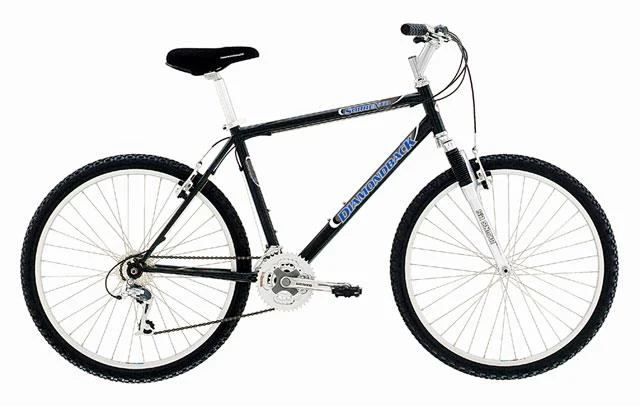
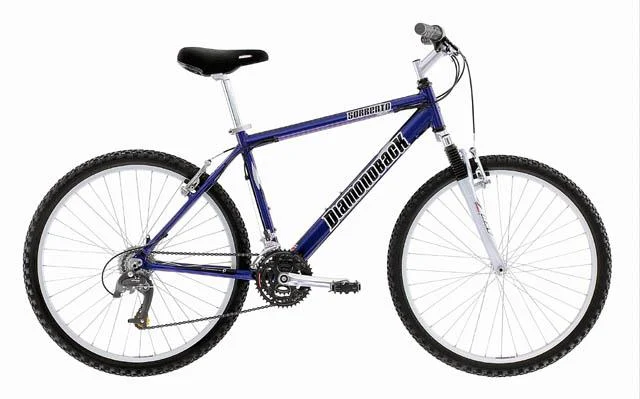
1995 Diamondback Sorrento Sport

Mountain bike, front suspension bicycle from the Velopedia specification archive.

Share owner experience

Selling this bike? Create a Bike History Report

Original MSRP
$400.00
Sizes
14", 16", 18", 20", 22"
Colors
Blue swirl, Gloss Black
Weight
32.5 lb
Geometry
Legacy reference · Ride analysis
Archive ID
32193
Image not available

Current market

Snapshot not yet available
Protected live updateReady after page interactionAutomated crawlers do not trigger marketplace requests.

Move, scroll, tap or type to start the protected update.

Velopedia analysis

What the specifications mean

Derived from the archived manufacturer recordHow Velopedia reads these specifications →

The fork provides the documented suspension, so fork setup and rear-tire pressure are the main adjustments for balancing the two ends of the bike. The 255% cassette range describes the available gearing more clearly than the component-group name alone. On the steel frame, paint damage and moisture entry deserve attention because corrosion can begin at scratches, vent holes or internal surfaces.

Suspension setup Front only Fork settings affect the front while rear-wheel behavior remains dependent on tire and wheel setup.
Gearing 255% cassette range Calculated from the published 11–28-tooth sprocket span.
Frame material Steel Paint damage and moisture entry matter because corrosion can start externally or inside the frame.
Wheel standard Nominal 26 inch Confirm the ISO bead-seat diameter because several incompatible standards have used this name.

Used-bike inspection

If you’re buying this bike used

Before any test ride: both brakes should stop the bike firmly and release cleanly; both wheels should run true and be securely attached; tires should have no casing damage; and the headset, handlebar, stem, cranks and pedals should have no looseness or play.

Follow the full used-bike inspection order →
  • FrameCheck paint chips, vent holes and the inside of the seat tube for corrosion. Also look for dents, bent tubes and cracking around welded or brazed joints.Inspect the frame and fork →
  • BrakesTest each brake separately and confirm it stops firmly and releases cleanly. Inspect the pads and braking surfaces for wear or contamination, and check the cables or hoses for damage.Inspect the brakes →
  • SuspensionAsk when the fork was last serviced. Check the stanchions for damage, look for oil at the seals and make sure the fork moves smoothly without bushing play.Evaluate the suspension →
  • DrivetrainShift through every gear under light load and measure chain wear. Confirm that the shifter, derailleur, chain and cassette belong to the same 7-speed system.Check drivetrain wear →
  • Wheels & tiresSpin both wheels and watch the rims for side-to-side or vertical movement. Check for dents, cracks, loose or uneven spokes and hub play, then inspect both tire casings for cuts, cracking or exposed threads.Check wheels and tires →
Bike-specific inspection checklist 21 checks based on 6 archived component groups Open checklistClose checklist
0 of 21 checked Progress stays in this browser for this bike.

This checklist uses the archived equipment for this bike. It cannot confirm the condition, service history or later component changes of the example in front of you.

Archived: 1995 Diamondback Sorrento Sport · Mountain bike, front suspension · Published sizes: 14", 16", 18", 20", 22"

Archived: Frame: TIG-welded steel · Fork: RST 170 · Aluminum/chromoly, triple-clamp crown

Archived: Fork: RST 170

Archived: Group: Shimano AceraX · Shifters: Grip Shift MRX-100 · Front derailleur: Shimano AceraX, bottom-pull · Rear derailleur: Shimano AceraX · Crankset: SR CW-CH15, 24/34/42 teeth · Rear cogs: 7-speed, 11 - 28 teeth · Chain: KMC HP-70S, 1/2 x 3/32"

Archived: Brakes: Shimano Altus C90 brakes, Chang Star 264A-1 levers

Archived: Wheel size: 26" wheels · Rims: FL-519, 36-hole · Hubs: Shimano Altus C90/Shimano AceraX · Front tire: 26 x 2.10" Kenda K-836

Controls and contact points

Archived: Headset: 1" YST 226N · Handlebar: Hsin Lung MTB 110 · Stem: Hsin Lung MTS 31900 · Seatpost: Kalloy SP-204, 26.6 mm diameter · Saddle: Selle San Marco Slim · Pedals: Victor VP-882

Before and during the test ride

Follow the full used-bike inspection order →

Interpretation based on the archived manufacturer specifications. Confirm exact fit and standards before ordering parts or performing service.

My Garage

Velopedia

Enter your email and Velopedia will send a private sign-in link. No password required.

Have you owned this bike?Help preserve its real-world history by sharing your owner experience.

Share the details that would help another rider understand how this model fits, rides and holds up over time. Velopedia reviews every contribution before publication.

After submitting, use the verification link sent to your email. Nothing appears publicly until Velopedia approves it.

Already contributed? Send me a fresh private edit link

For privacy, Velopedia shows the same confirmation whether or not an experience exists.

Manufacturer catalog

Published sizes and colors

5 sizes · 2 colors

Manufacturer-published sizes and colors; availability and exact size/color pairings may vary by market or production run.

Published sizes

14"16"18"20"22"

Published colors

Blue swirlGloss Black

Frameset

Frame ConstructionTIG-welded steel
Frame MaterialChromoly, MTB, main triangle / hi-tensile steel
ForkRST 170
Fork MaterialAluminum/chromoly, triple-clamp crown

Drivetrain

Component GroupShimano AceraX
ShiftersGrip Shift MRX-100
Front DerailleurShimano AceraX, bottom-pull
Rear DerailleurShimano AceraX
CranksetSR CW-CH15, 24/34/42 teeth
Rear Cogs7-speed, 11 - 28 teeth
ChainKMC HP-70S, 1/2 x 3/32"
PedalsVictor VP-882

Brakes

BrakesShimano Altus C90 brakes, Chang Star 264A-1 levers

Cockpit & Contact Points

Headset1" YST 226N
HandlebarHsin Lung MTB 110
Handlebar ExtensionsNot included
StemHsin Lung MTS 31900
SaddleSelle San Marco Slim
SeatpostKalloy SP-204, 26.6 mm diameter

Wheels & Tires

HubsShimano Altus C90/Shimano AceraX
RimsFL-519, 36-hole
SpokesStraight gauge
Spoke NipplesBrass nipples
Front Tire26 x 2.10" Kenda K-836
Wheel Size26" wheels

Historical reference geometry

Geometry

Legacy reference · 6 measurements

Historical model-level geometry recovered from Velopedia’s original archive database. The source does not identify which listed frame size this reference describes, so fit interpretation is intentionally limited and no size-normalized Archive Context is generated.

MeasurementLegacy reference
Top tube563.9 mm
Head-tube angle71°
Seat-tube angle73°
Chainstay / rear center424.2 mm
Wheelbase1059.2 mm
Fork offset / rake38.1 mm

Geometry source: Historical archive database — model-level reference geometry. The historical source provides one model-level geometry set and does not identify the corresponding frame size.

Geometry interpretation

What this geometry means

Legacy reference geometry

Fit reference

The historical source lists a 563.9 mm top-tube length, but it does not identify which frame size this model-level reference describes or whether the historical field was measured horizontally. Treat it as an archival frame reference rather than a size-specific fit recommendation. Its 73° seat-tube angle describes the reference frame’s seat-line orientation. Actual seated position still depends on frame size, saddle height and fore-aft adjustment.

Handling tendencies

The 71° head angle points to relatively quick-steering by current mountain-bike conventions steering geometry. Wheelbase is listed at 1059.2 mm, but because the historical source does not identify frame size, it is retained as a model reference rather than used for a size-normalized handling conclusion. Fork offset is listed at 38.1 mm. Offset works with head angle and wheel size to determine trail, so it is useful steering evidence even though the archive does not provide enough information here to calculate trail reliably.

Period context

At 71°, the head angle sits close to the middle of the group among mountain geometries represented in Velopedia for this period. Its 73° seat angle is close to the middle of the group among the same-period mountain references.

Compared with 1527 distinct legacy mountain geometries from model years 1993–1997. Only angular measurements are used because the historical reference frame size is unidentified.

This is historical model-level reference geometry, not a known frame-size geometry table or a ride test. Frame size, rider proportions, cockpit setup, tires, suspension and components can materially change fit and handling.

Specifications are presented as a reference. Components may vary by market, size, production run, or later manufacturer revisions.
Scroll to Top