
Velopedia Bicycle Archive
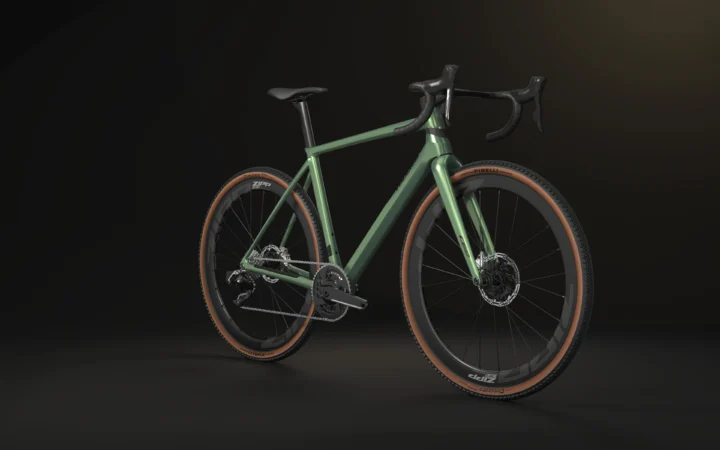
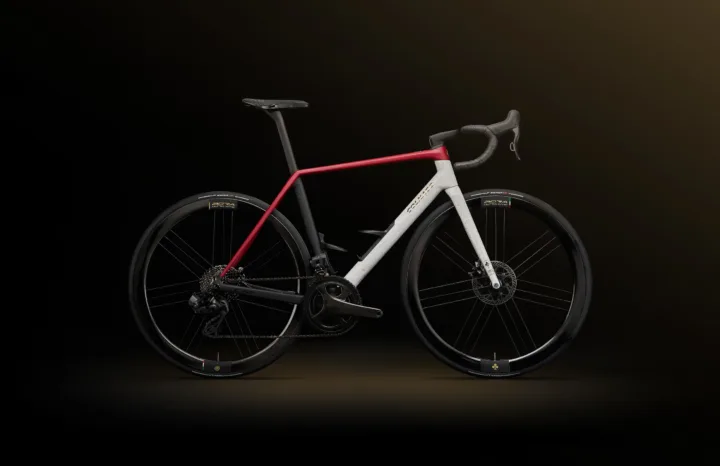
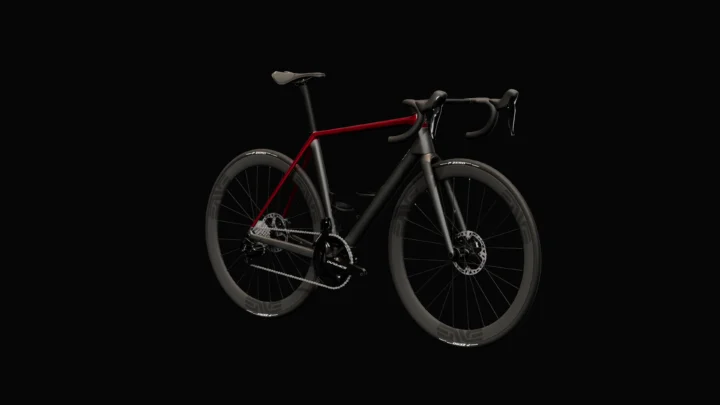
2026 Colnago Steelnovo Frame kit
Road bicycle from the Velopedia specification archive.
- Original MSRP
- From $6,497.00
- Sizes
- 420, 455, 485, 510, 530, 550, 570
- Weight
- Size 485 unpainted frame: 1.895g
- Geometry
- 7 manufacturer sizes · Ride analysis
- Archive ID
- 900000786
Current market
Snapshot not yet availableProtected live updateReady after page interactionAutomated crawlers do not trigger marketplace requests.
Move, scroll, tap or type to start the protected update.
Velopedia analysis
What the specifications mean
On the steel frame, paint damage and moisture entry deserve attention because corrosion can begin at scratches, vent holes or internal surfaces. A threaded bottom bracket still requires the correct shell width, thread standard and crank-spindle interface before replacement. The published Size 485 unpainted frame: 1.895g weight is a reference for the documented build; frame size, pedals, tire setup and production substitutions can change an actual scale reading.
Frame material
Steel
Paint damage and moisture entry matter because corrosion can start externally or inside the frame.
Bottom bracket
Threaded interface
Shell width, thread standard and crank-spindle interface still require confirmation.
Published weight
Size 485 unpainted frame: 1.895g
Frame size, pedals, tire setup and production substitutions can change the measured result.
Starting MSRP
$6,497.00
Historical launch-position context—not a current valuation or asking price.
Understand MSRP and market evidence →
Used-frameset inspection
If you’re buying this frameset used
Before buying: confirm the serial number and exact model, inspect frame and fork alignment, and inventory every included axle, hanger, clamp, headset part, cable guide and proprietary fitting.
Inspect the frame and fork →- FrameCheck paint chips, vent holes and the inside of the seat tube for corrosion. Also look for dents, bent tubes and cracking around welded or brazed joints.Inspect the frame and fork →
- Bottom bracket shellInspect the bottom-bracket shell for damaged threads, corrosion, ovalization, cracks or signs of an improvised repair. Confirm the archived shell standard and width before buying components.Inspect the bottom bracket and shell →
- Included hardwareInventory every axle, hanger, clamp, headset part, cable guide, frame plug and proprietary fitting included with the frameset. Confirm replacement availability before treating a missing small part as insignificant.
Used-frameset inspection checklist 14 universal checks for a record with limited component data Open checklistClose checklist
The archived record does not contain enough component detail for a fully specification-informed frameset checklist. Use these universal checks on the frameset in front of you, inventory every included part and confirm exact interfaces before choosing components.
Identity and fit
Follow the full used-bike inspection order →Archived: 2026 Colnago Steelnovo Frame kit · Road · Published sizes: 420, 455, 485, 510, 530, 550, 570
Frame and fork
Inspect the frame and fork →Archived: Frame: Steel tubes and lugs with 3D-printed steel lugs · Fork: Carbon fork for disc brakes, integrated cables, 1"1/8 section · Carbon fiber
Alignment
Inspect the frame and fork →Frame interfaces
Inspect the bottom bracket and shell →Before accepting the frameset
Inspect the frame and fork →Interpretation based on the archived manufacturer specifications. Confirm exact fit and standards before ordering parts or performing service.
Have you owned this bike?Help preserve its real-world history by sharing your owner experience.
Share the details that would help another rider understand how this model fits, rides and holds up over time. Velopedia reviews every contribution before publication.
Already contributed? Send me a fresh private edit link
For privacy, Velopedia shows the same confirmation whether or not an experience exists.
Frameset
| Frame Construction | Steel tubes and lugs with 3D-printed steel lugs |
|---|---|
| Frame Material | Steel |
| Fork | Carbon fork for disc brakes, integrated cables, 1"1/8 section |
| Fork Material | Carbon fiber |
Drivetrain
| Component Group | Frame kit |
|---|---|
| Bottom Bracket | Not included. Compatible with standard T47 - 86 mm |
Cockpit & Contact Points
| Headset | 1"1/8 - 1"1-4 (conic) |
|---|---|
| Seatpost | Carbon seatpost not included, compatible with round section 27.2mm |
Size-specific frame data
Geometry
Manufacturer-published geometry normalized for consistent archival comparison. Effective top tube and reach remain separate measurements because they describe different aspects of fit.
| Measurement | 420 | 455 | 485 | 510 | 530 | 550 | 570 |
|---|---|---|---|---|---|---|---|
| Head tube | 106 mm | 117 mm | 135 mm | 153 mm | 172 mm | 192 mm | 213 mm |
| Head-tube angle | 70.8° | 71.6° | 72.5° | 72.9° | 72.9° | 72.9° | 72.9° |
| Seat-tube angle | 75.5° | 75.3° | 74.8° | 74.5° | 73.8° | 73.5° | 73.3° |
| Chainstay / rear center | 410 mm | 410 mm | 410 mm | 410 mm | 415 mm | 415 mm | 415 mm |
| Bottom-bracket drop | 74 mm | 74 mm | 72 mm | 72 mm | 72 mm | 72 mm | 72 mm |
| Reach | 370 mm | 375 mm | 382 mm | 387 mm | 394 mm | 402 mm | 409 mm |
| Stack | 512 mm | 525 mm | 543 mm | 562 mm | 580 mm | 599 mm | 619 mm |
| Front center | 573 mm | 575.3 mm | 580.2 mm | 587.3 mm | 599.8 mm | 613.5 mm | 626.5 mm |
| Fork length / axle-to-crown | 372 mm | 372 mm | 372 mm | 372 mm | 372 mm | 372 mm | 372 mm |
| Crank length | 170 mm | 170 mm | 170 mm | 172.5 mm | 172.5 mm | 175 mm | 175 mm |
| Stem length | 90 mm | 100 mm | 110 mm | 110 mm | 120 mm | 120 mm | 130 mm |
| Handlebar width | 390 mm | 390 mm | 390 mm | 410 mm | 410 mm | 430 mm | 430 mm |
Geometry source: Colnago first-party labeled geometry panels ↗ Measurements can vary by configuration, wheel size, or flip-chip position where noted by the manufacturer.
Geometry interpretation
What this geometry means
420 geometry
Riding position
The 512 mm stack is low relative to the 370 mm reach, giving the frame a performance-oriented, lower-front-end proportion with more potential for a stretched riding position. A 75.5° seat angle puts the rider relatively forward over the bottom bracket, shortening the effective seated reach compared with a more relaxed seat angle.
Handling tendencies
The 70.8° head angle points to more stability-oriented steering geometry. Head angle is only one part of steering feel; fork offset, trail, wheel size and cockpit setup also matter. A 74 mm bottom-bracket drop places the rider relatively low between the wheels, which can add a settled cornering feel while reducing pedal clearance compared with a higher bottom bracket.
Archive context
The head angle of 70.8° sits toward the steeper end. The seat angle of 75.5° sits somewhat steeper than typical. Its stack of 512 mm sits somewhat taller than typical.
455 geometry
Riding position
The 525 mm stack is low relative to the 375 mm reach, giving the frame a performance-oriented, lower-front-end proportion with more potential for a stretched riding position. A 75.3° seat angle puts the rider relatively forward over the bottom bracket, shortening the effective seated reach compared with a more relaxed seat angle.
Handling tendencies
The 71.6° head angle points to more stability-oriented steering geometry. Head angle is only one part of steering feel; fork offset, trail, wheel size and cockpit setup also matter. A 74 mm bottom-bracket drop places the rider relatively low between the wheels, which can add a settled cornering feel while reducing pedal clearance compared with a higher bottom bracket.
Archive context
The seat angle of 75.3° sits toward the steeper end. The head angle of 71.6° sits toward the steeper end. Its stack of 525 mm sits somewhat taller than typical.
485 geometry
Riding position
The 543 mm stack is low relative to the 382 mm reach, giving the frame a performance-oriented, lower-front-end proportion with more potential for a stretched riding position. A 74.8° seat angle puts the rider relatively forward over the bottom bracket, shortening the effective seated reach compared with a more relaxed seat angle.
Handling tendencies
The 72.5° head angle points to moderate and balanced steering geometry. Head angle is only one part of steering feel; fork offset, trail, wheel size and cockpit setup also matter. A 72 mm bottom-bracket drop places the rider relatively low between the wheels, which can add a settled cornering feel while reducing pedal clearance compared with a higher bottom bracket.
Archive context
The head angle of 72.5° sits toward the steeper end. The seat angle of 74.8° sits toward the steeper end. Its stack of 543 mm sits toward the taller end.
510 geometry
Riding position
The 387 mm reach and 562 mm stack form a moderate road-bike proportion, balancing cockpit length with front-end height rather than pushing to an extreme race-low or endurance-upright shape. A 74.5° seat angle puts the rider relatively forward over the bottom bracket, shortening the effective seated reach compared with a more relaxed seat angle.
Handling tendencies
The 72.9° head angle points to moderate and balanced steering geometry. Head angle is only one part of steering feel; fork offset, trail, wheel size and cockpit setup also matter. A 72 mm bottom-bracket drop places the rider relatively low between the wheels, which can add a settled cornering feel while reducing pedal clearance compared with a higher bottom bracket.
Archive context
The seat angle of 74.5° sits toward the steeper end. The head angle of 72.9° sits somewhat steeper than typical. Its stack of 562 mm sits somewhat taller than typical.
530 geometry
Riding position
The 394 mm reach and 580 mm stack form a moderate road-bike proportion, balancing cockpit length with front-end height rather than pushing to an extreme race-low or endurance-upright shape.
Handling tendencies
The 72.9° head angle points to moderate and balanced steering geometry. Head angle is only one part of steering feel; fork offset, trail, wheel size and cockpit setup also matter. A 72 mm bottom-bracket drop places the rider relatively low between the wheels, which can add a settled cornering feel while reducing pedal clearance compared with a higher bottom bracket.
Archive context
The seat angle of 73.8° sits toward the steeper end. The chainstay of 415 mm sits somewhat longer than typical. Its reach of 394 mm sits close to the middle of the group.
550 geometry
Riding position
The 402 mm reach and 599 mm stack form a moderate road-bike proportion, balancing cockpit length with front-end height rather than pushing to an extreme race-low or endurance-upright shape.
Handling tendencies
The 72.9° head angle points to moderate and balanced steering geometry. Head angle is only one part of steering feel; fork offset, trail, wheel size and cockpit setup also matter. A 72 mm bottom-bracket drop places the rider relatively low between the wheels, which can add a settled cornering feel while reducing pedal clearance compared with a higher bottom bracket.
Archive context
The seat angle of 73.5° sits somewhat steeper than typical. The chainstay of 415 mm sits somewhat longer than typical. The head angle of 72.9° sits somewhat slacker than typical.
570 geometry
Riding position
The 409 mm reach and 619 mm stack form a moderate road-bike proportion, balancing cockpit length with front-end height rather than pushing to an extreme race-low or endurance-upright shape.
Handling tendencies
The 72.9° head angle points to moderate and balanced steering geometry. Head angle is only one part of steering feel; fork offset, trail, wheel size and cockpit setup also matter. A 72 mm bottom-bracket drop places the rider relatively low between the wheels, which can add a settled cornering feel while reducing pedal clearance compared with a higher bottom bracket.
Archive context
The seat angle of 73.3° sits somewhat steeper than typical. Its reach of 409 mm sits somewhat longer than typical. The head angle of 72.9° sits somewhat slacker than typical.
Across the size range
From 420 to 570, reach grows by 39 mm and stack by 107 mm, showing how the frame becomes both longer and taller through the published size range. Chainstay length grows from 410 to 415 mm across the range. That size-specific rear-center strategy helps the larger frames grow at both ends instead of adding all of their length ahead of the bottom bracket.
Geometry describes frame proportions and likely tendencies, not a ride test. Rider proportions, cockpit setup, tires, suspension settings, wheel configuration, and component choices can materially change how a bicycle fits and feels.
Gallery
Specifications are presented as a reference. Components may vary by market, size, production run, or later manufacturer revisions.