
Velopedia Bicycle Archive
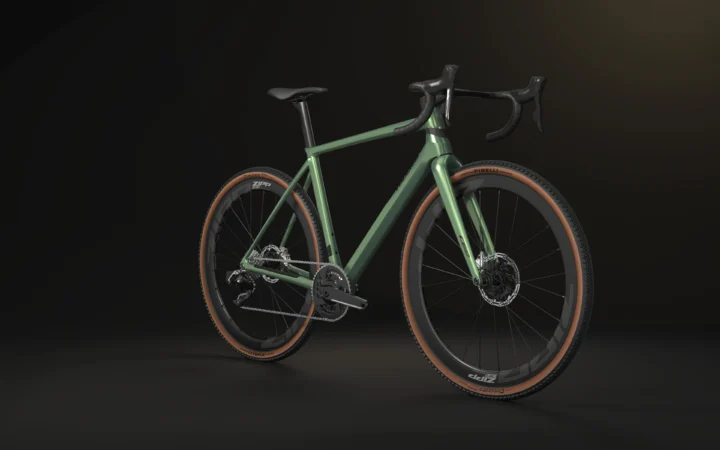
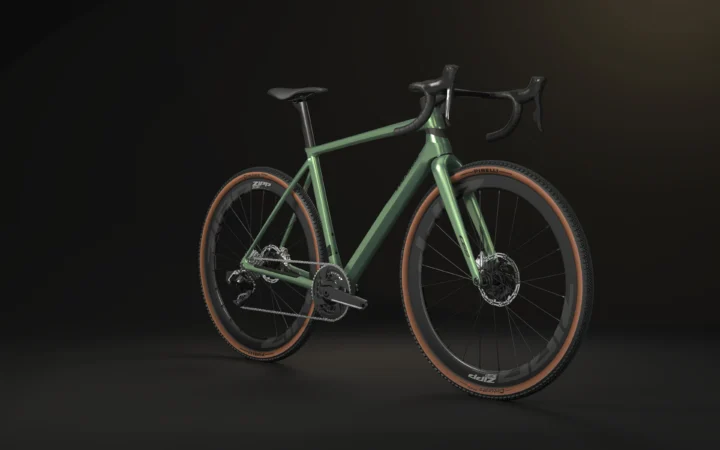
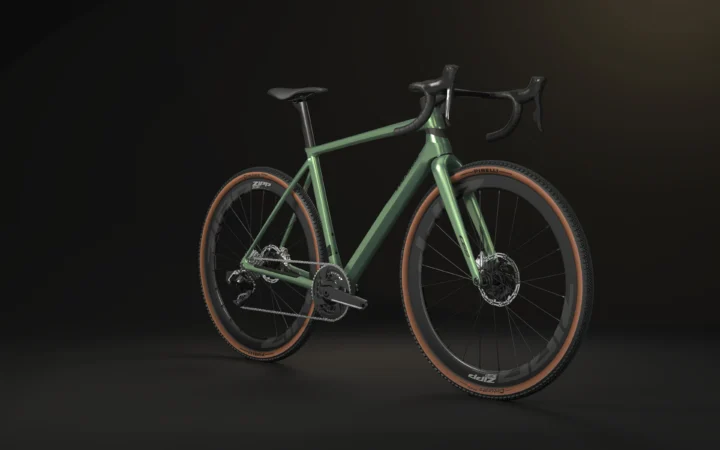
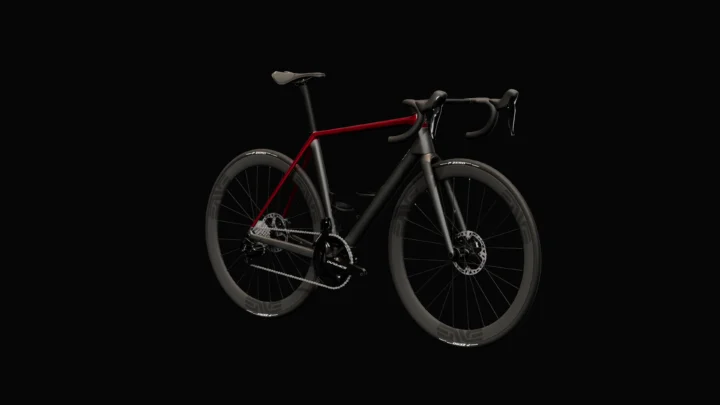
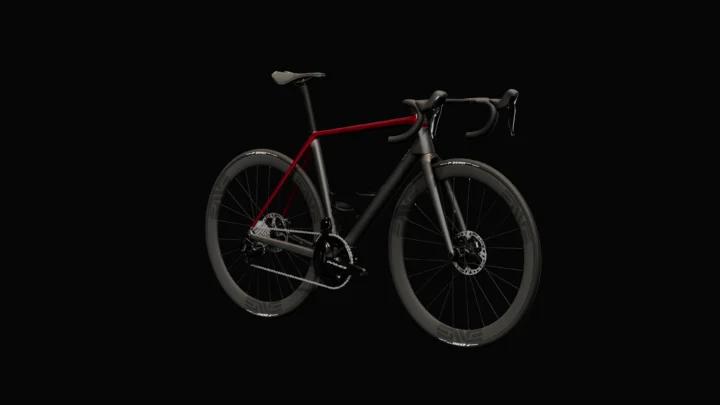
2026 Colnago G4-X Shimano GRX 717 Di2 1x
Cyclocross/Gravel bicycle from the Velopedia specification archive.
- Original MSRP
- $5,418.00
- Sizes
- 450, 480, 520, 540, 570
- Colors
- MTYL, PIGR, ICBL
- Geometry
- 5 manufacturer sizes · Ride analysis
- Archive ID
- 900000279
Current market
Snapshot not yet availableProtected live updateReady after page interactionAutomated crawlers do not trigger marketplace requests.
Move, scroll, tap or type to start the protected update.
Velopedia analysis
What the specifications mean
Electronic shifting removes the usual shift cable but adds a separate battery and controls, while the 510% cassette range describes how much gearing is available. The rims and tires are tubeless-ready, but that label does not confirm the bike is currently set up without tubes; tape, valves, sealant and tire condition still matter. Carbon construction changes the inspection emphasis from metal-style dents and corrosion to impact damage, ripples and overtightened clamp areas.
Drivetrain
Electronic · 510% range
Shift-system battery state joins derailleur setup and sprocket compatibility as a troubleshooting variable.
Tire setup
Tubeless-ready
The rims and tires may support tubeless use, but the bike may still be running tubes.
Frame material
Carbon / composite
Look for impact damage and clamp marks rather than metal-style dents or rust.
Bottom bracket
Threaded interface
Shell width, thread standard and crank-spindle interface still require confirmation.
Used-bike inspection
If you’re buying this bike used
Before any test ride: both brakes should stop the bike firmly and release cleanly; both wheels should run true and be securely attached; tires should have no casing damage; and the headset, handlebar, stem, cranks and pedals should have no looseness or play.
Follow the full used-bike inspection order →- FrameInspect the frame in bright light, especially around the head tube, bottom bracket, chainstays and clamped areas. Look for cracks, ripples, crushed sections or signs of a previous impact.Inspect the frame and fork →
- BrakesTest each brake separately and confirm it stops firmly and releases cleanly. Inspect the pads and braking surfaces for wear or contamination, and check the cables or hoses for damage.Inspect the brakes →
- DrivetrainConfirm every shift-system battery charges, every shift control works and the derailleur moves cleanly across the cassette. Make sure the matching shift-system charger is included, then measure chain wear and inspect the cassette teeth.Check drivetrain wear →
- Wheels & tiresSpin both wheels and watch the rims for side-to-side or vertical movement. Check for dents, cracks, loose or uneven spokes and hub play, then inspect both tire casings for cuts, cracking or exposed threads. If it is set up tubeless, confirm both tires hold pressure and ask when the sealant was last refreshed.Check wheels and tires →
- Bottom bracketTurn the cranks slowly, feel for rough bearings and check for side-to-side play. Creaking under load deserves investigation but does not identify the source by itself.Inspect the bottom bracket and shell →
Bike-specific inspection checklist 20 checks based on 5 archived component groups Open checklistClose checklist
This checklist uses the archived equipment for this bike. It cannot confirm the condition, service history or later component changes of the example in front of you.
Identity and fit
Follow the full used-bike inspection order →Archived: 2026 Colnago G4-X Shimano GRX 717 Di2 1x · Cyclocross/Gravel · Published sizes: 450, 480, 520, 540, 570
Frame and fork
Inspect the frame and fork →Archived: Frame: Monocoque carbon. · Fork: Carbon fork for disc brakes, external cables, section with round circumference · Carbon fiber
Drivetrain
Check drivetrain wear →Archived: Group: Shimano GRX 717 Di2 1x · Shifters: Shimano ST-RX717 · Front derailleur: (This groupset has a single chainring) · Rear derailleur: Shimano GRX 1x: Shimano RD-RX717 - Di2 · Crankset: Shimano GRX 1x: 42T · Bottom bracket: ACROS T47 · Cassette: Shimano GRX 1x: 10-51 12v · Chain: Shimano GRX: Shimano CN-M8100 12V
Brakes
Inspect the brakes →Archived: Brakes: Shimano RX-717, 160 mm Front / 160 mm Rear, RT-MT800-S rotors
Wheels and tires
Check wheels and tires →Archived: Wheels: Fulcrum Lite GR (for clincher and tubeless ready) · Rims: Material: Rims: aluminium, Spokes: stainless steel.; Rim Height: Front: 24 mm; Rear: 24 mm; Internal Channel Width: 23 mm · Hubs: Aluminium, Sealed Cartridge Bearings · Front tire: Pirelli Cinturato Gravel 40 TLR · Rear tire: Pirelli Cinturato Gravel 40 TLR
Controls and contact points
Archived: Handlebar: Deda Gravel 100Sizes 46sWidth: 400 mmSizes 49s - 55sWidth: 420 mmSizes 58sWidth: 440 mm · Stem: DEDA GravelSize 450 - 480Length: 90 mmSizes 520- 570Length: 100 mm · Seatpost: Carbon seatpost, 0.15 offset, "D-Shape" section · Saddle: NOVUS BOOST EVO Superflow FeC"Selle Italia" Model X BB FEC
Before and during the test ride
Follow the full used-bike inspection order →Interpretation based on the archived manufacturer specifications. Confirm exact fit and standards before ordering parts or performing service.
Have you owned this bike?Help preserve its real-world history by sharing your owner experience.
Share the details that would help another rider understand how this model fits, rides and holds up over time. Velopedia reviews every contribution before publication.
Already contributed? Send me a fresh private edit link
For privacy, Velopedia shows the same confirmation whether or not an experience exists.
Frameset
| Frame Construction | Monocoque carbon. |
|---|---|
| Frame Material | Carbon fiber |
| Fork | Carbon fork for disc brakes, external cables, section with round circumference |
| Fork Material | Carbon fiber |
Drivetrain
| Component Group | Shimano GRX 717 Di2 1x |
|---|---|
| Shifters | Shimano ST-RX717 |
| Front Derailleur | (This groupset has a single chainring) |
| Rear Derailleur | Shimano GRX 1x: Shimano RD-RX717 - Di2 |
| Crankset | Shimano GRX 1x: 42T |
| Bottom Bracket | ACROS T47 |
| Cassette | Shimano GRX 1x: 10-51 12v |
| Chain | Shimano GRX: Shimano CN-M8100 12V |
Brakes
| Brakes | Shimano RX-717, 160 mm Front / 160 mm Rear, RT-MT800-S rotors |
|---|
Cockpit & Contact Points
| Handlebar | Deda Gravel 100Sizes 46sWidth: 400 mmSizes 49s - 55sWidth: 420 mmSizes 58sWidth: 440 mm |
|---|---|
| Stem | DEDA GravelSize 450 - 480Length: 90 mmSizes 520- 570Length: 100 mm |
| Saddle | NOVUS BOOST EVO Superflow FeC"Selle Italia" Model X BB FEC |
| Seatpost | Carbon seatpost, 0.15 offset, "D-Shape" section |
Wheels & Tires
| Hubs | Aluminium, Sealed Cartridge Bearings |
|---|---|
| Wheels | Fulcrum Lite GR (for clincher and tubeless ready) |
| Rims | Material: Rims: aluminium, Spokes: stainless steel.; Rim Height: Front: 24 mm; Rear: 24 mm; Internal Channel Width: 23 mm |
| Front Tire | Pirelli Cinturato Gravel 40 TLR |
| Rear Tire | Pirelli Cinturato Gravel 40 TLR |
Size-specific frame data
Geometry
Manufacturer-published geometry normalized for consistent archival comparison. Effective top tube and reach remain separate measurements because they describe different aspects of fit.
| Measurement | 450 | 480 | 520 | 540 | 570 |
|---|---|---|---|---|---|
| Effective top tube | 524 mm | 539 mm | 560 mm | 581 mm | 596 mm |
| Head-tube angle | 71° | 71.5° | 71.5° | 71.5° | 71.5° |
| Seat-tube angle | 74° | 74° | 73.5° | 73° | 73° |
| Chainstay / rear center | 430 mm | 430 mm | 430 mm | 430 mm | 430 mm |
| Bottom-bracket drop | 72 mm | 72 mm | 70 mm | 70 mm | 70 mm |
| Reach | 371 mm | 380 mm | 390 mm | 400 mm | 410 mm |
| Stack | 535 mm | 554 mm | 573 mm | 591 mm | 600 mm |
| Front center | 585 mm | 596 mm | 613 mm | 628 mm | 644 mm |
| Fork length / axle-to-crown | 406 mm | 406 mm | 406 mm | 406 mm | 406 mm |
| Crank length | 170 mm | — | — | — | — |
| Stem length | 90 mm | 90 mm | 100 mm | 110 mm | 110 mm |
| Handlebar width | 400 mm | 400 mm | 420 mm | 420 mm | 420 mm |
Geometry source: Colnago first-party labeled geometry panels ↗ Measurements can vary by configuration, wheel size, or flip-chip position where noted by the manufacturer.
Geometry interpretation
What this geometry means
450 geometry
Riding position
A 371 mm reach and 535 mm stack give this size a middle-ground gravel proportion: neither especially stretched and low nor unusually upright.
Handling tendencies
The 71° head angle points to moderate and balanced steering geometry. Head angle is only one part of steering feel; fork offset, trail, wheel size and cockpit setup also matter. A 72 mm bottom-bracket drop places the rider relatively low between the wheels, which can add a settled cornering feel while reducing pedal clearance compared with a higher bottom bracket.
Archive context
The head angle of 71° sits toward the steeper end. Its stack of 535 mm sits somewhat lower than typical. The seat angle of 74° sits somewhat more relaxed than typical.
480 geometry
Riding position
A 380 mm reach and 554 mm stack give this size a middle-ground gravel proportion: neither especially stretched and low nor unusually upright.
Handling tendencies
The 71.5° head angle points to moderate and balanced steering geometry. Head angle is only one part of steering feel; fork offset, trail, wheel size and cockpit setup also matter. A 72 mm bottom-bracket drop places the rider relatively low between the wheels, which can add a settled cornering feel while reducing pedal clearance compared with a higher bottom bracket.
Archive context
The head angle of 71.5° sits toward the steeper end. The seat angle of 74° sits somewhat more relaxed than typical. Its bottom-bracket drop of 72 mm sits somewhat shallower than typical.
520 geometry
Riding position
A 390 mm reach and 573 mm stack give this size a middle-ground gravel proportion: neither especially stretched and low nor unusually upright.
Handling tendencies
The 71.5° head angle points to moderate and balanced steering geometry. Head angle is only one part of steering feel; fork offset, trail, wheel size and cockpit setup also matter. A 70 mm bottom-bracket drop places the rider relatively low between the wheels, which can add a settled cornering feel while reducing pedal clearance compared with a higher bottom bracket.
Archive context
Its bottom-bracket drop of 70 mm sits toward the shallower-drop end. The head angle of 71.5° sits somewhat steeper than typical. The seat angle of 73.5° sits somewhat more relaxed than typical.
540 geometry
Riding position
A 400 mm reach and 591 mm stack give this size a middle-ground gravel proportion: neither especially stretched and low nor unusually upright.
Handling tendencies
The 71.5° head angle points to moderate and balanced steering geometry. Head angle is only one part of steering feel; fork offset, trail, wheel size and cockpit setup also matter. A 70 mm bottom-bracket drop places the rider relatively low between the wheels, which can add a settled cornering feel while reducing pedal clearance compared with a higher bottom bracket.
Archive context
Its stack of 591 mm sits somewhat lower than typical. The head angle of 71.5° sits somewhat steeper than typical. The seat angle of 73° sits somewhat more relaxed than typical.
570 geometry
Riding position
A 410 mm reach and 600 mm stack give this size a middle-ground gravel proportion: neither especially stretched and low nor unusually upright.
Handling tendencies
The 71.5° head angle points to moderate and balanced steering geometry. Head angle is only one part of steering feel; fork offset, trail, wheel size and cockpit setup also matter. A 70 mm bottom-bracket drop places the rider relatively low between the wheels, which can add a settled cornering feel while reducing pedal clearance compared with a higher bottom bracket.
Archive context
Its stack of 600 mm sits toward the lower end. Its bottom-bracket drop of 70 mm sits somewhat shallower than typical. The head angle of 71.5° sits somewhat steeper than typical.
Across the size range
From 450 to 570, reach grows by 39 mm and stack by 65 mm, showing how the frame becomes both longer and taller through the published size range. The rear center stays essentially constant at about 430 mm across sizes, so most of the wheelbase growth happens in the front half of the bike rather than by lengthening the rear triangle.
Geometry describes frame proportions and likely tendencies, not a ride test. Rider proportions, cockpit setup, tires, suspension settings, wheel configuration, and component choices can materially change how a bicycle fits and feels.
Gallery
Specifications are presented as a reference. Components may vary by market, size, production run, or later manufacturer revisions.