2027
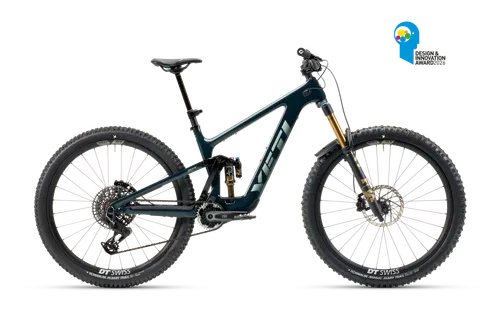
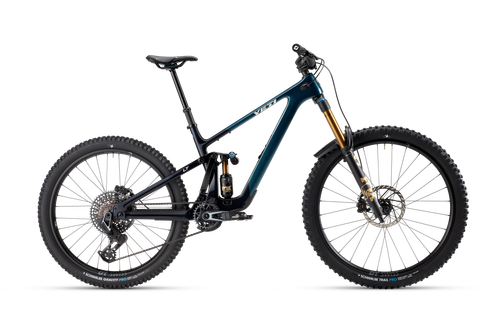
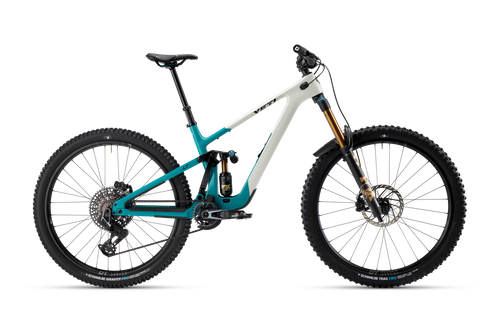
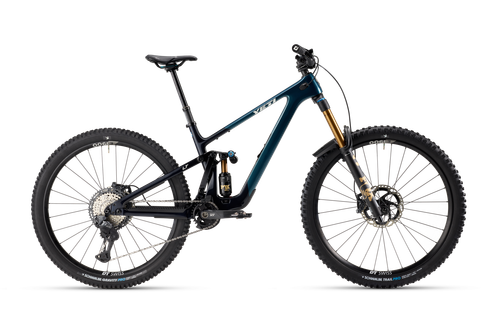
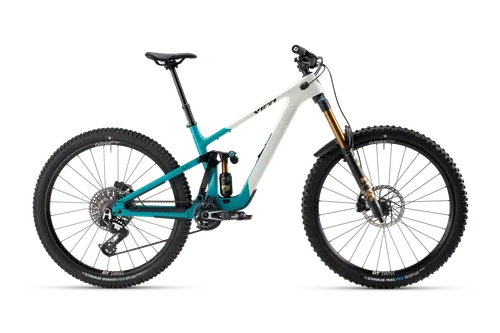
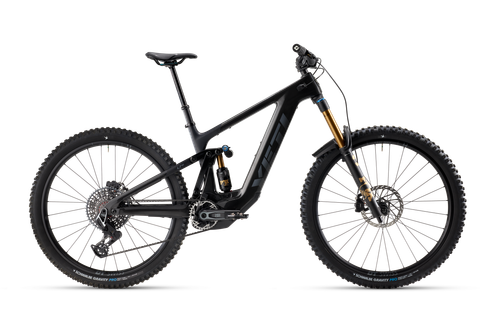
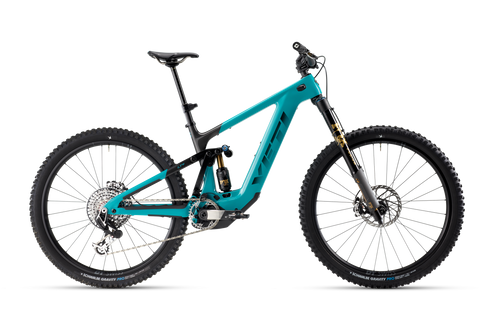
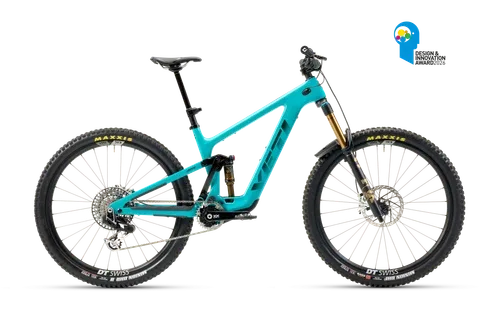
MTE T4 XX AXS Transmission
Original MSRP $14,300.00
Velopedia Brand Reference
Founded in 1985, Yeti Cycles has become synonymous with performance-driven mountain biking.
Velopedia Bicycle Archive
Model years 1998–2027
Company overview
Yeti Cycles is a mountain-bike company focused on carbon hardtails, full-suspension trail and race bikes, and electric mountain bikes. It does not attempt to cover road, gravel, commuting, or entry-level recreational cycling. The range is built around cross-country, technical trail riding, enduro, freeride, and gravity-oriented use.
Yeti sits firmly in the premium end of the market. Even its less expensive complete builds use carbon frames and recognizable component groups, while TURQ-series models and framesets occupy the upper tier. Riders generally consider Yeti for its distinctive suspension layouts, aggressive geometry, detailed frame construction, and unusually broad spread of mountain-bike travel options.
That specialization is also the primary limitation. These are expensive, technically involved bikes, and several models occupy closely neighboring categories. Selecting the correct platform matters more than simply buying the model with the most suspension.
Yeti’s current catalog is exclusively mountain-bike oriented and includes both pedal-assist and non-assisted models.
Complete bikes are offered in several component configurations, while selected models are also sold as framesets.
Yeti does not use one suspension design throughout its range. The ASR uses a lightweight flex-stay arrangement suited to modern cross-country racing, while the ARC eliminates rear suspension entirely.
Most SB models use Switch Infinity. Instead of relying only on fixed frame pivots, the system includes a translating pivot that moves on two short rails and changes direction as the suspension compresses. This gives Yeti considerable control over pedaling and suspension behavior, but it also adds a proprietary mechanism that requires periodic lubrication.
The newer LT and electric models use Sixfinity, a six-bar layout with adjustable leverage progression on certain frames. On the LT, flip chips allow riders to select different progression settings and configure the bike with dual 29-inch wheels or a mixed-wheel arrangement while preserving the intended geometry.
This tunability is useful for riders who understand suspension setup. It is less valuable to someone who wants a straightforward bike that can be serviced entirely with common frame hardware. More links, adjustment points, and proprietary pieces create additional items to inspect and understand.
Yeti model numbers generally indicate rear travel, not the complete suspension package. The SB120, for example, pairs 120mm of rear travel with a longer fork. Compare fork travel, wheel size, geometry, and intended use instead of judging the bikes solely by their names.
C/Series and TURQ builds deserve a close comparison. TURQ frames use Yeti’s lighter, higher-tier carbon construction and are paired with more expensive components. C/Series bikes reduce the purchase price but are generally heavier. On the trail, appropriate suspension, wheels, brakes, and tires may matter more than the frame-tier label.
Sizing should be based on the geometry chart and riding position, not only rider height. Yeti varies dimensions such as rear-center length and seat-tube angle by frame size on selected models. Riders between sizes should pay particular attention to reach, stack, dropper-post insertion, and the balance they want between agility and stability.
Switch Infinity is not maintenance-free. Its seals and bushings require lubrication through the external grease ports, and Yeti specifically cautions against over-lubricating it. Sixfinity uses sealed bearings, but Yeti recommends regular checks for loose hardware. Suspension units, bearings, and electric drive systems add their own service schedules.
The MTe and LTe should not be treated as interchangeable electric versions of the same bike. They use different motor and battery ecosystems, with different power, weight, range, charging, and service implications. Confirm local support for the relevant drive system before purchasing.
Yeti is best suited to an experienced mountain biker who knows what terrain and handling character they want and is comfortable paying for a specialized carbon platform. A rider seeking an aluminum option, uncomplicated suspension hardware, or maximum component value for the money will probably find stronger alternatives elsewhere.
Historical specifications