 Image not available
2015
Venturi Frameset
Original MSRP $1,099.00
Velopedia Brand Reference
Breezer is a bicycle brand with roots in early mountain biking and a current range built largely around chromoly-steel frames. Its catalog covers gravel riding, off-road touring, mountain biking, casual recreation, and practical urban transportation rather than concentrating on racing.

Velopedia Bicycle Archive
Model years 1993–2015
Company overview
Breezer is a bicycle brand with roots in early mountain biking and a current range built largely around chromoly-steel frames. Its catalog covers gravel riding, off-road touring, mountain biking, casual recreation, and practical urban transportation rather than concentrating on racing.
The models are more distinct than their shared frame material initially suggests. Radar bikes sit between drop-bar adventure bikes and rigid mountain bikes, while the Inversion range is better suited to pavement, gravel roads, and lighter touring. Thunder is a conventional trail hardtail, Downtown provides an equipped city-bike package, and Repack is a deliberately simple single-speed cruiser.
Breezer is worth considering when mounting provisions, wide tires, low gearing, and everyday versatility matter more than achieving the lowest possible weight. The tradeoff is that several models are heavier and less competition-oriented than comparable aluminum or carbon bikes.
Breezer’s current bicycle range includes:
Breezer does not use steel only to produce traditional-looking bicycles. Its more specialized frames combine chromoly construction with current component standards and unusually generous provisions for carrying equipment.
The Radar illustrates this approach most clearly. Its frame accommodates 29-inch tires up to a published 2.4 inches and uses Boost thru-axle spacing, a tapered head tube, and a replaceable universal derailleur hanger. Mounts are provided for bottles, cargo cages, a top-tube bag, fenders, and a rear rack. The flat-bar Radar Sport uses a mountain-bike drivetrain, while the Pro and Team add drop bars and wide-range Shimano GRX builds. This makes Radar more capable on rough tracks than a typical gravel bike, although its rigid fork and steel construction will not replace a suspended mountain bike on technical trails.
Inversion uses a narrower all-road brief. It retains a steel frame, numerous mounts, and clearance for tires up to 700 x 50, but its geometry and component choices favor mixed pavement and gravel. The Expert receives a carbon fork and hydraulic GRX brakes, while the less expensive Comp uses a steel fork and mechanical disc brakes. The Cafe places a flat handlebar and hydraulic brakes on the same basic platform.
Thunder is the choice for actual singletrack, pairing a steel frame with a 130mm suspension fork, hydraulic brakes, a dropper post, and a wide-range drivetrain. At the other end of the range, Downtown uses traditional rim brakes and an eight-speed drivetrain to keep an already equipped transportation bike relatively straightforward.
Choose the platform before comparing component levels. Radar is the better starting point for rough bikepacking routes and very wide tires; Inversion makes more sense for faster mixed-surface riding. Thunder is substantially more suitable for trail use, while Downtown and Repack are intended primarily for transportation and casual riding.
Check fit by geometry rather than relying only on rider-height ranges. Radar and Inversion are offered with both flat- and drop-bar configurations, and changing between them later can require different controls, brake parts, and drivetrain components.
Published maximum tire clearance may decrease when fenders are installed or when mud clearance is required. Mounting bosses also do not establish how much weight a frame or fork can safely carry, so cargo limits and rack compatibility should be confirmed before building a loaded touring setup.
Breezer has produced many earlier Radar, Inversion, Doppler, Thunder, and transportation models using different axle standards, wheel sizes, and brake systems. Identify the exact model year before ordering replacement wheels, forks, derailleur hangers, or thru-axles. New bikes also arrive partially assembled, making professional assembly and a post-build safety check sensible even when home delivery is available.
Breezer is most likely to appeal to riders who want a practical steel bike with room for wider tires and equipment. Weight-conscious racers, riders seeking extensive suspension choices, or buyers who prefer a large selection of carbon frames may find a more focused alternative elsewhere.
Historical specifications
Image not available
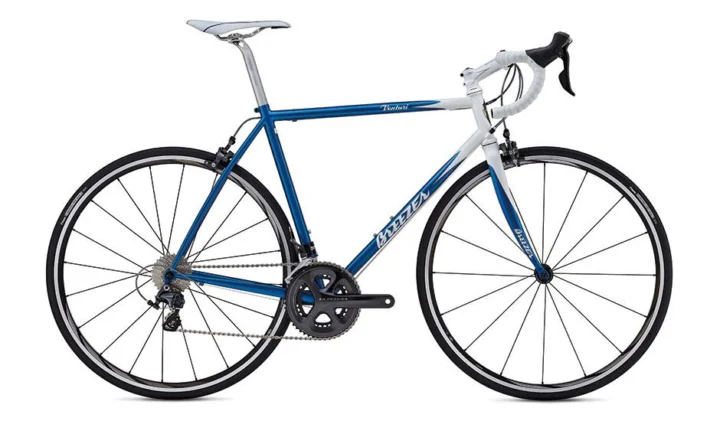 Image not available
 Image not available
 Image not available