Velopedia Bicycle Archive
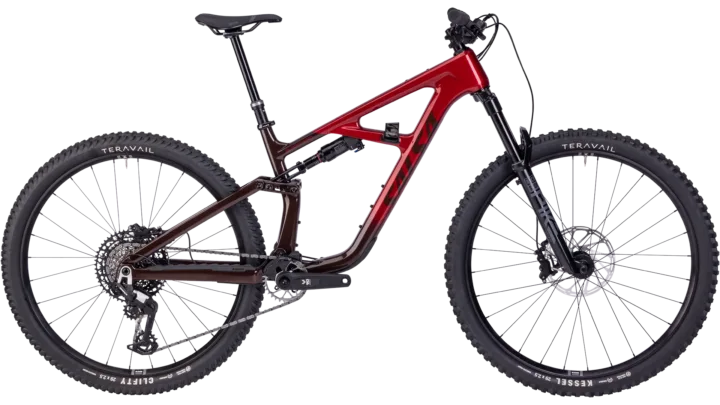
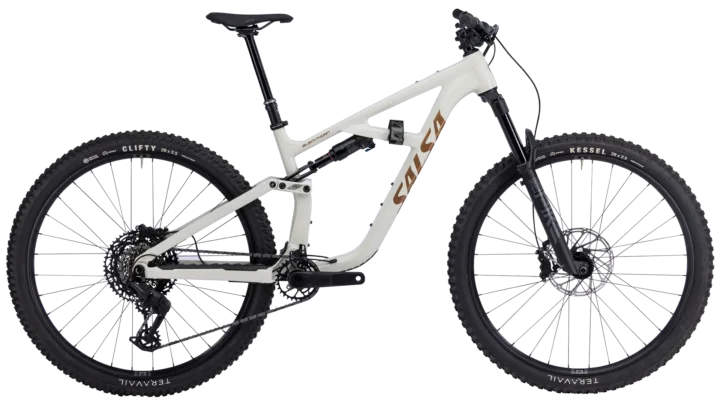
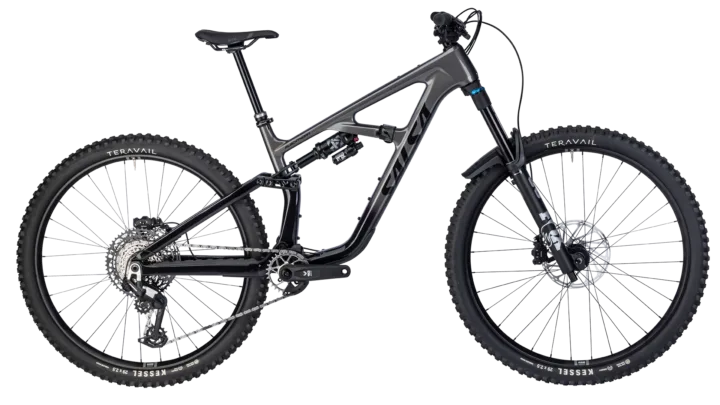
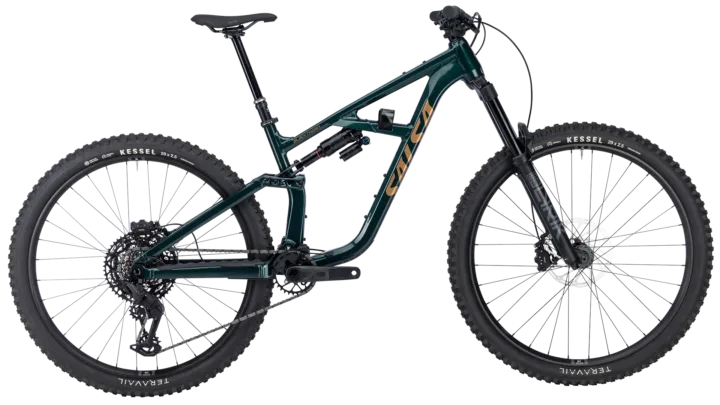
2026 Salsa Timberjack Deore 12 29
Mountain bicycle from the Velopedia specification archive.
Selling this bike? Create a Bike History Report
- Original MSRP
- $1,799.00
- Sizes
- XS, S, M, L, XL
- Colors
- Storm Blue
- Weight
- 32 lb. 6 oz (Medium)
- Geometry
- 5 manufacturer sizes · Ride analysis
- Archive ID
- 900000388
Current market
Snapshot not yet availableMove, scroll, tap or type to start the protected update.
Velopedia analysis
What the specifications mean
The fork provides the documented suspension, so fork setup and rear-tire pressure are the main adjustments for balancing the two ends of the bike. Both 27.5- and 29-inch wheels appear in the record, but it does not establish a mixed front/rear build; confirm the correct diameter for the selected frame size. On the alloy frame, dents and hairline cracks around welds matter more than cosmetic scratches. Pay closest attention near the head tube, bottom bracket shell, dropouts and other heavily loaded junctions.
Used-bike inspection
If you’re buying this bike used
Before any test ride: both brakes should stop the bike firmly and release cleanly; both wheels should run true and be securely attached; tires should have no casing damage; and the headset, handlebar, stem, cranks and pedals should have no looseness or play.
Follow the full used-bike inspection order →- FrameLook closely for dents and hairline cracks around welds, the head tube and bottom-bracket area. Cosmetic scratches matter less than a change in shape or a crack line.Inspect the frame and fork →
- BrakesTest each brake separately and confirm it stops firmly and releases cleanly. Inspect the pads and braking surfaces for wear or contamination, and check the cables or hoses for damage.Inspect the brakes →
- SuspensionAsk when the fork was last serviced. Check the stanchions for damage, look for oil at the seals and make sure the fork moves smoothly without bushing play.Evaluate the suspension →
- DrivetrainShift through the full range under light load, measure chain wear and inspect the cassette or freewheel teeth. Skipping or hesitation can indicate wear, poor adjustment or mismatched parts.Check drivetrain wear →
- Wheels & tiresSpin both wheels and watch the rims for side-to-side or vertical movement. Check for dents, cracks, loose or uneven spokes and hub play, then inspect both tire casings for cuts, cracking or exposed threads.Check wheels and tires →
Bike-specific inspection checklist 20 checks based on 6 archived component groups Open checklistClose checklist
This checklist uses the archived equipment for this bike. It cannot confirm the condition, service history or later component changes of the example in front of you.
Identity and fit
Follow the full used-bike inspection order →Archived: 2026 Salsa Timberjack Deore 12 29 · Mountain · Published sizes: XS, S, M, L, XL
Frame and fork
Inspect the frame and fork →Archived: Frame: Timberjack 2.0 Aluminum · Fork: RockShox Recon Silver RL, 140mm
Suspension
Evaluate the suspension →Archived: Fork: RockShox Recon Silver RL, 140mm
Drivetrain
Check drivetrain wear →Archived: Shifters: Shimano Deore 12 · Rear derailleur: Shimano Deore 12 · Crankset: Shimano MT510 · Bottom bracket: Shimano SM-BB52, 73mm BSA · Cassette: Shimano Deore 12 · Chain: Shimano
Brakes
Inspect the brakes →Archived: Brakes: Brake Calipers: Shimano MT420, 4-piston; Brake Levers: Shimano M4100; Rotors: Shimano RT10 (Center Lock, 180mm front and rear)
Wheels and tires
Check wheels and tires →Archived: Wheel size: 29"; 27.5" · Rims: WTB ST i30, 32h, 29" (taped, TCS sealant and valves included) · Hubs: (F) Shimano TC500, 15 x 110mm / (R) Shimano TC500 12 x 148mm · Front tire: Teravail Clifty 29 x 2.5", Durable casing, Grip Plus compound · Rear tire: Teravail Clifty 29 x 2.5", Durable casing, Grip Plus compound
Controls and contact points
Archived: Headset: FSA Orbit · Handlebar: TranzX alloy, 35.0 · Stem: Salsa Guide Trail 35.0 · Seatpost: TranzX YSI34 dropper, Shimano MT-500 I-Spec-EV lever · Saddle: WTB Solano, Steel Fusion Hybrid, medium
Before and during the test ride
Follow the full used-bike inspection order →Interpretation based on the archived manufacturer specifications. Confirm exact fit and standards before ordering parts or performing service.
Have you owned this bike?Help preserve its real-world history by sharing your owner experience.
Share the details that would help another rider understand how this model fits, rides and holds up over time. Velopedia reviews every contribution before publication.
Already contributed? Send me a fresh private edit link
For privacy, Velopedia shows the same confirmation whether or not an experience exists.
Frameset
| Frame Construction | Timberjack 2.0 Aluminum |
|---|---|
| Frame Material | Aluminum |
| Fork | RockShox Recon Silver RL, 140mm |
Drivetrain
| Shifters | Shimano Deore 12 |
|---|---|
| Front Derailleur | N/A |
| Rear Derailleur | Shimano Deore 12 |
| Crankset | Shimano MT510 |
| Bottom Bracket | Shimano SM-BB52, 73mm BSA |
| Cassette | Shimano Deore 12 |
| Chain | Shimano |
Brakes
| Brakes | Brake Calipers: Shimano MT420, 4-piston; Brake Levers: Shimano M4100; Rotors: Shimano RT10 (Center Lock, 180mm front and rear) |
|---|
Cockpit & Contact Points
| Headset | FSA Orbit |
|---|---|
| Handlebar | TranzX alloy, 35.0 |
| Stem | Salsa Guide Trail 35.0 |
| Saddle | WTB Solano, Steel Fusion Hybrid, medium |
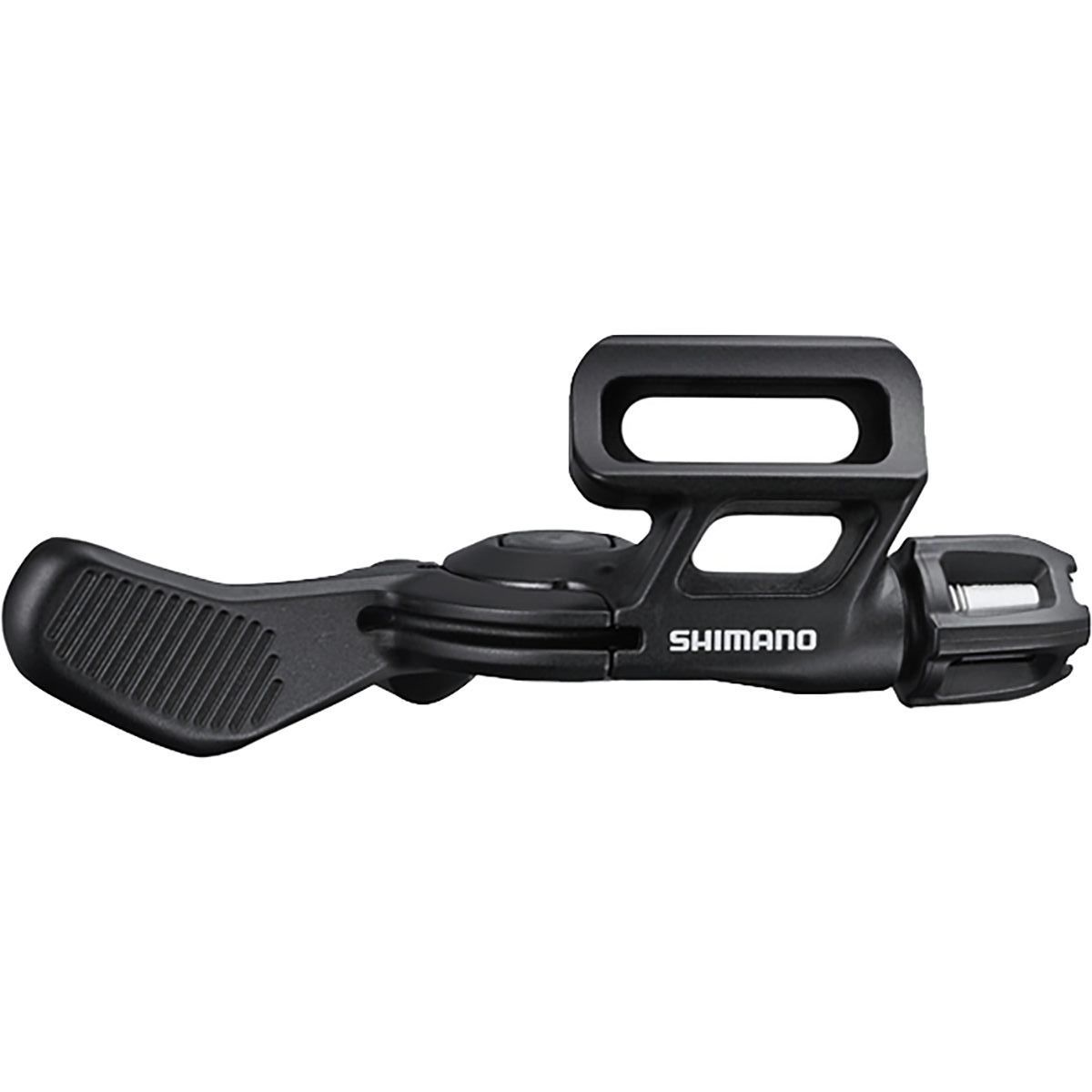
| Seatpost | TranzX YSI34 dropper, Shimano MT-500 I-Spec-EV lever |
Wheels & Tires
| Hubs | (F) Shimano TC500, 15 x 110mm / (R) Shimano TC500 12 x 148mm |
|---|---|
| Rims | WTB ST i30, 32h, 29" (taped, TCS sealant and valves included) |
| Spokes | 14-gauge, black |
| Front Tire | Teravail Clifty 29 x 2.5", Durable casing, Grip Plus compound |
| Rear Tire | Teravail Clifty 29 x 2.5", Durable casing, Grip Plus compound |
| Wheel Size | 29"; 27.5" |
Size-specific frame data
Geometry
Manufacturer-published geometry normalized for consistent archival comparison. Effective top tube and reach remain separate measurements because they describe different aspects of fit.
| Measurement | X-Small | Small | Medium | Large | X-Large |
|---|---|---|---|---|---|
| Seat tube | 342.9 mm | 370 mm | 395 mm | 432 mm | 457.2 mm |
| Effective top tube | 570 mm | 594.1 mm | 615.3 mm | 639 mm | 659.3 mm |
| Head tube | 100 mm | 100 mm | 105 mm | 115 mm | 125 mm |
| Head-tube angle | 66.4° | 66.4° | 66.4° | 66.4° | 66.4° |
| Seat-tube angle | 75.1° | 75.1° | 75.1° | 75.1° | 75.1° |
| Chainstay / rear center | 437 mm | 437 mm | 437 mm | 437 mm | 437 mm |
| Wheelbase | 1137 mm | 1159.5 mm | 1181.5 mm | 1197.5 mm | 1228.7 mm |
| Bottom-bracket drop | 56.6 mm | 56.6 mm | 56.6 mm | 56.6 mm | 56.6 mm |
| Reach | 410.7 mm | 433.6 mm | 453.6 mm | 475.5 mm | 492.6 mm |
| Stack | 599 mm | 599 mm | 607.4 mm | 613.5 mm | 625.5 mm |
| Standover height | 702.9 mm | 722.6 mm | 742.1 mm | 772.1 mm | 792.9 mm |
| Fork offset / rake | 44 mm | 44 mm | 44 mm | 44 mm | 44 mm |
| Fork length / axle-to-crown | 543 mm | 543 mm | 543 mm | 543 mm | 543 mm |
| Crank length | 170 mm | 170 mm | 170 mm | 175 mm | 175 mm |
| Stem length | 50 mm | 50 mm | 50 mm | 50 mm | 50 mm |
| Handlebar width | 760 mm | 760 mm | 780 mm | 780 mm | 800 mm |
Geometry source: Manufacturer HTML geometry table ↗ Measurements can vary by configuration, wheel size, or flip-chip position where noted by the manufacturer.
Geometry interpretation
What this geometry means
X-Small geometry
Riding position
The 599 mm stack is tall relative to the 410.7 mm reach, pointing to a more upright front-end position rather than an especially long, low cockpit.
Handling tendencies
A 66.4° head angle combined with a 1137 mm wheelbase points to fairly neutral for modern mountain handling steering and chassis behavior. The longer the chassis and slacker the front end, the more the bike tends to favor composure over very quick direction changes.
Archive context
Its bottom-bracket drop of 56.6 mm sits toward the deeper-drop end. The chainstay of 437 mm sits toward the longer rear-center end. The head angle of 66.4° sits somewhat steeper than typical.
Small geometry
Riding position
A 433.6 mm reach paired with 599 mm of stack gives this size a moderate frame proportion: roomy enough when standing without pushing strongly toward either a very low or very upright front end.
Handling tendencies
A 66.4° head angle combined with a 1159.5 mm wheelbase points to fairly neutral for modern mountain handling steering and chassis behavior. The longer the chassis and slacker the front end, the more the bike tends to favor composure over very quick direction changes.
Archive context
Its bottom-bracket drop of 56.6 mm sits toward the deeper-drop end. The chainstay of 437 mm sits toward the longer rear-center end. The head angle of 66.4° sits somewhat steeper than typical.
Medium geometry
Riding position
A 453.6 mm reach paired with 607.4 mm of stack gives this size a moderate frame proportion: roomy enough when standing without pushing strongly toward either a very low or very upright front end.
Handling tendencies
A 66.4° head angle combined with a 1181.5 mm wheelbase points to fairly neutral for modern mountain handling steering and chassis behavior. The longer the chassis and slacker the front end, the more the bike tends to favor composure over very quick direction changes.
Archive context
Its bottom-bracket drop of 56.6 mm sits toward the deeper-drop end. The head angle of 66.4° sits somewhat steeper than typical. Its wheelbase of 1181.5 mm sits somewhat shorter than typical.
Large geometry
Riding position
With 475.5 mm of reach and 613.5 mm of stack, the frame has a relatively long, low proportion that should leave plenty of room when standing and put the front end toward the lower side of modern mountain-bike fit.
Handling tendencies
A 66.4° head angle combined with a 1197.5 mm wheelbase points to fairly neutral for modern mountain handling steering and chassis behavior. The longer the chassis and slacker the front end, the more the bike tends to favor composure over very quick direction changes.
Archive context
Its stack of 613.5 mm sits toward the lower end. Its bottom-bracket drop of 56.6 mm sits toward the deeper-drop end. Its wheelbase of 1197.5 mm sits toward the shorter end.
X-Large geometry
Riding position
With 492.6 mm of reach and 625.5 mm of stack, the frame has a relatively long, low proportion that should leave plenty of room when standing and put the front end toward the lower side of modern mountain-bike fit.
Handling tendencies
A 66.4° head angle combined with a 1228.7 mm wheelbase points to fairly neutral for modern mountain handling steering and chassis behavior. The longer the chassis and slacker the front end, the more the bike tends to favor composure over very quick direction changes.
Archive context
Its stack of 625.5 mm sits toward the lower end. Its wheelbase of 1228.7 mm sits toward the shorter end. Its bottom-bracket drop of 56.6 mm sits toward the deeper-drop end.
Across the size range
From X-Small to X-Large, reach grows by 81.9 mm and stack by 26.5 mm, showing how the frame becomes both longer and taller through the published size range. The rear center stays essentially constant at about 437 mm across sizes, so most of the wheelbase growth happens in the front half of the bike rather than by lengthening the rear triangle.
Geometry describes frame proportions and likely tendencies, not a ride test. Rider proportions, cockpit setup, tires, suspension settings, wheel configuration, and component choices can materially change how a bicycle fits and feels.
Gallery
Specifications are presented as a reference. Components may vary by market, size, production run, or later manufacturer revisions.